




Joma Blades vs. Traditional Carbide: Which One Wins?
JOMA blades and traditional carbide snowplow blades are complementary, not competing: JOMA blades win on noise reduction, vibration damping, and pavement preservation, while traditional carbide blades win on raw abrasion resistance and ice penetration.…
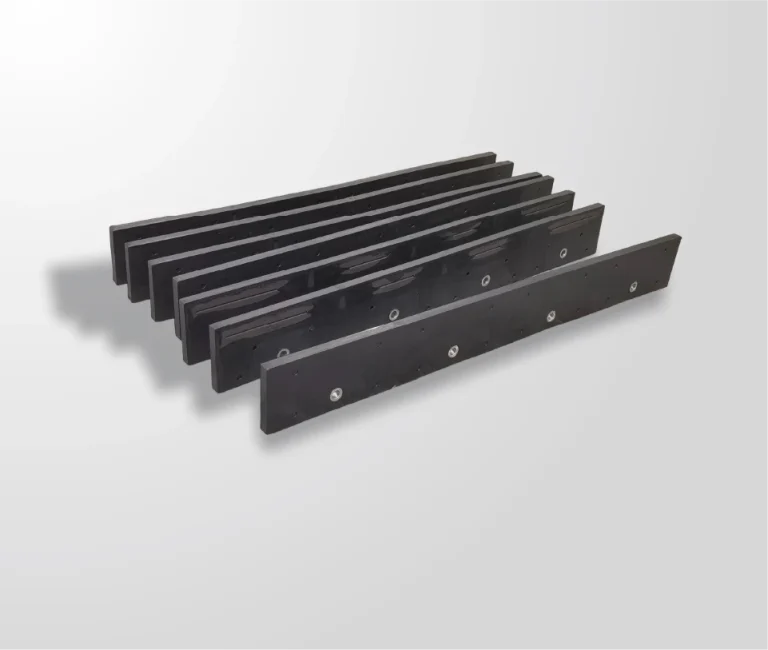
JOMA blades and traditional carbide snowplow blades are complementary, not competing: JOMA blades win on noise reduction, vibration damping, and pavement preservation, while traditional carbide blades win on raw abrasion resistance and ice penetration. JOMA-style blades reduce chatter by up to 70% and last 400–800 hours in mixed conditions; carbide blades excel on highways where straight-edge designs handle 150–250 hours of aggressive service.
(Last modified date: September 2, 2026)
Quick definition: JOMA blades feature flexible rubber-encased tungsten carbide inserts brazed into steel segments, creating a shock-absorbing structure that conforms to road contours.
Key Takeaways
- The core difference is rubber encapsulation versus exposed brazed carbide: flexible segments versus unyielding hardness.
- JOMA blades cut noise by up to 70% and prevent lane-marking damage on urban routes; carbide blades deliver superior penetration on hard ice.
- Carbide highway blades last 150–250 hours; JOMA blades extend to 400–800 hours in mixed conditions.
- Hybrid fleets that blend both types get the best durability/performance balance; see how JOMA blades meet nighttime noise ordinances.
Tech Difference in JOMA Blades and Carbide
JOMA blades feature flexible rubber-encased tungsten carbide inserts brazed into steel segments, creating a shock-absorbing structure that conforms to road contours. Traditional carbide blades use rigid steel-carbide inserts for unyielding hardness, prioritizing ice penetration over flexibility. This core distinction drives differences in vibration damping, noise levels, and pavement preservation: JOMA-style blades reduce chatter by up to 70% through segmented flexibility, while carbide designs excel in raw abrasion resistance against packed snow and ice. See also the science of automated brazing.
Competitor Comparison Matrix
| Metric | JOMA-style blades | Traditional carbide blades |
|---|---|---|
| Construction | Rubber-encased segmented carbide | Rigid steel-carbide inserts |
| Noise reduction | Up to 70% | Minimal |
| Typical life | 400–800 hours (mixed) | 150–250 hours (highway) |
| Ice penetration | Good | Superior |
| Pavement protection | High (sectional flex) | Lower on uneven surfaces |
See also the icy-road blade guide and trapezoidal vs rectangular insert shapes.
Cost of Ownership and ROI
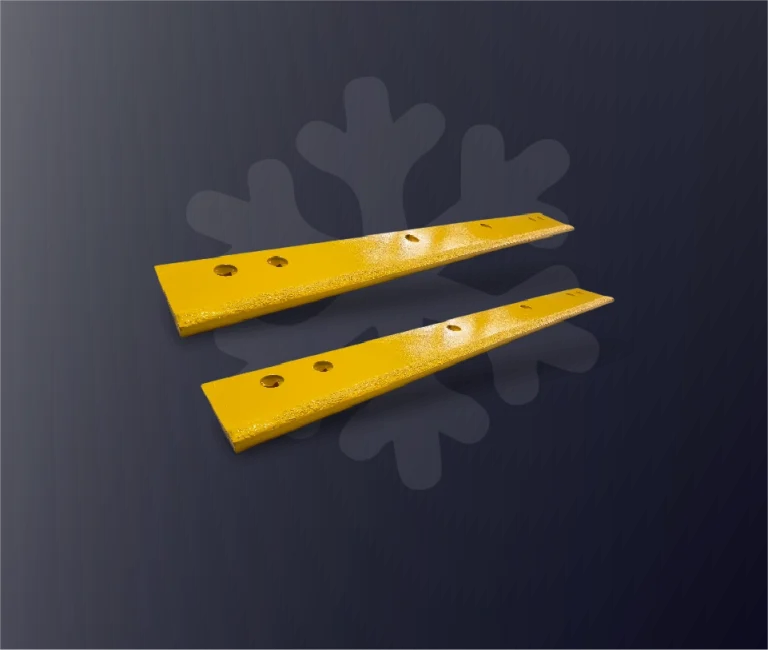
JOMA blades carry a higher upfront cost but extend service intervals and reduce road damage, lowering total cost per mile on urban and mixed routes. Traditional carbide blades deliver maximum abrasion life on highways. For fleets, the right answer is usually a blend: JOMA-style for noise-sensitive and uneven routes, traditional carbide for long abrasive runs. See also the JOMA field tool kit guide.
FAQs
What makes JOMA blades better for noise?
Rubber casing absorbs vibrations, cutting sound by 70% versus rigid carbide snowplow blades.
How long do carbide snowplow blades last on highways?
150–250 hours typically, extending with quality brazing like SENTHAI’s.
Are JOMA plow blades road-safe?
Yes. Sectional flex prevents gouging, making them ideal for marked pavements.
Which wins for hard ice — JOMA or carbide?
Traditional carbide snowplow blades win for superior penetration.
Related Articles
- How Do JOMA Blades Meet Nighttime Noise Ordinances?
- The Science of Automated Brazing in Heavy-Duty Wear Applications
- Plow Blades for Icy Roads: Complete Guide
- Trapezoidal vs Rectangular Carbide Insert Shapes
- What Tools Do You Need for a JOMA Blade Tool Kit?
Official Resources
- SENTHAI — JOMA-Style Blade
- SENTHAI — Carbide Snow Plow Blade
- SENTHAI — Contact for Route-Specific Selection
References
Related articles
 How to Select a Rear Snow Plow Blade for Professional Snow RemovalHot Products
 What John Deere Snow Plow Blade Sizes Fit 1-5 Series Tractors?Hot Products
 How to Set Back Blade Snow Plow Height on Gravel Roads?Hot Products
 How Does HRA Hardness in Tungsten Carbide Snow Plow Blades Handle High-Speed Impacts?Hot Products