




The Science of Automated Brazing in Heavy-Duty Wear Applications
Automated brazing of carbide inserts delivers unmatched consistency in heavy-duty wear applications: robotic systems control temperature profiles, filler distribution, and cooling rates so every tungsten carbide segment bonds perfectly to its steel carrier —…
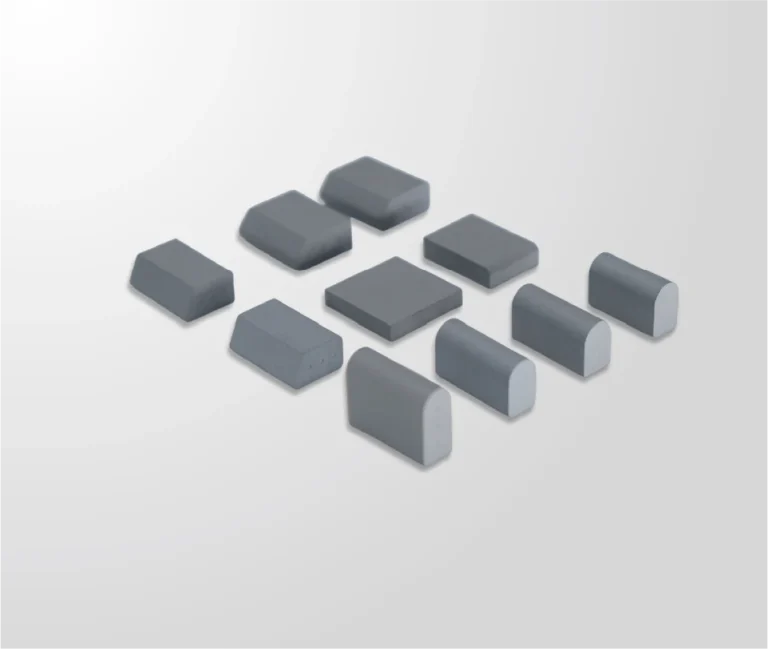
Automated brazing of carbide inserts delivers unmatched consistency in heavy-duty wear applications: robotic systems control temperature profiles, filler distribution, and cooling rates so every tungsten carbide segment bonds perfectly to its steel carrier — eliminating the variability that causes premature insert loss. JOMA-style and I.C.E. blades gain 10–20x the life of plain steel edges.
(Last modified date: September 2, 2026)
Quick definition: Closed-loop production monitors real-time data from thermocouples, pressure sensors, and spectrometers to adjust parameters instantly.
Key Takeaways
- Automated brazing creates metallurgical bonds with optimal joint thickness and radiused corners.
- Vision-guided robots align inserts within microns, cutting scrap by over 90%.
- Closed-loop production rejects out-of-spec segments in real time.
- Stable bonds prevent delamination at high speed over potholes and bridge joints.
Unmatched Consistency: Automated Brazing for Snow Plow Wear Applications
Automated brazing ensures every tungsten carbide segment bonds perfectly to steel carriers. Robotic systems control temperature profiles, filler distribution, and cooling rates to eliminate variability from manual methods. Operators benefit from blades that maintain sharp edges through thousands of hours of plowing, reducing insert loss under vibration and impact. Automated brazing creates metallurgical bonds with optimal joint thickness and radiused corners for load distribution, outperforming traditional welding by minimizing thermal stresses and preventing delamination. See SENTHAI carbide inserts.
Human Error vs Robotic Precision in Carbide Manufacturing
Manual brazing varies with operator skill, introducing defects like voids or cracks that cause insert pop-out under heavy vibration. Automated systems use vision-guided robots for precise insert alignment in milled grooves, ensuring gap control within microns. This robotic precision reduces scrap rates by over 90% while boosting bond strength. See the strategic value of Thailand-made carbide blades.
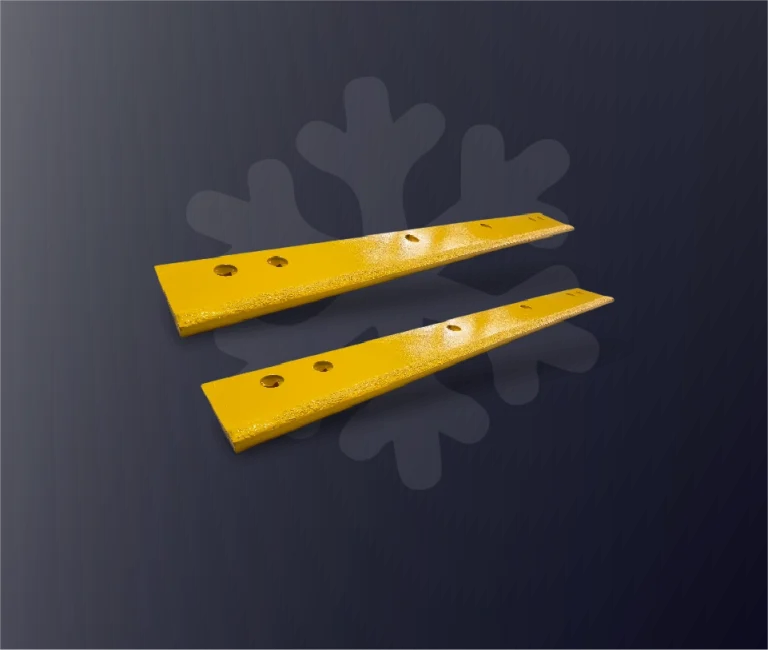
How Closed-Loop Production Ensures 100% Quality Control
Closed-loop production monitors real-time data from thermocouples, pressure sensors, and spectrometers to adjust parameters instantly. Any blade segment deviating from spec is rejected, guaranteeing every brazed insert meets wear-resistance standards. AI analytics predict drift before it creates defects, extending service intervals.
Reducing Downtime Through Stable Product Performance
Consistent bonds mean fewer field failures, fewer mid-storm swaps, and predictable wear. Fleets run longer between changeouts, cutting labor and downtime costs.
Top Brazed Carbide Insert Configurations for Plows
| Configuration | Best For |
|---|---|
| Conventional carbide edge | Abrasive highways |
| JOMA-style rubber-encased segments | Vibration-sensitive routes |
| I.C.E. isolated inserts | Impact-heavy roads |
Competitor Comparison: Automated vs Manual Brazing
| Aspect | Manual Brazing | Automated Brazing |
|---|---|---|
| Bond consistency | Operator-dependent | Repeatable |
| Scrap rate | High | Reduced 90%+ |
| Insert alignment | Variable | Micron-level |
| Field failures | Frequent | Rare |
Core Technology Behind Automated Brazing
Induction or furnace heating with precise temperature control, robotic filler application, inert atmosphere, and controlled cooling create uniform joints. The process parameters are logged per batch for full traceability. See upgrading John Deere blades for ice and asphalt.
Real User Cases: ROI from Brazed Carbide Blades
Fleets switching to automated-brazed carbide report fewer insert losses, longer intervals, and lower cost per mile on abrasive routes. Municipalities avoid mid-storm failures during critical clearing windows.
Future Trends in Carbide Insert Snow Plow Technology
Expect in-line NDT of braze joints, more AI-driven process control, and documented bond-strength data in procurement documents. See SENTHAI manufacturing standards.
FAQs
Why is automated brazing better than manual?
It repeats exact parameters every time, eliminating voids, cracks, and weak bonds that cause insert pop-out.
How much does automation reduce scrap?
Vision-guided robotic alignment cuts scrap rates by over 90% versus manual methods.
Does automated brazing affect blade life?
Yes — consistent bonds prevent delamination, extending JOMA-style and I.C.E. blade life 10–20x versus plain steel.
Can buyers verify braze quality?
Yes — request bond-strength test data, process logs, and batch traceability from the supplier.
Related Articles
- SENTHAI Carbide Inserts
- Thailand-Made Carbide Blades
- John Deere Blade Upgrade
- SENTHAI Manufacturing Standards
Official Resources
References
- SENTHAI automated brazing process documentation, 2026.
- Metallurgical standards for braze joint testing in wear parts.
Related articles
 How to Select a Rear Snow Plow Blade for Professional Snow RemovalHot Products
 What John Deere Snow Plow Blade Sizes Fit 1-5 Series Tractors?Hot Products
 How to Set Back Blade Snow Plow Height on Gravel Roads?Hot Products
 How Does HRA Hardness in Tungsten Carbide Snow Plow Blades Handle High-Speed Impacts?Hot Products