How Can Carbide Inserts Extend Snow Blade Service Life for Manufacturers and Suppliers?
Carbide inserts extend snow blade service life by providing a hard, wear-resistant surface that withstands gouging, abrasion, and impact from snow, ice, and road debris — typically multiplying edge life several times over steel…

Carbide inserts extend snow blade service life by providing a hard, wear-resistant surface that withstands gouging, abrasion, and impact from snow, ice, and road debris — typically multiplying edge life several times over steel and cutting changeout frequency for manufacturers, OEMs, and suppliers. Optimized grain size, bonding, and geometry are what make the difference.
(Last modified date: August 31, 2026)
Key Takeaways
- Insert hardness, fracture toughness, seating tolerance, and edge geometry determine snow blade service life.
- Carbide inserts raise upfront cost but lower total cost of ownership through reduced downtime and replacement frequency.
- Correct substrate prep, brazing, and seating are essential to prevent chipping and insert pop-out.
- SENTHAI supports OEMs with custom grades, OEM-friendly packaging, and batch traceability.
How Do Carbide Inserts Enhance Wear Resistance?
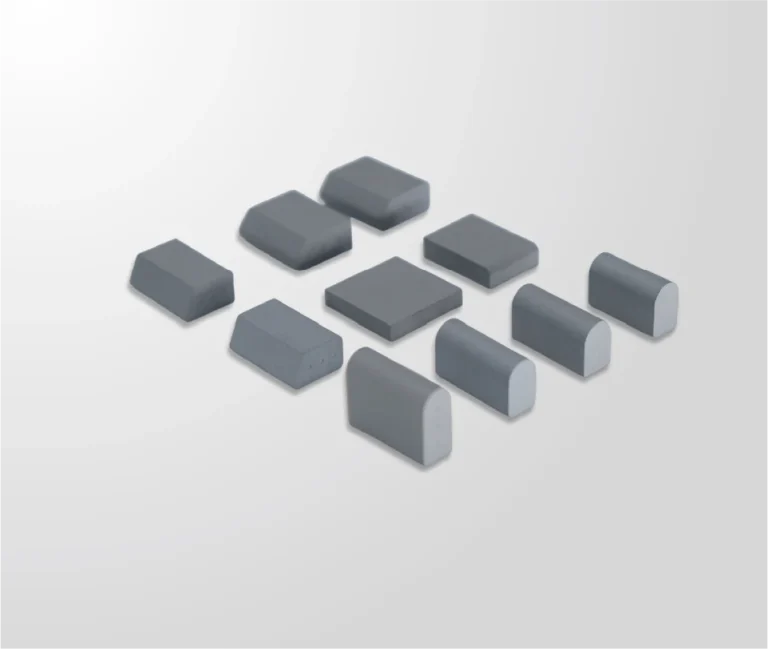
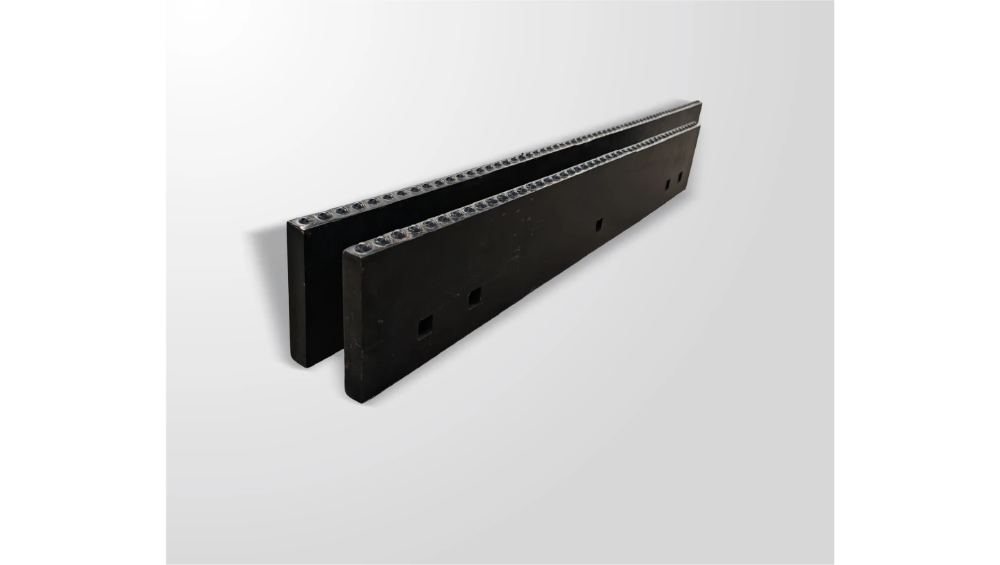
Carbide inserts provide a hard, wear-resistant surface that withstands gouging, abrasion, and impact from snow, ice, and road debris. SENTHAI uses optimized grain size, bonding techniques, and insert geometry to reduce substrate deformation. This increases service intervals, lowers maintenance costs, and improves uptime for fleets in challenging winter conditions. See carbide insert manufacturing services for OEMs.
What Factors Determine Insert Performance in Snow Blades?
Performance depends on blade geometry, substrate compatibility, coating, and mounting accuracy. Selecting inserts with the appropriate carbide grade, precise welding or brazing, and correct seating reduces vibration and enhances lifespan. External factors such as environmental conditions, load cycles, and temperature fluctuations also influence wear rates. See what top carbide insert suppliers provide.
Which Design Features Matter Most for Snow Plows?
- Hardness: resists abrasive wear from ice and gravel.
- Fracture toughness: absorbs impacts without chipping.
- Seating tolerance: prevents vibration and premature failure.
- Edge geometry: maintains cutting efficiency and contact pressure.
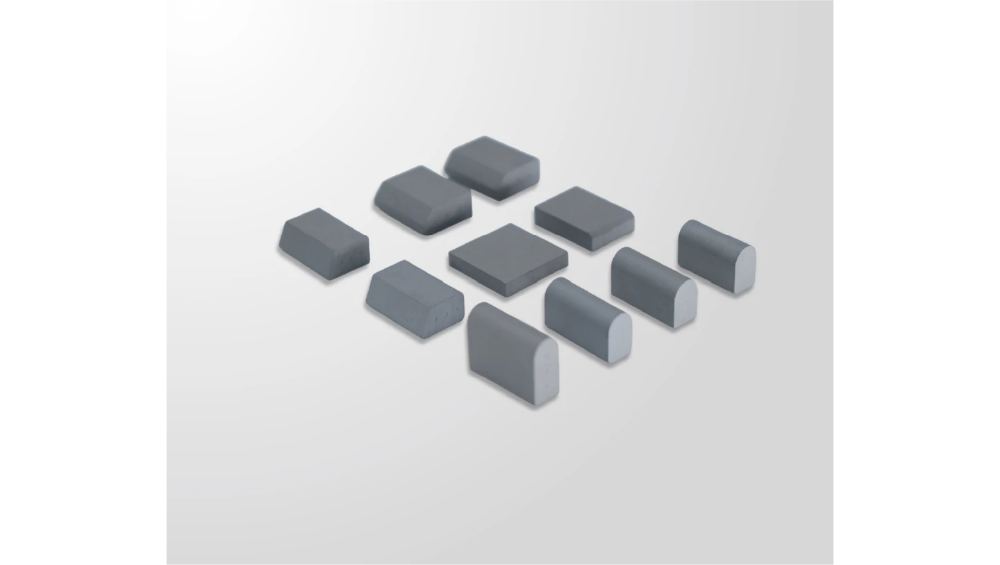
SENTHAI emphasizes standardized interface dimensions, strong bonding, and uniform wear resistance across batches. See whether dome-head carbide is the key to shattering black ice for geometry examples.
Why Is Total Cost of Ownership Improved with Carbide Inserts?
Though initial costs may be higher than conventional steel options, carbide inserts reduce downtime, extend blade life, and lower replacement frequency. SENTHAI supports manufacturers and suppliers with OEM-friendly packaging, reliable supply, and scalable production, delivering savings over the operational lifespan of the plow. See how to extend carbide blade life.
Best Practices for Installing Carbide Inserts in Snow Blades
- Ensure proper substrate preparation and cleanliness before brazing.
- Select the correct braze alloy and temperature profile for the grade.
- Seat inserts fully and uniformly to avoid stress concentrations.
- Verify bond integrity with inspection or pull-test sampling.
- Document batch and process records for traceability.
How Does SENTHAI Support Manufacturers and Suppliers Globally?
SENTHAI, a US-invested manufacturer in Rayong, Thailand, produces high-performance carbide inserts with precise bonding and consistent quality. With 80+ global partners and ISO-certified automated production, SENTHAI offers custom grades, sizes, and packaging for OEM programs. See ice resurfacer OEM integration and specifying edges for front, wing, and underbody positions.
What Role Does Material Science Play in Insert Longevity?
Grain size controls the hardness-toughness balance: finer grains wear longer but can be more brittle, while coarser grains absorb impact. Cobalt binder ratio and sintering conditions set the final properties. SENTHAI tunes grade selection to the application so inserts don’t over-engineer or under-perform. See why insert quality varies between suppliers.
How Can Manufacturers Evaluate Inserts for Snow Blade Projects?
- Request hardness, TRS, and microstructure test data per batch.
- Require dimensional tolerance certificates for seating surfaces.
- Audit brazing process controls and pull-test records.
- Run a pilot batch on representative winter duty before full adoption.
Is There a Recommended Maintenance Schedule for Carbide Inserts?
Inspect inserts after every major storm and at least weekly during continuous operations. Check for chipped edges, loose seats, and uneven wear; replace damaged inserts promptly to protect the steel carrier. See replacement carbide inserts for extended service life.
Comparison of Insert Options
| Option | Strength | Trade-off | Best For |
|---|---|---|---|
| Standard micro-grain insert | Long wear life | Less impact tolerance | Smooth highways |
| High-toughness insert | Impact resistance | Slightly shorter wear | Cracked asphalt, gravel |
| Dome-head insert | Ice fracture | Application-specific | Black ice control |
Frequently Asked Questions
How much longer do carbide inserts make snow blades last?
Carbide-inserted edges typically last several times longer than steel on abrasive routes, with fleets reporting 3–5x and higher depending on conditions.
Can inserts be replaced instead of the whole blade?
Yes — if the steel carrier is sound, worn inserts can be re-tipped, cutting replacement cost.
How does SENTHAI ensure quality across batches?
Automated production, sampling at every stage, and archived batch records ensure consistent hardness, dimensions, and bonding.
Can SENTHAI customize inserts for OEM requirements?
Yes — custom grades, sizes, geometries, and packaging are available for OEM and wholesale programs.
Related Articles
- I.C.E. Blades with Long-Lasting Carbide Inserts
- Best Practices for Extending Carbide Blade Life
- Highway Snow Plow Blade Specs
- Why Insert Quality Varies by Supplier
Official Resources
References
- SENTHAI ISO 9001 production and batch traceability documentation, 2026.
- Fleet case data on carbide insert service life in North American winter operations.