




Why Do Steel Plow Blades Wear Out Fast on Ice? Friction Heat Explained
Steel plow blades wear out fast on ice because of thermal friction: high-speed contact generates heat exceeding 500°C, tempering the steel surface, softening it, and accelerating edge wear — while tungsten carbide retains hardness…
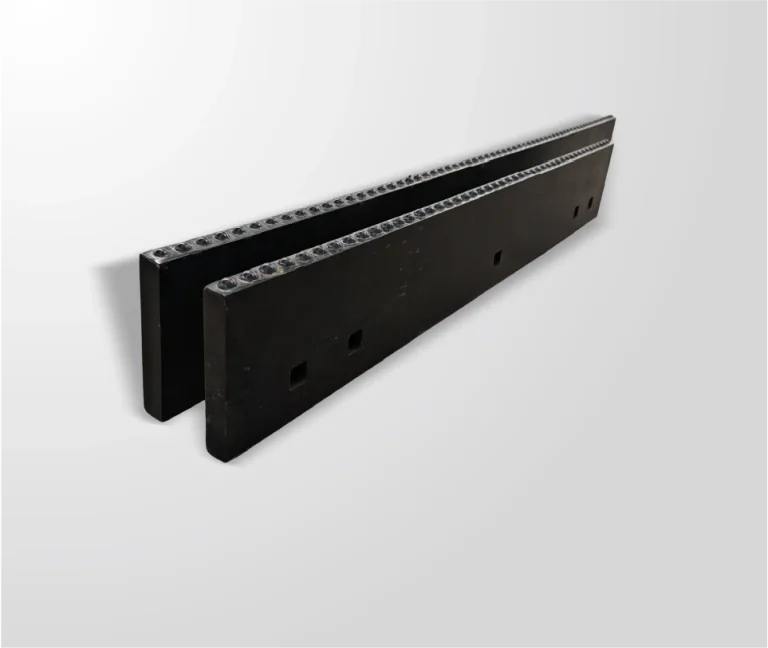
Steel plow blades wear out fast on ice because of thermal friction: high-speed contact generates heat exceeding 500°C, tempering the steel surface, softening it, and accelerating edge wear — while tungsten carbide retains hardness at these temperatures and lasts up to 5x longer.
(Last modified date: September 2, 2026)
Quick definition: The physics at the blade-ice interface combine high pressure, speed, and minimal lubrication to produce extreme heat.
Key Takeaways
- Flash temperatures at blade-ice contact can reach 800–1,000°C.
- Steel begins losing hardness above 200°C; at 500°C hardness can drop 50% or more.
- Heat tempers (softens) the steel, rolling and mushrooming the edge.
- Carbide at 88–92 HRA resists this thermal softening and lasts multiple times longer.
What Actually Happens When a Steel Blade Scrapes Against Hard Ice?
The physics at the blade-ice interface combine high pressure, speed, and minimal lubrication to produce extreme heat. Friction causes micro-welding and tearing: ice momentarily melts, then refreezes, pulling steel particles away (adhesive wear). Localized flash temperatures at contact points can reach 800–1,000°C. Steel begins to lose hardness above 200°C; at 500°C, hardness can drop by 50% or more. See why your blade skips on hard-packed snow.
Why Does Heat Soften Steel So Quickly During Plowing?
Friction heat reverses the steel’s hardening process (tempering): martensite transforms back into softer phases, like in a blacksmith’s forge. Continuous ice contact creates a thermal cycle where heat builds faster than it dissipates. Unlike dry abrasion, the ice surface prevents annealing but leaves steel in an “over-tempered” softened state, weakening the cutting edge rapidly. See carbide, JOMA, and packed ice solutions for Des Moines.
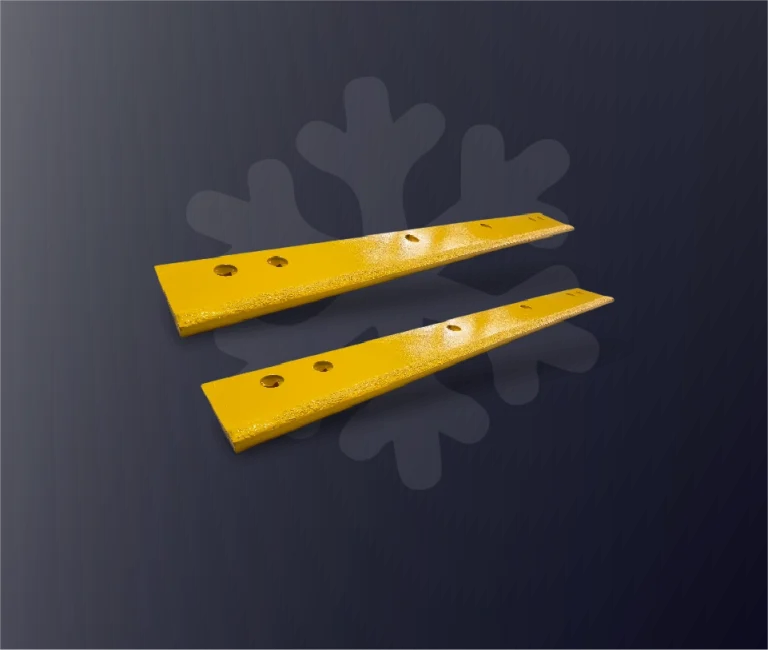
What Problems Does a Softened Steel Edge Create for Operators?
| Condition | Surface Temp | Blade Hardness (HRC) | Wear Rate | Blade Life Expectancy |
|---|---|---|---|---|
| Dry pavement | 0–40°C | 58–62 | Moderate | 20–40 hours |
| Hard packed ice | 300–500°C+ | 45–52 | Extreme | 4–8 hours |
| Ice + salt/sand mix | 200–400°C | 50–55 | High | 8–15 hours |
A softened edge rolls or mushrooms, losing cutting geometry. The duller blade increases friction and heat in a vicious cycle. Operators face frequent downtime, higher fuel and replacement costs, and safety risks from compromised scraping. See night plowing noise management.
How Do Carbide Blades Resist the Thermal Friction Problem?
Tungsten carbide from SENTHAI has inherent hardness of 88–92 HRA (equivalent to much higher HRC) and maintains that hardness at plowing temperatures. It doesn’t temper or soften under friction heat, so the edge stays sharp and cutting geometry remains stable. See packed ice carbide kits.
Which SENTHAI Carbide Blade Is Best for Fighting Thermal Wear on Ice?
Standard carbide blades for abrasive highway ice, JOMA-style for vibration-sensitive routes, and I.C.E. blades for impact-heavy packed ice. Match the architecture to the route for best results.
How Does SENTHAI’s Manufacturing Ensure Consistent Quality?
Automated wet grinding, pressing, vacuum sintering, welding, and vulcanization produce uniform micro-grain carbide with documented hardness and bonding per batch.
Can Custom Carbide Blades Solve Specific Thermal Wear Challenges?
Yes — custom grades and geometries can be tuned for specific speeds, temperatures, and surface mixes. See how flexible blades aid snow removal.
Does Switching to Carbide Really Reduce Total Operating Costs?
Yes — fewer changes, less downtime, and reduced salt use lower total cost despite higher upfront price.
FAQs
Does the heat from plowing ice actually soften steel?
Yes — friction heat tempers the steel, reversing hardening and dropping hardness by 50% or more at extreme contact temperatures.
How often should I change steel blades when plowing ice?
On hard packed ice, steel edges can wear out in 4–8 hours; carbide edges last multiple times longer.
Is there a temperature where carbide also softens?
Carbide retains hardness far beyond plowing temperatures; its limits are far above steel’s tempering range.
How do I choose between JOMA-style and standard carbide?
Standard carbide for abrasive highways; JOMA-style for vibration and noise-sensitive routes; I.C.E. for impact-heavy ice.
Related Articles
- Why Your Blade Skips on Hard-Packed Snow
- Snow Plow Blades for Des Moines
- Night Plowing Noise Management
- Flexible Blades and Snow Removal
Official Resources
References
- SENTHAI thermal wear testing documentation, 2026.
- Metallurgical data on steel tempering and carbide hot hardness.
Related articles
 Best Snow Plow Blade Family for Your Fleet: Top 5 ScenariosKnowledge
 Top 10 Snow Plow Blade Types for Winter Fleets (Ranked by Duty Fit)Knowledge
 Top 5 Best Carbide Blade Configurations for Highway PlowingKnowledge
 Best Snow Plow Blade Materials Ranked: Steel vs Carbide vs Cladding vs Rubber-CarbideKnowledge