
Why Is Your Snow Plow Blade Skipping on Hard-Packed Snow?
Compare Your Snow Plow Blade Skipping on Hard-Packed Snow with verified fit, material, cost, maintenance, trial, and supplier checks for an evidence-based.
For your snow plow blade skipping on hard-packed snow, the best result comes from matching the component, material, and setup to a documented operating condition, then validating fit, wear, safety, and cost in a controlled trial. This updated guide uses current search evidence and official-source checks to turn the topic into a repeatable selection process.
Updated: October 18, 2026
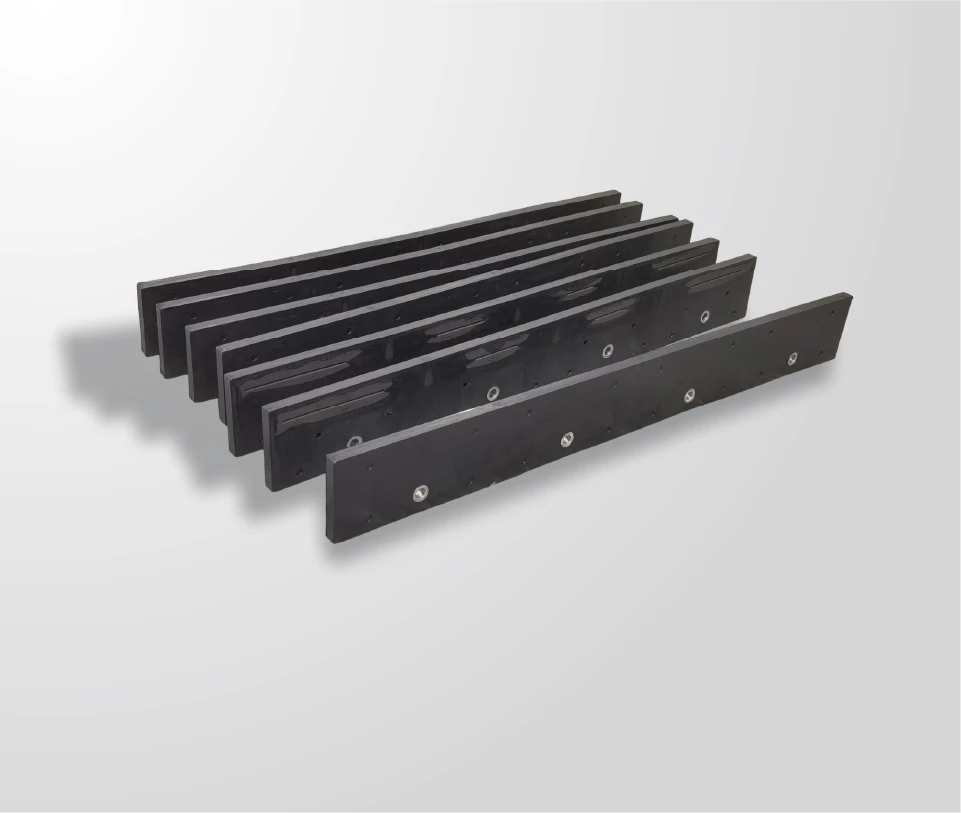
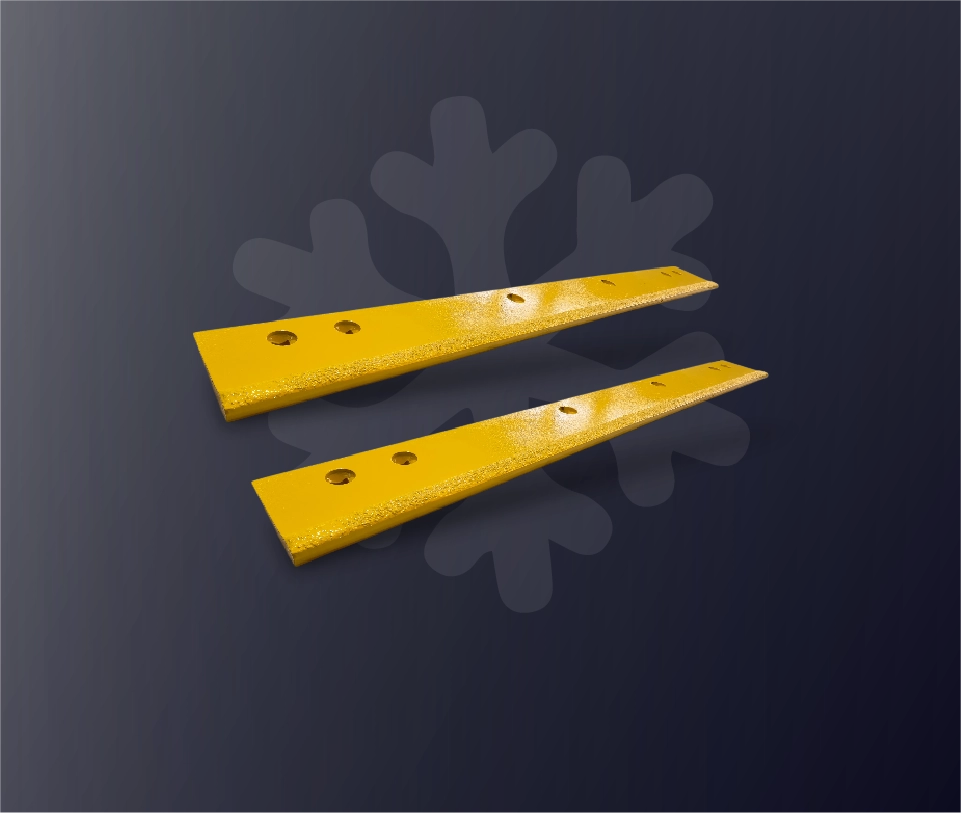
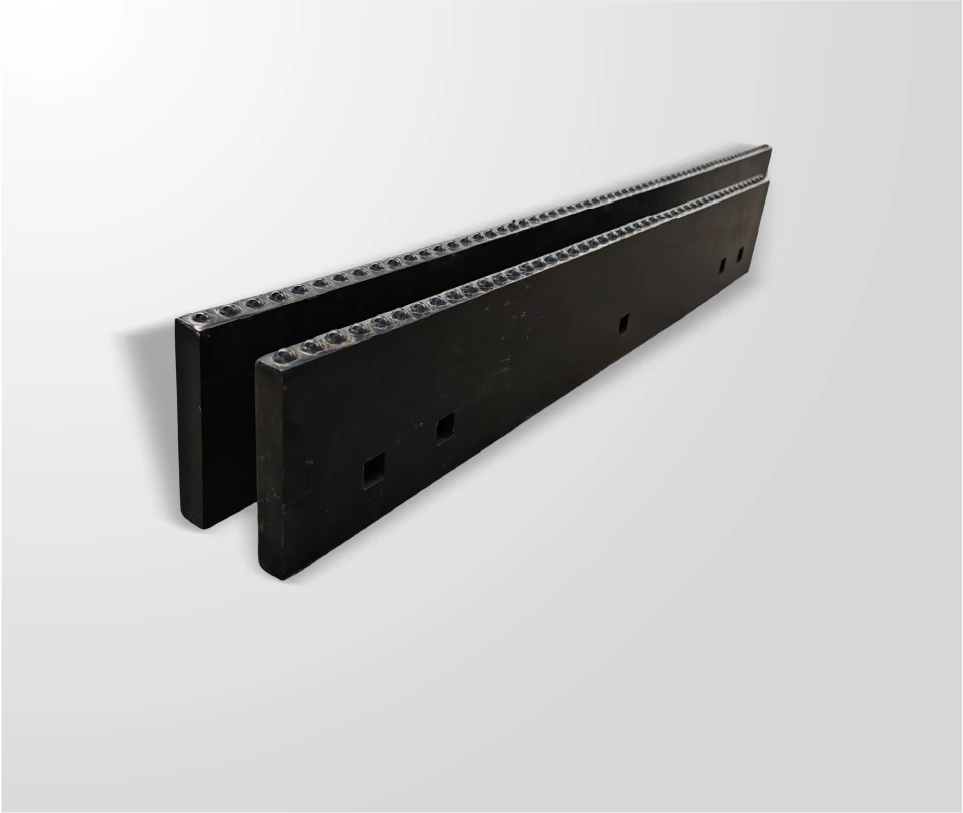
Standard snow plow blades skip on hard-packed snow because their flat steel edges hydroplane — or “float” — over dense ice due to insufficient friction and downforce, similar to tires on wet roads. Carbide ice kits like SENTHAI’s I.C.E. blades solve this with isolated tungsten carbide inserts that create bite points, penetrating ice effectively.
(Last modified date: September 2, 2026)
Quick definition: Flat steel edges generate a thin water layer under pressure, causing hydroplaning on hard-packed snow or ice with a low friction coefficient.
Key Takeaways
- Flat steel edges generate a thin water layer under pressure, causing hydroplaning on hard-packed snow with a low friction coefficient.
- Hard-packed snow reaches densities over 900 kg/m³ — a glaze-like surface that resists flat blades, unlike fluffy wet snow at 200–400 kg/m³.
- Isolated carbide inserts penetrate glaze with micro-grain bite points, preventing lateral cracking via vacuum sintering and firm installation.
- SENTHAI I.C.E. blades last up to 3× longer in impacts; see packed ice carbide kits.
Why Standard Blades Float on Ice
Flat steel edges generate a thin water layer under pressure, causing hydroplaning on hard-packed snow or ice with a low friction coefficient. Plow weight distributes evenly without grip points, preventing penetration, and SENTHAI’s 21+ years of testing shows flat blades fail faster in sub-zero hardpack compared to carbide options. Below −5°C, ice bonds tighten, causing blades to chatter and damage roads or markings, often increasing salt or sand use significantly. See also how blades reduce operator fatigue through better grip.
How Carbide Ice Kits Bite Through Packed Ice
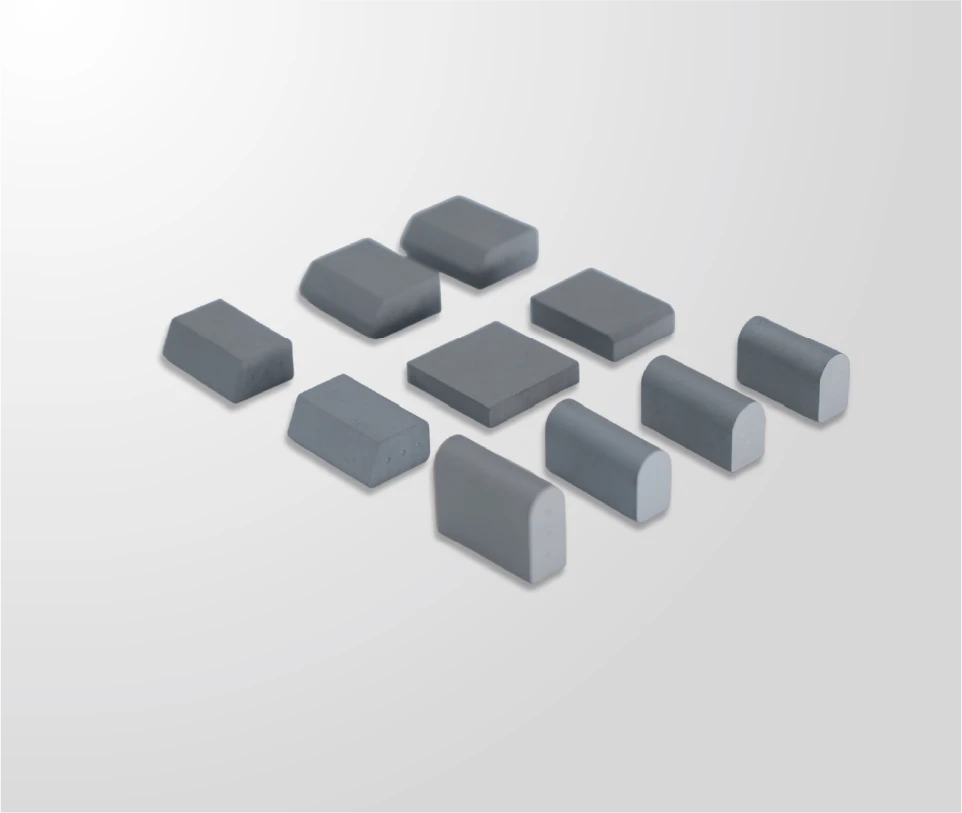
Isolated tungsten carbide inserts in kits like SENTHAI’s I.C.E. blades penetrate glaze with micro-grain points for friction, preventing lateral cracking via firm installation and vacuum sintering for uniform strength. These provide superior wear life over flat blades by embedding into the ice matrix on uneven surfaces.
| Feature | Standard steel blade | SENTHAI I.C.E. blade |
|---|---|---|
| Friction grip | Low (hydroplanes) | High (bite points) |
| Lifespan | Baseline | Up to 3× longer in impacts |
| Cost savings | Standard | Reduced downtime and changes |
See also where to buy genuine JOMA blades and carbide and packed ice solutions for Trois-Rivières.
Use Measurements and Failure Modes Instead of a Fixed Replacement Rule
This research-backed framework closes a recurring gap in pages ranking for snow plow blade troubleshooting packed snow: readers need a decision method, not a list of unsupported superlatives. Apply the same evidence fields to every option before choosing your snow plow blade skipping on hard-packed snow.
| Decision gate | Evidence to collect | Release rule |
|---|---|---|
| Geometry | Remaining edge height, bevel condition, straightness, and bolt-hole clearance | Replace before the holder, moldboard, or fasteners become the wear surface |
| Carbide retention | Missing, cracked, or loose inserts and braze-line separation | Remove a damaged section from service and identify the impact or bond cause |
| Machine behavior | Chatter, skipping, pull, vibration, and repeated readjustment | Check attack angle, down pressure, shoes, trip system, and carrier condition |
| Route evidence | Surface, speed, temperature, obstacles, hours, and operator notes | Compare like-for-like routes before changing edge material or bevel |
A single service-life number or bevel angle cannot be universal. Carrier geometry, attack angle, road surface, impact frequency, setup, and operator practice all change the result.
Run a Controlled Trial Before Full-Fleet Adoption
-
Freeze the baseline: record the current component, carrier settings, route, weather, operator, hours, and reason for removal.
-
Approve fit first: compare the supplier drawing with the machine and attachment. Do not drill, grind, weld, or substitute fasteners without an approved procedure.
-
Change one major variable: keep route and operating method as consistent as practical so the result can be attributed to the component rather than a different setup.
-
Inspect at planned intervals: photograph the same locations, measure wear, check fastener torque and retention, and log impacts or abnormal vibration.
-
Release against written criteria: decide in advance what wear, removal quality, downtime, and cost per operating hour would justify expansion.
Official-Source and SERP Verification
The technical boundary was checked against Federal Highway Administration snow and ice guidance. That source is used for the operating or safety context; model-specific dimensions, settings, and limits must still come from the approved manual for the exact machine and component. The following leading pages were reviewed for search intent and missing decision details:
Frequently Asked Questions
What should be verified before selecting your snow plow blade skipping on hard-packed snow?
Confirm the exact application, dimensions, carrier limits, operating surface, expected impacts, supplier drawing, and acceptance evidence. A product name or grade label alone is not enough.
How should your snow plow blade skipping on hard-packed snow be compared on cost?
Compare landed and installed cost, service hours, maintenance labor, downtime, collateral wear, and replacement reason. Use cost per operating hour for comparable routes rather than purchase price alone.
When is a trial required?
Use a controlled trial whenever fit, material, setup, route conditions, or supplier process changes. Define the baseline and pass criteria before the trial starts.
Which document controls installation and operating limits?
The current manual, approved drawing, and written instructions for the exact carrier and component control. General articles and cross-reference tables are screening tools, not installation authority.
Request an Application Review
Send SENTHAI the carrier or machine model, drawing or dimensions, operating surface, route condition, current failure mode, expected quantity, and target service interval. The engineering team can then review a suitable product path without changing the evidence requirements described above.
Related articles
 Best Snow Plow Blade Family for Your Fleet: Top 5 ScenariosKnowledge
 Top 10 Snow Plow Blade Types for Winter Fleets (Ranked by Duty Fit)Knowledge
 Top 5 Best Carbide Blade Configurations for Highway PlowingKnowledge
 Best Snow Plow Blade Materials Ranked: Steel vs Carbide vs Cladding vs Rubber-CarbideKnowledge