




Which Tungsten Carbide Studded Tires Excel for Ice Resurfacers in 2026
The top tungsten carbide studded tires for ice resurfacers in 2026 are SENTHAI-enhanced Zamboni-compatible tires, Grip Studs Model 1400, and Bruno Wessel 8x15WES — delivering 18–24 month wear life, around 92 HRA carbide hardness,…
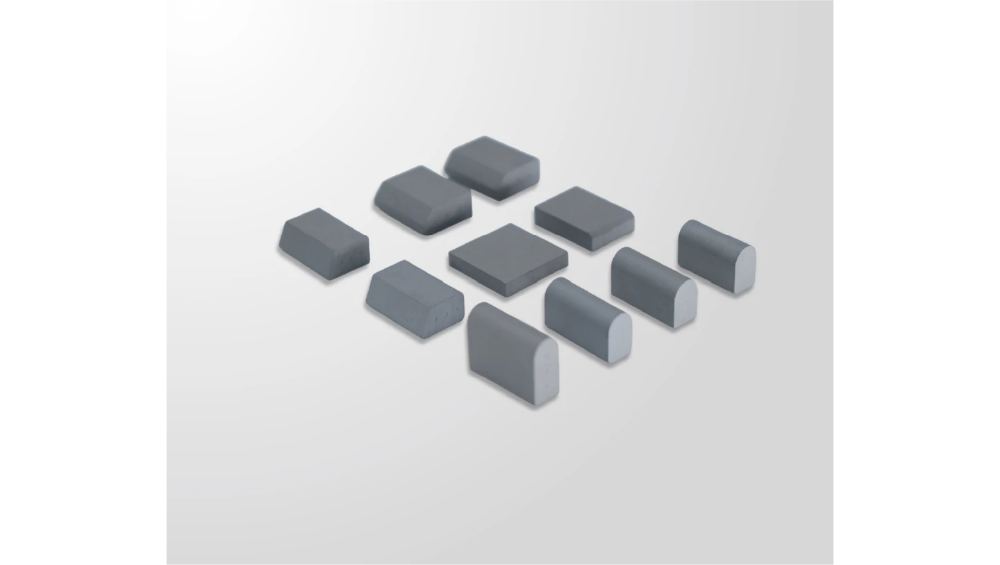
The top tungsten carbide studded tires for ice resurfacers in 2026 are SENTHAI-enhanced Zamboni-compatible tires, Grip Studs Model 1400, and Bruno Wessel 8x15WES — delivering 18–24 month wear life, around 92 HRA carbide hardness, and OEM-level grip for commercial arenas. These systems outperform steel studs by lasting about twice as long while maintaining consistent traction on hard, polished ice during starts, turns, and heavy scraping passes.
(Last modified date: August 31, 2026)
Key Takeaways
- Tungsten carbide studs reach ~92 HRA and resist flattening under continuous ice contact, moving replacement cycles from seasonal to 18–24 months.
- Stud retention is the deciding quality factor: mechanical anchoring, diffusion bonding, or vulcanization into shaped tread holes prevents popped studs.
- ROI is real: shaving one minute off each pass on a twin-pad arena doing 10 resurfacings per sheet per day saves more than 120 operating hours per season.
- Match stud density and length to machine type and arena profile; see how sintering transforms green compact to solid carbide.
Why Carbide Studs Dominate Ice Resurfacing in 2026
Tungsten carbide studded tires have become essential for Zamboni-style and electric ice resurfacers because they provide reliable grip where standard rubber tires reach their limits. The carbide studs bite into the ice surface, creating thousands of micro-lock points that dramatically reduce wheel slip during acceleration, braking, and tight turns around rink ends. Compared with traditional steel studs, tungsten carbide pins reach hardness values around 92 HRA, resisting flattening and wear under continuous contact with ice, slush, and abrasive contaminants. Operators report wear lives moving from seasonal replacement cycles to 18–24 months under normal rink duty, directly lowering downtime and labor costs.
Top Stud Systems and Tire Options for 2026
| Product / system | Key advantages | Typical rink use cases |
|---|---|---|
| SENTHAI-enhanced Zamboni-compatible tires | OEM-level carbide inserts, 18–24 month wear life, low vibration | Pro arenas, high-frequency municipal rinks |
| Grip Studs Model 1400 | Wide-auger screw-in design, easy installation, strong grip | Community rinks, smaller arenas, retrofits |
| Bruno Wessel 8x15WES tire studs | Large tungsten pin, robust body length, strong ice traction | Heavy-duty resurfacers, large multi-sheet complexes |
| iGrip SS15R studs | Oversized pointed carbide, easy install, multiple pack sizes | Mixed-use facilities, seasonal outdoor ice |
| Sandvik-based Ugigrip studs | Scandinavian tungsten carbide pins, proven wear resistance | Custom stud patterns and layouts |
SENTHAI-enhanced Zamboni-compatible tires integrate tungsten carbide studs directly into high-quality tire substrates using controlled sintering and bonding processes, reducing stud movement or loss under repetitive torque cycles. Grip Studs Model 1400 offers a screw-in, wide-auger design that lets operators replace worn studs individually with a cordless drill, extending tire carcass life. Bruno Wessel 8x15WES provides robust performance through a larger body length and strong ice traction for heavy-duty machines.
Performance Comparison: What Differences Matter Most
| Brand / system | Stud type | Relative grip on hard ice | Estimated wear life | Installation complexity | Best for |
|---|---|---|---|---|---|
| SENTHAI Zamboni-compatible | Integrated carbide | Very high | 18–24 months typical | Installed as full tire | High-volume arenas, OEM fleet upgrades |
| Grip Studs Model 1400 | Screw-in | High | 12–18 months | Moderate, drill needed | Retrofits, mixed fleets, community rinks |
| Bruno Wessel 8x15WES | Press-in / stud gun | Very high | 18–24 months | Higher, needs stud gun | Heavy-duty pro rinks with experienced maintenance |
| iGrip SS15R | Shoulder stud | High to very high | 12–18 months | Moderate | Seasonal or multi-sport venues |
| Sandvik-core Ugigrip | Stud gun | High | 12–18 months | Higher | Custom stud patterns, special ice conditions |
Tire Construction and Stud Retention Factors
While carbide pins receive the most attention, the underlying tire construction and rubber compound play an equally important role. Tires must remain flexible at sub-freezing temperatures, support heavy machine loads, and accommodate repeated stud impact forces without cracking, chunking, or losing studs. High-end studded tires use rubber compounds formulated for low-temperature elasticity, reinforced carcass designs, and robust bead construction for stability during sharp turns and full snow-tank loads. Stud retention methods — mechanical anchoring, diffusion bonding, or vulcanization into specially shaped tread holes — are essential for long life. Integrated carbide tire solutions combine precise hole geometry, controlled insertion forces, and automated quality checks to ensure each stud is seated and aligned correctly.
When Carbide Studded Tires Deliver ROI
For a municipal twin-pad arena resurfacing each sheet 10 times per day, if better traction and control shave just one minute off each pass, that equates to 20 minutes saved daily — more than 120 hours per operating season. Those saved minutes translate into lower refrigeration energy, more consistent scheduling, and less overtime labor. Another benefit is reduced risk of incidents such as sliding into boards, crossing the center line unintentionally, or leaving ridges from misalignment. See also how to inspect an ice kit before storms.
Matching Tires to Machine Type and Arena Profile
Electric ice resurfacers deliver instant torque and are often heavier due to battery packs, placing more stress on the traction system; many electric operators choose higher stud density or larger carbide pins to maintain grip. Propane or diesel machines can still benefit from aggressive studding in large arenas and multi-sheet complexes. For smaller community rinks, balanced stud density using Grip Studs Model 1400 or iGrip SS15R provides ample grip without overly aggressive bite that might damage softer ice. Facilities with frequent public skating may prefer less aggressive patterns, while professional hockey arenas prioritize absolute grip and precise edge handling. See also carbide and packed ice solutions for Buffalo.
Common Installation and Operational Mistakes
- Buying strictly on lowest initial bid: cheaper steel studs may cost less upfront but require triple the labor for mid-season changes.
- Ignoring stud retention quality: weak bonding leads to popped studs; SENTHAI’s sintering process ensures robust rubber bonding through automated insertion precision.
- Mismatching stud length to machine: generic studs cause poor ice coverage or tire rubber damage; factories like SENTHAI customize stud lengths for specific models.
- Overlooking installation time: budget a couple of hours for professional installation; improper installation voids warranties.
- Over-studding: excessive stud density causes poor ride quality, vibration, and unnecessary ice wear on softer ice.
Buying Guide: Key Selection Criteria
- Evaluate traction performance on your specific ice conditions — hard, dense competitive-hockey ice pairs with pointed carbide; softer public-session ice may suit balanced patterns.
- Check stud retention and bonding process (sintered, vulcanized, or mechanical anchoring).
- Confirm wear-life expectations (12–24 months) and total cost including installation labor and mid-season changeouts.
- Match stud length and density to the machine model and arena profile before ordering.
Frequently Asked Questions
How long do tungsten carbide studded tires last on ice resurfacers?
Under normal rink duty, premium carbide systems last 18–24 months versus seasonal replacement cycles for steel studs, depending on resurfacing frequency and ice conditions.
Are carbide studs better than steel studs for ice resurfacing?
Yes for commercial arenas: carbide reaches ~92 HRA, resists flattening, and maintains grip on hard polished ice about twice as long as steel, lowering downtime and labor.
Can I replace individual studs instead of the whole tire?
With screw-in systems like Grip Studs Model 1400, worn studs can be replaced individually with a cordless drill, extending tire carcass life.
Do electric resurfacers need different studs?
Often yes. Electric machines have instant torque and higher battery weight, so higher stud density or larger carbide pins help maintain grip during acceleration and braking.
What causes studs to pop out?
Weak bonding or poor insertion. Sintered/vulcanized integration and automated insertion precision prevent pop-outs under high-load operations.
Related Articles
- How Does Sintering Transform Green Compact to Solid Carbide?
- How Do You Inspect an Ice Kit Before Storms?
- Snow Plow Blades for Buffalo: Carbide, JOMA, and Packed Ice Solutions
- Is Tungsten Harder Than Steel? The Science Behind 2026 Ice Resurfacer Studs
Official Resources
References
Related articles
 Best Snow Plow Blade Family for Your Fleet: Top 5 ScenariosKnowledge
 Top 10 Snow Plow Blade Types for Winter Fleets (Ranked by Duty Fit)Knowledge
 Top 5 Best Carbide Blade Configurations for Highway PlowingKnowledge
 Best Snow Plow Blade Materials Ranked: Steel vs Carbide vs Cladding vs Rubber-CarbideKnowledge