




What Are the Best Tungsten Carbide Drill Bits for Contractors in Winter Frozen Ground and Concrete
The best tungsten carbide drill bits for contractors working in winter are heavy-duty rotary hammer bits with micro-grain carbide tips and reinforced cobalt-nickel binder systems, designed for frozen ground, permafrost, and cold-cured concrete. For…
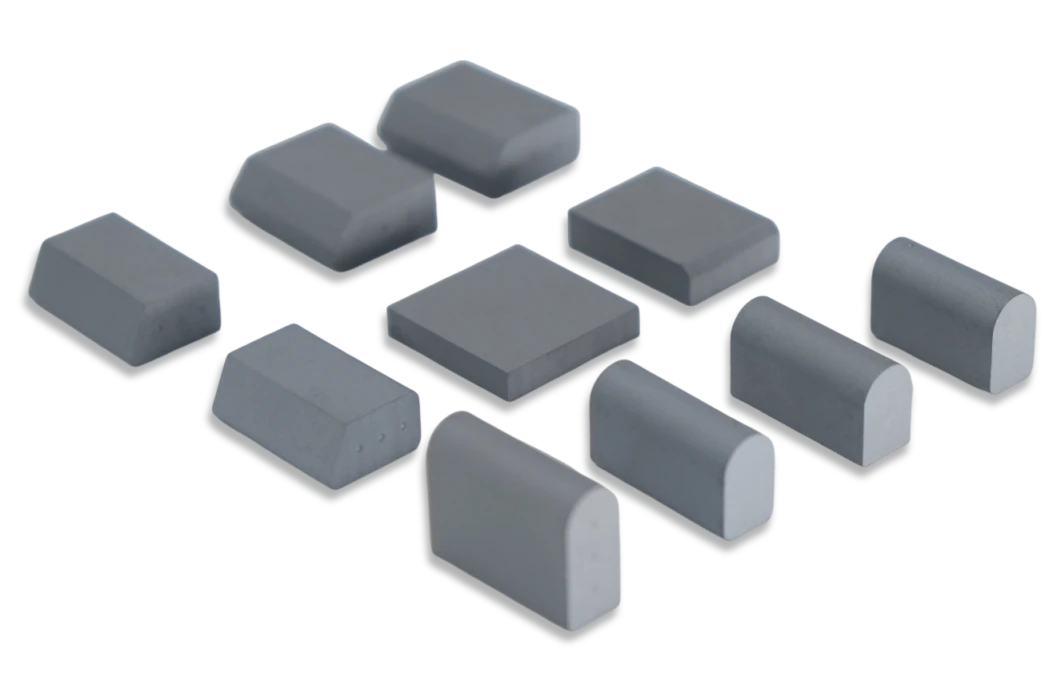
The best tungsten carbide drill bits for contractors working in winter are heavy-duty rotary hammer bits with micro-grain carbide tips and reinforced cobalt-nickel binder systems, designed for frozen ground, permafrost, and cold-cured concrete. For general contractors, utility supervisors, and foundation engineers drilling through 4-foot frost lines, these bits deliver 10× longer life than steel while resisting the low-temperature brittleness that causes standard carbide to chip.
(Last modified date: September 7, 2026)
Quick definition: Most commercial tungsten carbide drill bits fail in winter because their binder phase is optimized for ambient-temperature heat dissipation, making them incredibly brittle under thermal shock.
Key Takeaways
- Standard carbide fails in winter due to low-temperature brittleness: cobalt binders lose ductility below −20°F, and thermal gradient stress cracks the carbide matrix.
- Match bit geometry to the ground: spherical button for hard permafrost, ballistic button for ice-gravel mix, chisel taper for cold reinforced concrete, drag bits for compact topsoil, hybrid for freeze-thaw layers.
- Higher cobalt content (10–15%) improves cold-weather toughness; cobalt-nickel binder systems retain flexibility at sub-zero temperatures.
- Winter-specific bits eliminate 2–3 replacement cycles per season, saving $2,000–$3,000 in tool costs and crew downtime; see frozen ground breakout tools.
Why Standard Carbide Drill Bits Fail in Sub-Zero Conditions
Most commercial tungsten carbide drill bits fail in winter because their binder phase is optimized for ambient-temperature heat dissipation, making them incredibly brittle under thermal shock. When hammering through frozen soil, the temperature delta between sub-zero rock and the glowing drill tip creates thermal gradient stress that cracks standard carbide grades. Tungsten carbide ranks just below diamond on the Mohs scale, but this extreme hardness comes with a trade-off: when combined with a metallic binder like cobalt or nickel, the binder enhances toughness while retaining wear resistance. However, standard cobalt binders lose ductility below −20°F, causing the carbide matrix to delaminate under impact loading. Contractors in cold climates report carbide bits snapping within minutes when drilling through ice-gravel mixtures or hard permafrost — the issue isn’t insufficient force, it’s material selection.
Winter Drill Bit Geometry: Chisel vs Button Designs
| Winter ground condition | Recommended bit geometry | Why it works |
|---|---|---|
| Hard permafrost (>4 ft deep) | Spherical button | Distributes impact stress, reduces peak carbide stress |
| Ice-gravel mix | Ballistic button | Faster penetration in medium formations (f < 8) |
| Cold reinforced concrete | Chisel taper | Aggressive cutting edge slices through hardened material |
| Compact frozen topsoil | Heavy-duty carbide drag | Open-face design prevents material packing |
| Freeze-thaw layered ground | Combination soil-to-rock hybrid | Handles sudden hardness changes |
The rounded geometry of spherical button designs distributes impact stress across a wider contact surface, reducing peak carbide stress per strike — ideal for hard rock and deeply frozen layers where cost-per-meter is the primary KPI. For contractors worried about hole deviation or poor flushing, drop-center designs are recommended regardless of formation factor, as the controlled cutting profile manages impact during startup and breakthrough. See also which blade material delivers the best durability and value.
Cobalt Matrix and Binder System Specifications
Higher cobalt content (10–15%) generally improves toughness in extreme cold by acting as a micro-structural shock absorber. Some manufacturers use cobalt-nickel binder systems that retain flexibility at sub-zero temperatures better than pure cobalt. When specifying winter drill bits, verify the binder system, carbide grade, and micro-grain structure — these determine whether the bit survives thermal shock or snaps mid-hole. See also how coercive force testing predicts carbide hardness.
Common Procurement Mistakes That Increase Winter Tool Costs
- Buying summer-rated bits for winter drilling — the binder is the failure point, not the force.
- Ignoring geometry: using chisel bits in permafrost instead of button designs.
- Not stocking spare wear parts on site for deep frost-line work.
- Treating bit cost as unit price instead of cost per meter drilled.
See also the municipal RFP and route-based procurement guide.
How to Calculate ROI for Winter-Specific Carbide Drill Bits
Contractors reduce costs by using heavy-duty carbide bits with protected carbide placement, stocking sufficient wear parts on site, and switching to rock-style bits for deeply frozen layers. This approach eliminates 2–3 replacement cycles per season, saving $2,000–$3,000 in tool costs and crew downtime. Compare cost per meter drilled across summer-rated and winter-rated bits under your actual frozen-ground conditions to quantify the gain.
FAQs
Why do tungsten carbide drill bits break more frequently in winter?
Standard carbide bits break more frequently because their cobalt binder loses ductility below −20°F, causing thermal gradient stress between sub-zero rock and the hot drill tip to crack the carbide matrix — the metallurgical phenomenon of low-temperature brittleness.
What is the best drill bit design for drilling through frozen ground or permafrost?
Spherical button bits are best for hard permafrost and deeply frozen layers because their rounded geometry distributes impact stress across a wider contact surface, reducing peak carbide stress per strike.
How does sub-zero temperature affect the wear life of carbide construction tools?
Sub-zero temperatures increase carbide brittleness, causing chips and cracks from impact loading. Heavy-duty carbide bits designed for frozen ground maintain 10× longer life than steel using micro-grain matrices with shock-absorbing binder systems.
What cobalt percentage is required for extreme cold-weather drilling?
Higher cobalt content (10–15%) generally improves toughness in extreme cold; some manufacturers use cobalt-nickel binder systems that retain flexibility at sub-zero temperatures better than pure cobalt.
How can a commercial contractor reduce tool replacement costs during winter excavation?
Use heavy-duty carbide bits with protected carbide placement, stock sufficient wear parts on site, and switch to rock-style bits for deeply frozen layers — eliminating 2–3 replacement cycles per season and saving $2,000–$3,000.
Related Articles
- Which Snow Plow Blade Material Delivers the Best Durability & Value?
- Heavy-Duty Scarifier Boards for Frozen Ground and Ice-Gravel Breakout
- Municipal Snow Plow Blade Procurement: RFP, Budget, and Route-Based Specs
- Can Coercive Force Testing Predict HRA Hardness of Carbide Inserts?
Official Resources
References
Related articles
 Best Snow Plow Blade Family for Your Fleet: Top 5 ScenariosKnowledge
 Top 10 Snow Plow Blade Types for Winter Fleets (Ranked by Duty Fit)Knowledge
 Top 5 Best Carbide Blade Configurations for Highway PlowingKnowledge
 Best Snow Plow Blade Materials Ranked: Steel vs Carbide vs Cladding vs Rubber-CarbideKnowledge