




Verifying Plow Blade Bolt Hole Patterns for Reliable Cross Fleet Fitment
Verifying a plow blade's bolt hole pattern — end offsets plus center-to-center spacing — is the fundamental compatibility baseline for cross-fleet fitment; a 10-foot or 12-foot blade with the wrong punch layout will not…
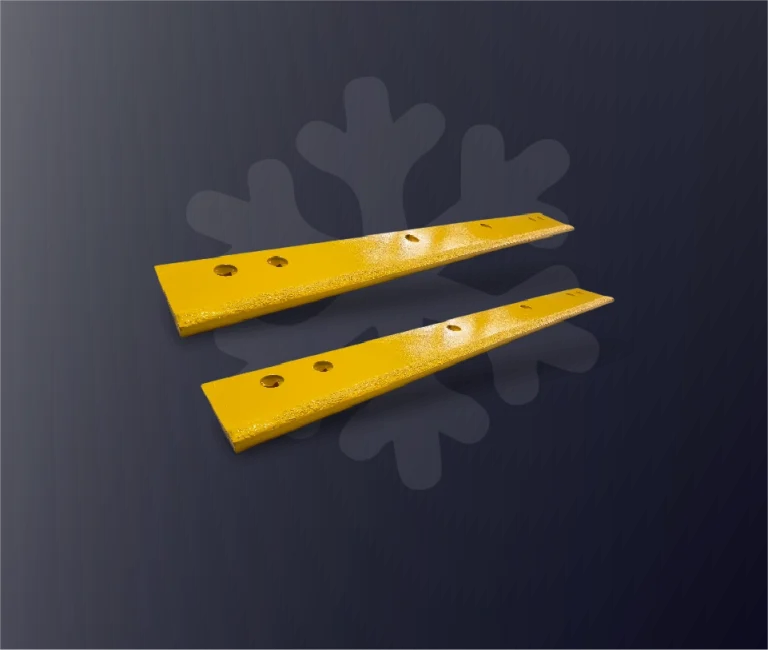
Verifying a plow blade’s bolt hole pattern — end offsets plus center-to-center spacing — is the fundamental compatibility baseline for cross-fleet fitment; a 10-foot or 12-foot blade with the wrong punch layout will not mount correctly even if the length matches. Standard AASHTO-style layouts typically use square, countersunk holes with 3-3-6-6 progressions or uniform 12-inch spacing.
(Last modified date: September 2, 2026)
Quick definition: Square holes prevent standard plow bolts from rotating during installation and service, keeping torque applied to the joint.
Key Takeaways
- Bolt hole patterns are defined by end offsets, hole count, and center-to-center spacing — not blade length alone.
- AASHTO-style layouts use square, countersunk holes matched to standard plow-bolt hardware.
- Tighter spacing near the outer edges secures the highest-wear zones of the blade.
- Modular segmented blades let one standardized section fit multiple fleet brands.
The Operational Pressure Behind Blade Fitment
Winter maintenance operations face continuous pressure to minimize downtime, optimize labor, and reduce recurring replacement costs. Procuring high-quality wear parts is a strategic decision that directly affects total cost of ownership. SENTHAI addresses these challenges with precision-engineered carbide blades and wear parts from Thailand, backed by over 21 years of manufacturing experience and ISO 9001/14001 certification. In field conditions, bolt hole pattern alignment governs installation speed, wear performance, and seasonal route readiness. Fully automated production guarantees repeatable physical tolerances, so inventory managers can plan changeouts with confidence. See how procurement teams verify AASHTO hole geometry and bolt specs.
Understanding the Anatomy of a Bolt Hole Pattern
A common sourcing mistake is isolating total blade length from the underlying punch layout. The true compatibility factor is the precise combination of end offsets and center-to-center spacing across the full structural run. In North American highway and municipal applications, AASHTO-style hole layouts serve as the benchmark. These patterns typically rely on square, countersunk holes matched to standardized hardware profiles. A frequent standard is the 3-3-6-6 progression alongside uniform 12-inch center-to-center configurations. Tighter spacing near the outer edges secures the highest-wear zones, while standardized center spacing simplifies fleet stocking. See how precision-milled AASHTO bolt holes prevent shearing.
Standard Layouts by Equipment Class
| Equipment Class | Typical Pattern | Hardware |
|---|---|---|
| Highway/municipal plows | 3-3-6-6 or uniform 12-inch spacing | Square-shank plow bolts, countersunk |
| Wing plows | Custom end offsets per moldboard | Grade 8 hardware |
| ATV/UTV blades | Compact patterns, 4–8 holes | Metric or SAE per brand |
Why Mechanical Details Matter: Square Holes and Countersinks
Square holes prevent standard plow bolts from rotating during installation and service, keeping torque applied to the joint. Countersinks let the bolt head sit flush so the cutting surface stays clean and wear remains uniform. Round or slotted holes may ease alignment but reduce retention and invite shearing under load. Choose hardware grade to match the moldboard spec — see choosing carbide inserts for hardened steel for the material pairing logic.
Field Measurement Methodology
- Measure the blade length from end to end.
- Record the distance from each end to the first hole center.
- Measure center-to-center spacing across all holes; note any pattern change (e.g., 3-3-6-6).
- Measure hole size and shape (round vs square) and countersink depth.
- Compare against the moldboard frame layout, not just the old blade.
Strategic Blade Selection Comparison
| Approach | Fitment Risk | Inventory Cost | Best For |
|---|---|---|---|
| Full-bar OEM pattern | Low | Higher | Single-brand fleets |
| Modular segments | Low | Lower | Cross-brand fleets |
| Field-drilled blades | High | Lowest | Emergency only |
Modular Sections and Cross-Fleet Standardization
Modular carbide segments standardize one section design across multiple moldboard brands, reducing SKUs and improving changeout speed. Because a damaged segment is replaced instead of the full bar, modular systems also cut waste and mid-storm downtime. See why carbide edges beat steel for winter roads and the carbide cutting edge selection guide.
Installation Integrity and Sourcing Guidance
Torque hardware to spec in the correct sequence, replace worn bolts rather than reusing them, and verify segment alignment before the first pass. Source from manufacturers that provide certified hole geometry and tolerance data. SENTHAI’s automated production delivers repeatable AASHTO-compatible patterns for municipal and commercial fleets. See SENTHAI’s corporate profile.
FAQs
What is the standard AASHTO bolt hole pattern for snow plow blades?
Common AASHTO-style layouts use square, countersunk holes with a 3-3-6-6 progression or uniform 12-inch center-to-center spacing, with end offsets per moldboard.
How do you measure a plow blade hole spacing for a replacement order?
Measure end offsets to the first hole, then center-to-center spacing across all holes, plus hole size, shape, and countersink depth.
What is the difference between 3-3-6-6 and uniform 12-inch spacing?
3-3-6-6 adds tighter spacing near the outer edges to secure high-wear zones; uniform 12-inch spacing simplifies stocking across fleets.
Why are square holes used instead of round holes?
Square holes prevent plow bolts from rotating, keeping joints tight and preventing shearing under load.
Can modular replacement segments fit different fleet brands?
Yes — modular segments are designed to a standardized pattern so one section fits multiple brands and reduces inventory.
Related Articles
- AASHTO Standard Plow Blades: Procurement Verification
- Precision-Milled AASHTO Bolt Holes
- Carbide Cutting Edge Selection Guide
- Carbide vs Steel Edges for Winter Roads
Official Resources
- SENTHAI — Corporate Profile
- SENTHAI — Carbide Snow Plow Blades
- SENTHAI — Contact for Bolt Pattern Verification
References
- AASHTO hardware and blade fitment standards for highway plows.
- SENTHAI product tolerance and hole-geometry documentation, 2026.
Related articles
 Optimizing Winter Fleets: The Definitive Guide to Kueper Plow Blades Substitute Systemsinfo
 Sourcing a Credible Kennametal Snow Plow Blades Equivalent: The Metallurgical and Operational Guideinfo
 Polarflex Plow Blade Replacement: The Engineered Sourcing Guide for Peak Fleet DurabilityinfoBeyond OEM Lock-In: Modern Fleet Guide to Cutting-Edge Plow Blade Alternativesinfo