




AASHTO Standard Plow Blades: How Procurement Teams Verify Hole Geometry, Bolt Specs, and Fleet Fit
AASHTO standard plow blades look simple on a bid sheet, but the real risk is geometry: if the hole pattern, bolt diameter, countersink shape, or edge thickness is even slightly off, a “standard” blade…
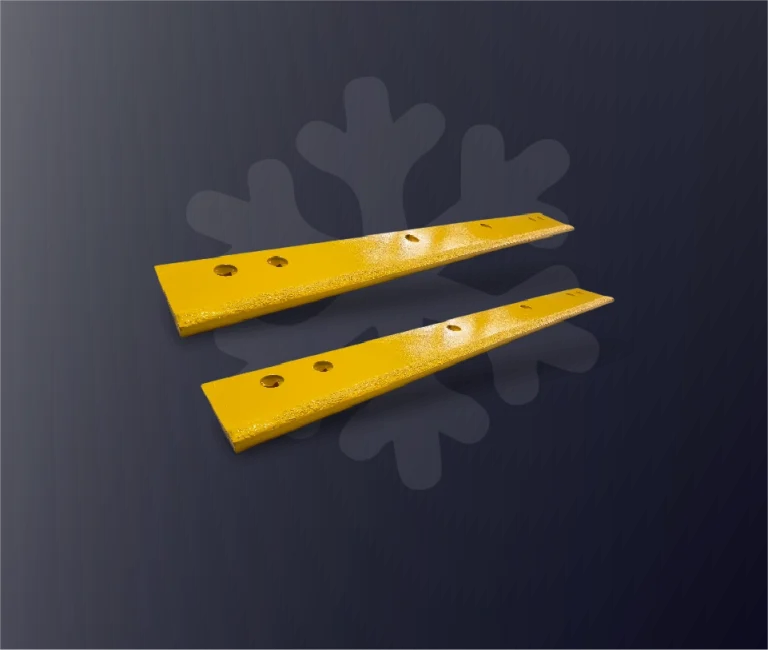
AASHTO standard plow blades look simple on a bid sheet, but the real risk is geometry: if the hole pattern, bolt diameter, countersink shape, or edge thickness is even slightly off, a “standard” blade becomes an installation delay in the yard, depot, or on the route. Procurement teams must verify the punch pattern, hardware, and mounting expectations before winter pressure starts.
(Last modified date: September 2, 2026)
Quick definition: In procurement language, AASHTO standard plow blades usually refer to highway cutting edges built around common hole spacing and hole sizes rather than a single universal blade.
Key Takeaways
- The classic AASHTO pattern is 3″-3″-6″-6″, but exact first-hole position and end spacing vary by agency spec.
- Verify hole spacing, bolt diameter (5/8″ or 3/4″), hole shape, thickness, centerline tolerance, and section length.
- Thickness changes the centerline relationship and hardware fit — it interacts with punch geometry.
- A blade can be “AASHTO standard” and still fail to interchange across mixed fleets.
What “Standard” Usually Means in Practice
In procurement language, AASHTO standard plow blades usually refer to highway cutting edges built around common hole spacing and hole sizes rather than a single universal blade. The most familiar pattern is the classic 3″-3″-6″-6″ layout, but agencies still need to confirm the exact first-hole position, centerline location, and end spacing used in their own specs. Treat the standard as a geometry system, not a brand name. Verify blade length, thickness, hole type, and whether the spec calls for flat or curved sections, because those details affect where holes land relative to the gauge line. See how to install a JOMA blade on any plow.
The Measurements That Matter Most
| Specification Item | What to Verify | Why It Matters |
|---|---|---|
| Hole spacing | Exact pattern, e.g., 3″-3″-6″-6″ or approved variation | Prevents mismatch with existing mounts |
| Bolt hole diameter | 5/8 inch or 3/4 inch | Hardware mismatch stops installation |
| Hole shape | Square, countersunk square, or other | Affects bolt seating and anti-rotation |
| Blade thickness | 1/2″, 5/8″, 3/4″, or 7/8″ | Changes centerline and hardware fit |
| Centerline tolerance | Allowed deviation across full length | Prevents tolerance stack-up |
| Section length | 3-foot, 4-foot, or longer | Changes punch layout and handling |
See AASHTO highway hole punching product range.
How to Verify an Existing Blade
- Measure the blade length end to end.
- Record the distance from each end to the first hole center.
- Measure center-to-center spacing across all holes.
- Confirm hole diameter and shape with calipers.
- Measure thickness at multiple points.
- Compare against the agency’s spec sheet, not just the old blade.
Why Thickness and Punch Geometry Interact
Thickness changes where the holes sit relative to the gauge line and how bolts seat in countersinks. A 7/8″ blade with a 5/8″ punch pattern may not mount on a moldboard built for 3/4″ blades, even if the hole spacing matches. Always verify both together. See how AASHTO hole punching fits seamless fleet retrofit.
Flat, Curved, and Specialty Sections
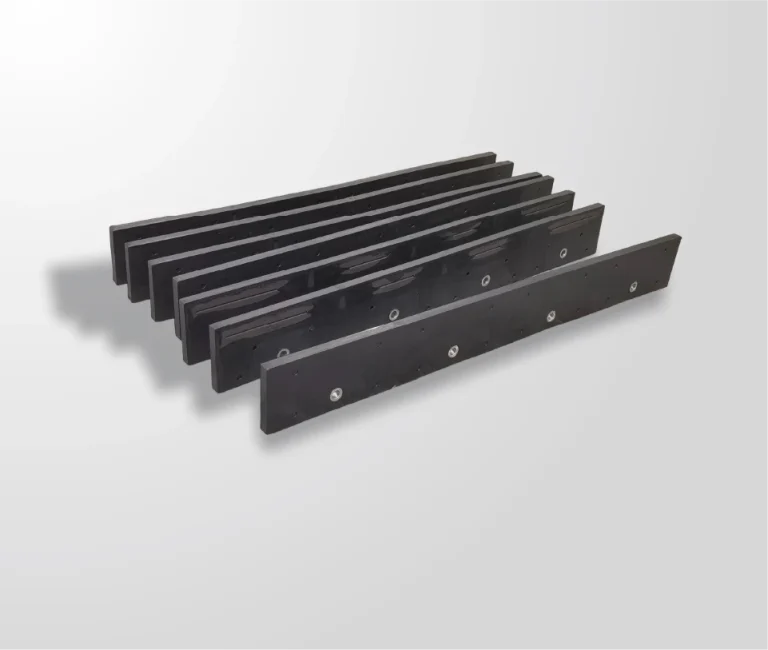
Flat sections suit general highway duty; curved sections match moldboard radius for better contact; specialty sections serve wings and underbody scrapers. The punch pattern must be specified per section type — one pattern rarely fits all.
The Hidden Cost of Low-Price Bidding
A blade that fails fitment costs more than the price difference: installation labor, route delays, and potential damage to the moldboard. Bid evaluations should score geometry verification, tolerance data, and field-fit records alongside unit price.
Where SENTHAI Fits
SENTHAI manufactures AASHTO-compatible carbide blades with documented hole geometry, and accepts custom CAD drawings for mounting patterns. Automated production ensures repeatable tolerances across sections and mixed fleets. See submit custom CAD drawings for mounting patterns and carbide blade care in salt environments.
A Bid-Writer Checklist
- State the exact hole pattern and first-hole position.
- Specify bolt diameter and hole shape.
- Require thickness and centerline tolerance data.
- Demand sample verification or certified drawings.
- Include a field-fit trial clause before full delivery.
See off-season care for long-life cutting edges.
FAQs
What is the standard AASHTO bolt hole pattern?
The classic pattern is 3″-3″-6″-6″, but agencies often specify variations; confirm exact first-hole position and end spacing.
What bolt diameter do AASHTO blades use?
Common specs call for 5/8-inch or 3/4-inch holes; verify the hardware grade as well.
Why does a “standard” blade sometimes not fit?
Because “standard” is a geometry system, not one universal blade — hole position, thickness, and centerline tolerance all vary by spec.
Can SENTHAI make custom punch patterns?
Yes — SENTHAI accepts custom CAD drawings for mounting patterns and produces AASHTO-compatible blades with documented tolerances.
Related Articles
- JOMA Universal Adapter Guide
- AASHTO Hole Punching and Fleet Retrofit
- Carbide Blade Care in Salt Environments
- Off-Season Care for Carbide Edges
Official Resources
References
Related articles
 Best Snow Plow Blade Family for Your Fleet: Top 5 ScenariosKnowledge
 Top 10 Snow Plow Blade Types for Winter Fleets (Ranked by Duty Fit)Knowledge
 Top 5 Best Carbide Blade Configurations for Highway PlowingKnowledge
 Best Snow Plow Blade Materials Ranked: Steel vs Carbide vs Cladding vs Rubber-CarbideKnowledge