




Tungsten Carbide Reinforced vs Carbon Steel Snow Plow Cutting Edge 2026 Review
Tungsten carbide reinforced snow plow cutting edges outperform traditional carbon steel in demanding winter conditions — this 2026 performance review delivers a side-by-side analysis of wear rates, noise, vibration, and surface finish. Carbide edges…
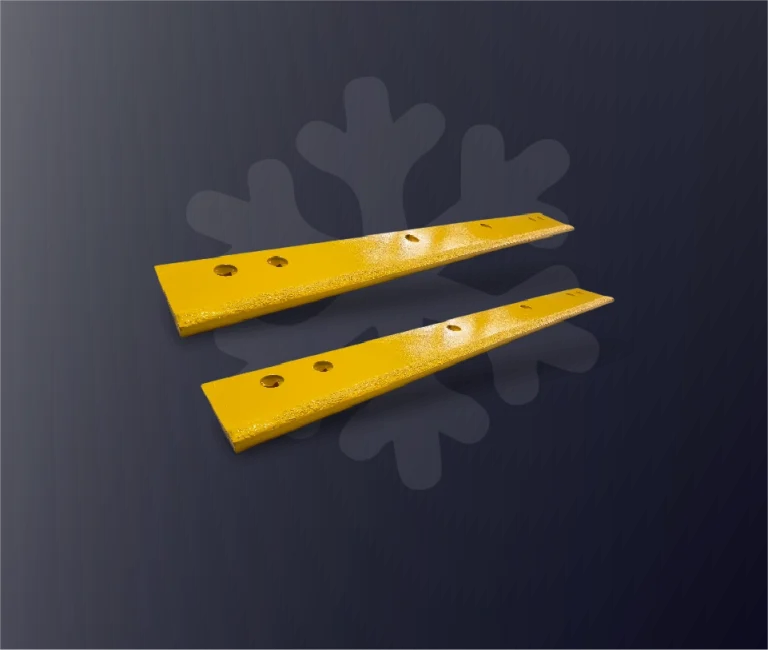
Tungsten carbide reinforced snow plow cutting edges outperform traditional carbon steel in demanding winter conditions — this 2026 performance review delivers a side-by-side analysis of wear rates, noise, vibration, and surface finish. Carbide edges achieve 90–92 HRA hardness versus carbon steel’s 50–60 HRC, with independent tests showing up to 500% better wear resistance.
(Last modified date: September 2, 2026)
Quick definition: Tungsten carbide reinforced cutting edges integrate ultra-hard tungsten grains with cobalt binders, sintered for maximum abrasion resistance, achieving 90–92 HRA hardness — far surpassing carbon steel’s 50–60 HRC.
Key Takeaways
- Carbide edge adoption surged 35% among municipal and highway departments in the 2025–2026 winter season.
- Carbide edges last 150–500% longer than steel and reduce downtime by 40% versus steel alternatives.
- Ultra-hard tungsten grains with cobalt binders, sintered and CNC-brazed, keep inserts secure under impact.
- Carbide edges run quieter (20–30% less road hum) and reduce operator fatigue by 40%; see the carbide cutting edge buyer’s guide.
Core Technology Breakdown
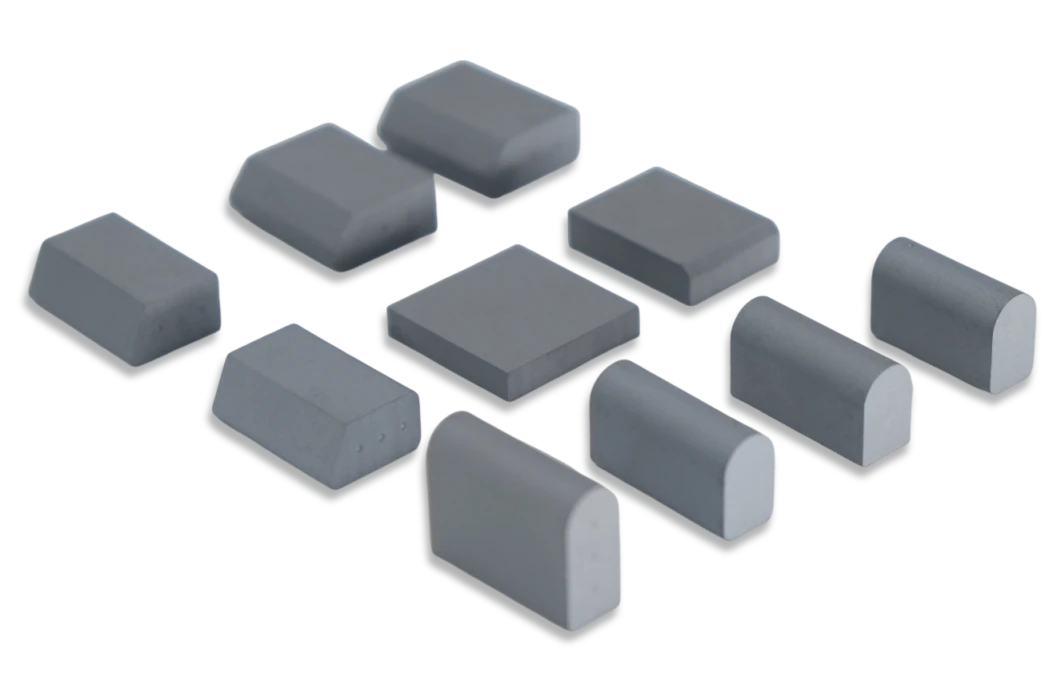
Tungsten carbide reinforced cutting edges integrate ultra-hard tungsten grains with cobalt binders, sintered for maximum abrasion resistance, achieving 90–92 HRA hardness — far surpassing carbon steel’s 50–60 HRC. Advanced bonding via CNC-guided brazing ensures inserts stay secure under impact, unlike steel prone to chipping. Carbon steel relies on heat treatment for hardness but lacks carbide’s shock absorption from optimized grain structure; carbide edges feature bull-nose profiles for clean scraping, while steel edges deform faster on pavement contact. See also how to install a carbide-insert cutting edge and impact resistance vs hardness.
Side-by-Side Performance Comparison
| Metric | Tungsten carbide reinforced | Traditional carbon steel | Score (carbide/steel) |
|---|---|---|---|
| Wear rates | Lasts 150–300+ hours longer per season; minimal salt/sand abrasion | Wears 3–15× faster on abrasive surfaces | 10/10 vs 4/10 |
| Noise levels | Quiet with rubber buffers; 20–30% less road hum | High scraping racket | 9/10 vs 5/10 |
| Vibration | Low vibration; reduces fatigue 40% | High jolts on uneven terrain | 9.5/10 vs 6/10 |
| Surface finish | Razor-sharp, smooth roads, no gouging | Dulls quickly, leaves ridges | 10/10 vs 5/10 |
| Initial price | Higher upfront cost | Lower entry price | 7/10 vs 10/10 |
See also rubber vs steel vs rubber-encased carbide edges and which straight-blade edge lasts longer.
Real User Cases and ROI Insights
Carbide solutions show up to 500% better wear resistance in independent tests and reduce downtime by 40% compared to steel. Fleets prioritizing total cost savings over initial outlay are shifting to modular carbide blades, with precision brazed inserts addressing rising fuel and labor costs. See also premium tungsten carbide vs steel and precision engineered carbide inserts.
FAQs
How much longer do tungsten carbide snow plow cutting edges last?
Field data shows 150–500% more hours than carbon steel, depending on conditions.
Are high-performance carbide-insert cutting edges noisier?
No — they run quieter with integrated buffers, reducing operator fatigue.
What’s the best snow plow carbide edge for highways?
Segmented tungsten carbide reinforced models excel in wear and finish.
Do carbide edges damage roads more?
They provide superior surface finish, preventing gouges common with dull steel. See also how to set back-blade height on gravel roads and truck vs pickup cutting edge specs .
Related Articles
- Tungsten Carbide Reinforced Cutting Edge Buyer’s Guide
- Installing a Carbide-Insert Cutting Edge
- Rubber vs Steel vs Rubber-Encased Carbide Edges
- Which Straight-Blade Edge Lasts Longer?
- Precision Engineered Carbide Inserts
Official Resources
References
Related articles
 How to Select a Rear Snow Plow Blade for Professional Snow RemovalHot Products
 What John Deere Snow Plow Blade Sizes Fit 1-5 Series Tractors?Hot Products
 How to Set Back Blade Snow Plow Height on Gravel Roads?Hot Products
 How Does HRA Hardness in Tungsten Carbide Snow Plow Blades Handle High-Speed Impacts?Hot Products