




Professional Carbide Contractors: Complete Guide to Snow Plow Blades and Road Wear Parts
Professional carbide contractors have become essential partners for municipalities, DOT fleets, and private snow and ice management companies that need maximum uptime, safer roads, and predictable maintenance budgets. They specialize in specifying, sourcing, and…
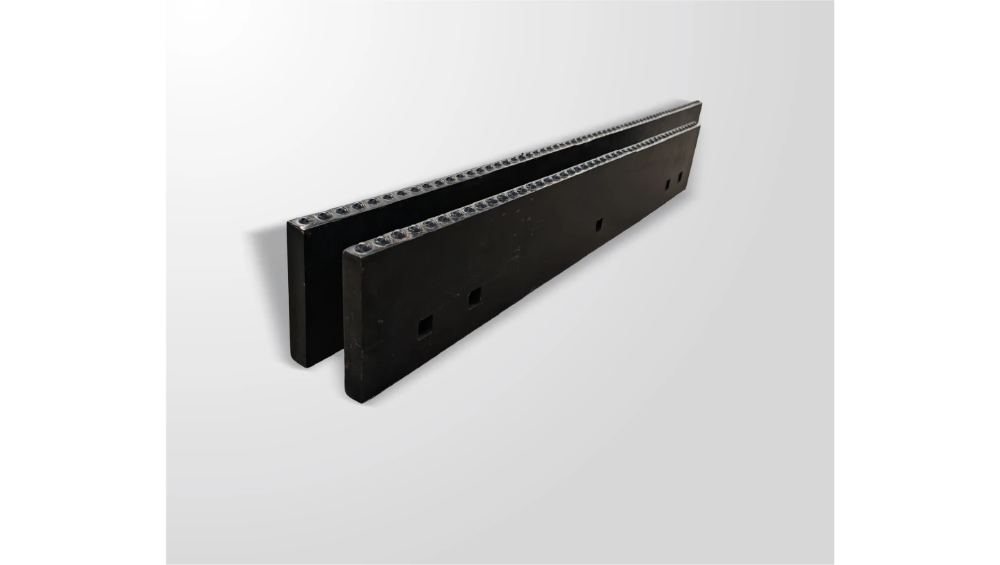
Professional carbide contractors have become essential partners for municipalities, DOT fleets, and private snow and ice management companies that need maximum uptime, safer roads, and predictable maintenance budgets. They specialize in specifying, sourcing, and deploying carbide snow plow blades, carbide-tipped cutting edges, and carbide wear parts — matching systems to local conditions such as packed snow, ice, abrasives, and road surface type, then supporting fleets through the season.
(Last modified date: August 31, 2026)
Key Takeaways
- Professional carbide contractors combine field experience, engineering insight, and blade wear data to design cost-effective snow and ice control programs.
- Fleets are shifting from steel edges to carbide blades that last many times longer, driven by lifecycle-cost analysis (cost per lane-mile, cost per hour, change frequency).
- JOMA-style and I.C.E. blades pay off on high-priority routes and noise-sensitive urban streets with long life, quiet operation, and consistent scraping.
- Most plow trucks can run carbide blades with correct dimensions, hole patterns, and mounting hardware; see the carbide blade manufacturer guide.
What Professional Carbide Contractors Actually Do
Professional carbide contractors evaluate plow trucks, underbody scrapers, graders, and spreaders, then match carbide blade systems, inserts, and accessories to local conditions. Their work covers highway plow fleets, city streets, airport runways, industrial sites, rural roads, and private facilities. The best contractors combine field experience, engineering insight, and data on blade wear rates to design cost-effective snow and ice control programs. See also the complete 2026 carbide snow clearing guide and the icy-road blade guide.
Market Trends in Carbide Blades and Wear Parts
Demand for professional carbide contractors is growing as road agencies face tighter budgets, labor shortages, and pressure to keep roads open during more frequent extreme weather. Many fleets are shifting from standard steel cutting edges to carbide blades that last significantly longer and reduce downtime. Global market studies for winter road maintenance and carbide wear parts show increasing adoption of tungsten carbide blades, road milling picks, and carbide inserts as agencies move from initial purchase price to lifecycle-cost analysis. DOTs and large contractors now track cost per lane-mile, cost per hour of plowing, and blade change frequency, which consistently favor high-quality carbide systems.
How Contractors Select the Right Blade
- Document current plow blades, routes, and storm history.
- Compare maintenance costs and blade change frequency against carbide system data.
- Match blade architecture (standard carbide, JOMA-style, I.C.E.) to the dominant route problem.
- Verify dimensions, hole patterns, and mounting hardware for each plow model.
- Run a pilot on the most demanding routes, then standardize across the fleet.
See also carbide insert grades and dimensional tolerances and how to design a carbide pilot program.
Core Technology: Tungsten Carbide, Bonding, and Segment Design
The carbide grade used in snow plow inserts is optimized for abrasive wear; bonding strength determines whether inserts stay locked under impact; and segment design (rigid vs rubber-encased) determines how the edge meets the road. Professional contractors verify these three dimensions before deployment. See the bonding strength guide, superior carbide bonding, and tungsten carbide wear parts as the backbone of plow equipment.
Cost, ROI, and Total Cost of Ownership
Carbide blades cost more upfront but reduce change frequency, downtime, and labor; lifecycle analysis consistently favors carbide on cost per lane-mile and cost per hour. JOMA-style and I.C.E. blades add value on noise-sensitive and road-protection-sensitive routes. Professional contractors quantify the gain with fleet data before recommending a full rollout. See also wear-resistant carbide blades for long-life plows and ISO-certified carbide quality.
How Contractors Support Fleets After Installation
Professional contractors typically monitor performance, inspect blade wear, and adjust product selection as needed. Many train operators and mechanics, assist with pre-season planning, and help forecast blade and wear part needs to avoid stockouts during storms. See also safety protocols for carbide plow edges and how manufacturers decode DOT specs for RFPs.
Common Questions
What is a professional carbide contractor?
A specialized service provider who helps fleets select, implement, and maintain carbide snow plow blades, road maintenance wear parts, and milling tools, combining product knowledge with field experience to maximize blade life and road safety.
Why use carbide snow plow blades instead of standard steel?
Carbide blades last many times longer than steel, maintain a sharper cutting profile, and reduce blade changes during a season — lowering maintenance costs, increasing route uptime, and improving snow and ice control.
Are JOMA-style blades and I.C.E. blades worth the investment?
Yes, especially on high-priority routes, urban streets, and areas where noise and road surface protection matter. Their flexible, segmented designs deliver long life, quiet operation, and consistent scraping that justify the higher purchase price.
How do professional carbide contractors support fleets after installation?
They monitor performance, inspect blade wear, adjust product selection, train operators and mechanics, assist with pre-season planning, and help forecast wear-part needs to avoid stockouts.
Can carbide blades be used on all types of plow trucks?
Most plow trucks can be equipped with carbide blades provided the correct dimensions, hole patterns, and mounting hardware are selected. Professional contractors verify compatibility and recommend hardware upgrades when needed.
Related Articles
- Carbide Blade Manufacturer Guide: Snow Plow, Road, and Industrial Cutting Solutions
- Carbide Snow Clearing Blades and Technology: The Complete 2026 Guide
- Long Life Carbide Blades: The Complete Guide
- I.C.E. Road Wear Blades: Complete Guide
- Carbide Insert Grades and Dimensional Tolerances
- What Are Safety Protocols for Carbide Plow Edges?
Official Resources
- SENTHAI — Carbide Snow Plow Blade
- SENTHAI — JOMA-Style Blade
- SENTHAI — Contact a Professional Carbide Contractor
References
Related articles
 Carbide Corrosion Resistance: Complete Guide to Materials, Grades, and Real-World Performance2026
 Snow Plow Carbide Blades: Durability, Performance, and Market Evolution2026Sustainable Road Carbide Solutions For Greener, Longer-Lasting Highways2026Superior Carbide Bonding for Snow Plow Blades and Roadwear Parts2026