




How does the rotation of a carbide pick maintain its sharpness during use?
Rotating carbide picks are self-sharpening wear parts: as the pick wears during operation, asymmetrical force on the carbide tip makes the pick rotate slightly in its socket, presenting a fresh, unworn edge to the…
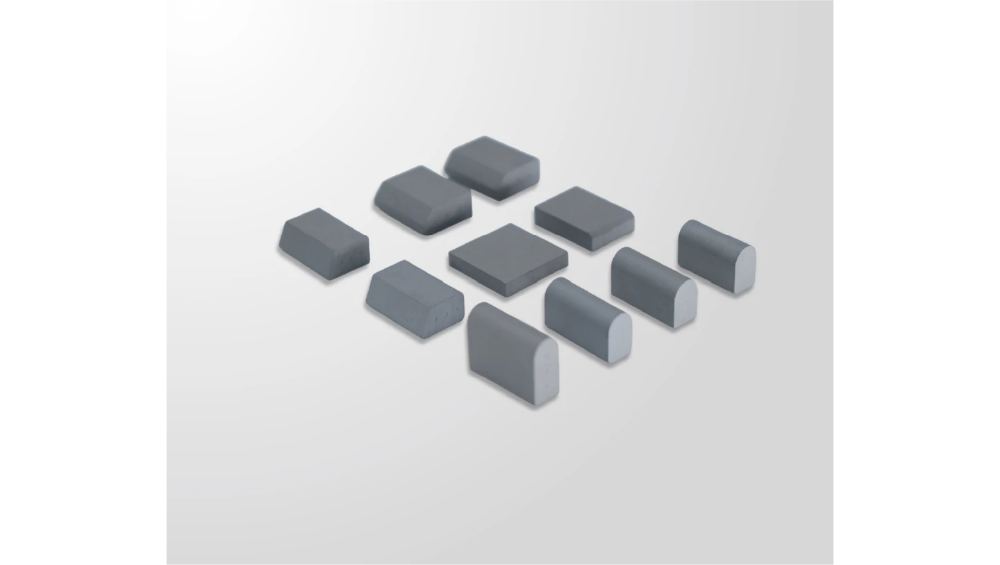
Rotating carbide picks are self-sharpening wear parts: as the pick wears during operation, asymmetrical force on the carbide tip makes the pick rotate slightly in its socket, presenting a fresh, unworn edge to the work surface. Used in road milling and mining, this passive mechanism turns wear into the driver of longevity — distributing wear evenly around the carbide insert, maintaining cutting efficiency, and dramatically extending service life versus fixed picks.
(Last modified date: August 31, 2026)
Key Takeaways
- Uneven wear on the carbide tip generates torque that rotates the pick, continuously renewing the cutting edge — a self-sharpening loop driven by operating forces.
- Rotation requires an integrated system: a symmetrical pick body, a retention ring or spring, and a socket with controlled clearance; fixed blocks cannot rotate picks.
- Rotating picks lower total cost per ton through longer tool life, less fuel, lower machine wear, and less downtime.
- Replace picks when carbide wears to the steel body or chips severely; clean block sockets during tool changes; see carbide ROI guidance.
How the Self-Sharpening Mechanism Works
The self-sharpening action is a mechanical process driven by the forces of operation. As the pick contacts the hard material, the asymmetrical wear on its carbide tip creates an uneven force distribution. This imbalance causes the pick to rotate slightly within its socket, bringing a new, unworn section of the carbide insert into the cutting position — effectively renewing the edge. The pick body sits in a specialized block with a retaining ring, not a rigid lock, which allows controlled rotation. The carbide tip, often conical or hemispherical and brazed into a steel body at a specific angle, wears faster on its leading edge; that uneven wear profile generates torque, and the socket clearance lets the pick turn incrementally. The process is continuous, keeping the cutting point relatively sharp and distributing wear evenly around the entire carbide insert. If the pick were welded solid, it would develop a severe flat spot, increasing drag and power consumption until premature failure.
Key Design Features That Enable Rotation
- Pick body geometry: a symmetrical cylindrical body with a groove for a snap ring or a flange that sits against a spring.
- Carbide tip shape: conical or hemispherical tips promote torque generation and even wear distribution.
- Socket design: controlled clearance in the block holder allows rotation while holding the pick axially.
- Retention system: a spring or ring secures the pick without fully locking it.
See also why the 1/8-inch gap rule matters for JOMA sections and how procurement can shift from blade price to total seasonal cost.
Performance Benefits of Rotating Picks Over Fixed Picks
| Factor | Fixed pick | Rotating pick |
|---|---|---|
| Edge maintenance | Flat spots, drag, power loss | Self-sharpening, even wear |
| Carbide utilization | One wear zone | Full circumference |
| Service life | Shorter | Dramatically longer |
| Fuel/power consumption | Higher as edge dulls | Lower, consistent |
| Cost per ton processed | Higher | Lower |
Maintenance and Inspection Protocols
Replace a rotating pick when the carbide tip is worn down to the steel body, or when it is severely chipped or broken. A good rule is to replace picks once the exposed steel behind the carbide becomes visibly engaged in cutting — running beyond this point accelerates wear on the block socket and drastically increases cutting resistance. The most common causes of a pick stopping rotation are a damaged or packed block socket filled with compacted material, a failed retention spring, or a mechanically locked pick from a deformed steel body. Regular cleaning of block sockets during tool changes is essential.
Frequently Asked Questions
Can I use rotating picks in my existing fixed pick blocks?
No. Rotating picks require specially designed blocks or holders with precise socket clearance and a retention spring system that allows the pick to turn while held axially. Fixed blocks will cause the pick to seize or fail prematurely.
How do I know when to replace a rotating pick?
Replace when the carbide tip is worn down to the steel body, or severely chipped or broken. Replace once exposed steel behind the carbide becomes visibly engaged in cutting.
What causes a rotating pick to stop turning?
Most commonly a damaged or packed block socket, a failed retention spring, or a pick locked by a deformed steel body from extreme impact. Clean sockets during tool changes to prevent this.
Are rotating picks worth the higher initial cost?
Yes, when evaluating total cost of ownership: extended tool life, reduced fuel consumption, lower machine wear, less downtime, and better milled material quality almost always result in a lower cost per ton processed.
Related Articles
- How Can Carbide Plow Blade ROI Justify the Upgrade Cost for Winter Fleets?
- Why Is the 1/8-Inch Gap Rule Critical for Mounting JOMA Blade Sections?
- How Can Procurement Shift from Blade Price to Total Seasonal Cost?
Official Resources
References
Related articles
 Best Snow Plow Blade Family for Your Fleet: Top 5 ScenariosKnowledge
 Top 10 Snow Plow Blade Types for Winter Fleets (Ranked by Duty Fit)Knowledge
 Top 5 Best Carbide Blade Configurations for Highway PlowingKnowledge
 Best Snow Plow Blade Materials Ranked: Steel vs Carbide vs Cladding vs Rubber-CarbideKnowledge