




How do isolated carbide I.C.E. edges transform packed ice removal?
Isolated carbide I.C.E. edges transform packed ice removal by concentrating impact through independent carbide “buttons” mounted on spring or rubber dampers — fracturing dense ice layers without continuously scraping the road surface. This architecture…
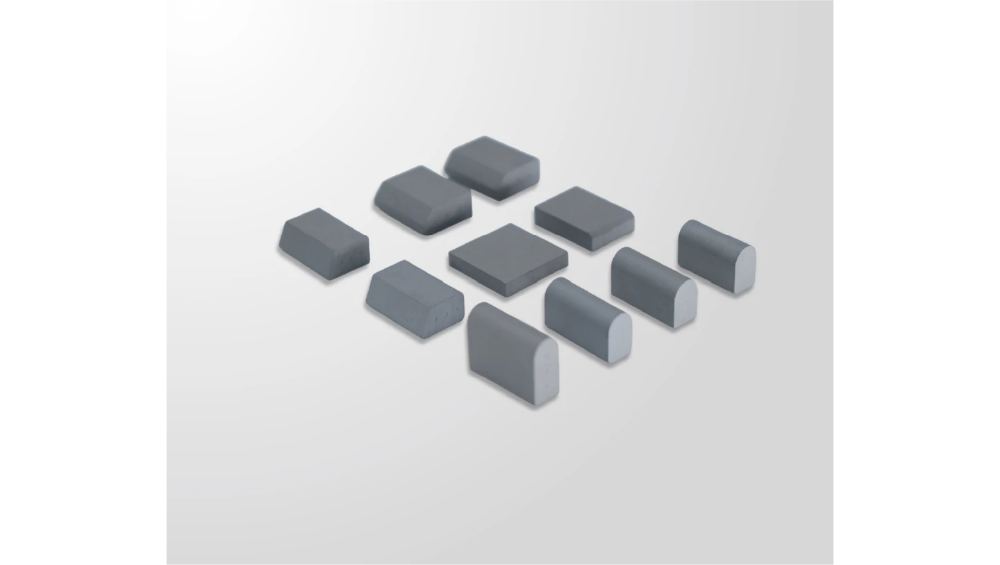
Isolated carbide I.C.E. edges transform packed ice removal by concentrating impact through independent carbide “buttons” mounted on spring or rubber dampers — fracturing dense ice layers without continuously scraping the road surface. This architecture lowers vibration, noise, and carrier stress, giving highway fleets higher speed, longer life, and safer, more predictable winter maintenance.
(Last modified date: August 31, 2026)
Key Takeaways
- I.C.E. geometry localizes contact into multiple point loads that punch and fracture packed ice instead of relying on a continuous scraping line.
- Vertical compliance is relocated into spring or rubber modules, not the carrier or truck frame, reducing shock transfer.
- Carbide domes use a defined protrusion height and attack angle, typically 5–10 degrees steeper than conventional edges.
- Quantify benefits by tracking pass count, residual ice thickness, and truck downtime; see black ice vs packed ice edge selection.
What Makes I.C.E. Edges Fundamentally Different
Isolated carbide I.C.E. edges use separated, ball-shaped carbide inserts mounted in individual damping units, while traditional blades use a continuous straight steel or carbide edge. Three structural changes define the difference: the contact pattern changes from a continuous line to a discrete “impact grid” of carbide domes; vertical compliance is relocated into spring or rubber modules; and the wear path follows concentrated impact craters in the carbide instead of even edge thinning. SENTHAI configures the modules so each carbide dome has a defined protrusion height and attack angle, typically 5–10 degrees steeper than conventional edges, allowing the dome to bite into glazed ice at highway speeds without rolling or chattering. See also is an OEM carbide blade right for your needs and JOMA vs standard blades.
Spring vs Rubber Damping
Spring modules provide sharper, more aggressive energy return for high-speed fracture; rubber modules deliver smoother, quieter absorption for mixed and urban routes. The choice depends on the route mix, dome geometry, and downforce configuration.
Why I.C.E. Kits Improve Highway Safety and Lifecycle Cost
For highway fleets, I.C.E. systems deliver higher effective removal of heavily compacted ice with fewer passes, lower driver fatigue from reduced vibration, and a wider acceptable speed envelope before chatter begins. Modular replacement of worn domes reduces lifecycle cost versus replacing entire blades. See also sourcing carbide inserts from Thailand.
Design Parameters for I.C.E. Kits
- Dome protrusion height and attack angle (5–10 degrees steeper than conventional).
- Module stiffness (spring vs rubber) matched to route speeds.
- Carrier bolt pattern and moldboard curvature for retrofit fit.
- Wear indicators and replacement procedures for fleet technicians.
Frequently Asked Questions
Track pass count, residual ice thickness, and truck downtime before and after deployment; telematics data on speed, vibration, and blade position combined with accident statistics gives a hard ROI picture. SENTHAI often supports OEMs in building pilot programs.
Can isolated carbide modules be retrofitted onto existing plows?
Yes — most modules can be adapted using carrier bars matched to the plow’s bolt pattern and moldboard curvature; SENTHAI supplies OEM-style retrofit kits including mounting hardware and setup guidelines.
Are I.C.E. blades suitable for mixed routes with both city streets and highways?
Yes, if module stiffness and dome geometry are tuned to avoid excessive pavement wear at lower speeds; many fleets run a compromise configuration that outperforms traditional blades on packed ice while remaining gentle on urban streets.
Do modular I.C.E. systems increase maintenance complexity?
Modular systems change maintenance patterns but don’t necessarily increase complexity — workshops replace worn modules during scheduled service windows instead of replacing entire blades, supported by clear wear indicators and procedures.
Related Articles
- Black Ice vs Packed Ice: Why Different Ice Demands Different Edges
- Is an OEM Carbide Blade the Right Choice?
- JOMA-Style vs Standard Blades
- Sourcing Carbide Inserts: Thailand Manufacturing
Official Resources
- SENTHAI — Premium I.C.E. Packed Ice Clearing Systems
- SENTHAI — Packed Ice Carbide Kit
- SENTHAI — Contact for I.C.E. Kits
References
Related articles
 Best Snow Plow Blade Family for Your Fleet: Top 5 ScenariosKnowledge
 Top 10 Snow Plow Blade Types for Winter Fleets (Ranked by Duty Fit)Knowledge
 Top 5 Best Carbide Blade Configurations for Highway PlowingKnowledge
 Best Snow Plow Blade Materials Ranked: Steel vs Carbide vs Cladding vs Rubber-CarbideKnowledge