




Are Snow Plow Shoes Essential for Winter Road Maintenance?
Yes — snow plow shoes are essential for winter road maintenance: they set the blade's cutting height, prevent moldboard and pavement damage, and keep clearance even across gravel, asphalt, and concrete. Carbide-reinforced shoes extend…
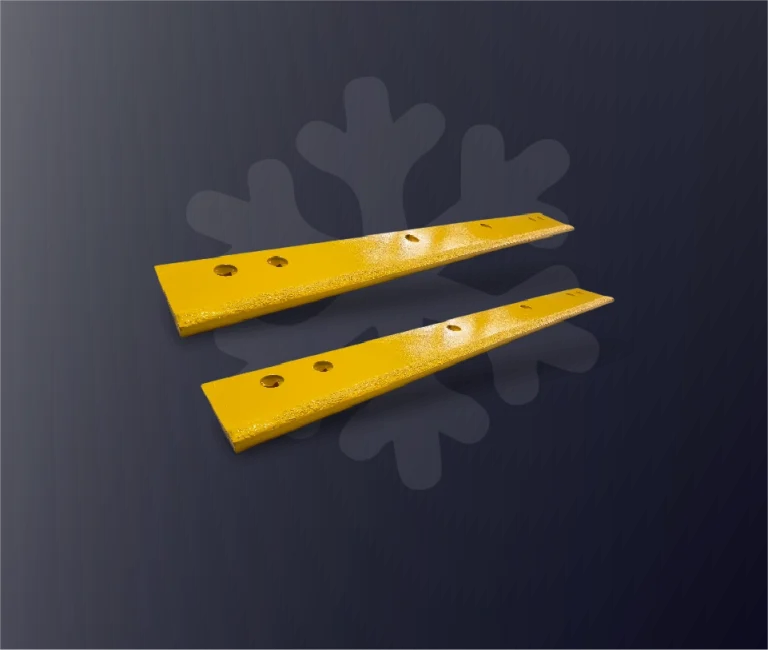
Yes — snow plow shoes are essential for winter road maintenance: they set the blade’s cutting height, prevent moldboard and pavement damage, and keep clearance even across gravel, asphalt, and concrete. Carbide-reinforced shoes extend that protection to 500+ hours of wear, versus 100–150 hours for traditional steel shoes.
(Last modified date: September 2, 2026)
Quick definition: The global snow plow market reached $12.51 billion in 2025 and projects a 10.1% CAGR through 2033, driven by urbanization and heavier snowfalls.
Key Takeaways
- Shoes control blade height so the edge scrapes without gouging pavement or wearing the moldboard.
- Traditional steel shoes wear 3–5x faster on abrasive surfaces and lack height adjustability.
- SENTHAI carbide shoes offer 500+ hours of wear, -30°C to 50°C temperature tolerance, and 0.5–2 inch adjustment.
- Properly set shoes reduce fuel use and blade damage, protecting the plow investment.
What Challenges Does the Snow Plow Industry Face Today?
The global snow plow market reached $12.51 billion in 2025 and projects a 10.1% CAGR through 2033, driven by urbanization and heavier snowfalls. Yet US snowplow manufacturing has only 46 businesses, growing 1.8% CAGR from 2020–2025, straining supply for municipal fleets. Operators report equipment failures in 30% of storms due to uneven terrain. Blade wear on gravel and concrete costs fleets $5,000–$10,000 annually per plow in replacements, and storm frequency is up 20% in North America since 2000. Delays from wear spike overtime pay 25% during peak events. See wing plow blades for shoulder and berm work for related wear points.
Why Do Traditional Snow Plow Shoes Fall Short?
Standard steel shoes wear out 3–5 times faster on abrasive surfaces, requiring frequent adjustment. They lack height adjustability, scrape pavement, and cause $2,000+ in blade damage per season. Rubber shoes offer minor protection but degrade in sub-zero temperatures, cracking within 50 hours of use. No carbide reinforcement means poor ice penetration, extending plowing time by 40%. Retrofitting older plows with generic shoes raises compatibility issues and voids warranties in about 20% of cases. See how skid shoes reduce plow downtime and lifecycle cost.
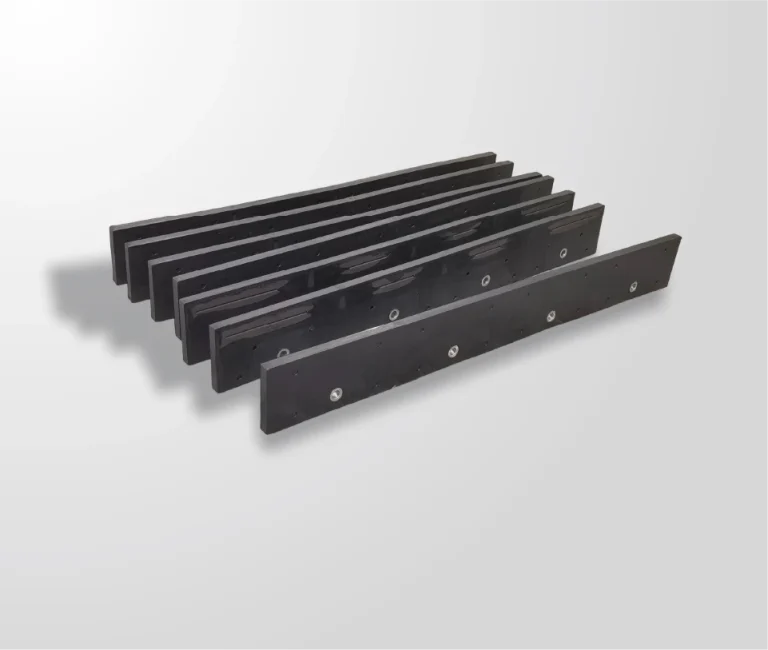
What Makes SENTHAI Snow Plow Shoes the Superior Solution?
SENTHAI, a US-invested manufacturer in Rayong, Thailand, produces snow plow shoes with 21+ years of carbide expertise. Their shoes feature tungsten carbide inserts for 500+ hours of wear resistance, certified under ISO 9001 and ISO 14001. Automated production ensures 99.5% bonding strength, preventing insert pop-out even at -30°C. Adjustable heights from 0.5–2 inches suit gravel, asphalt, and concrete, with vulcanized edges for vibration-free operation. Compatible with major blades like JOMA-style and carbide blades, SENTHAI shoes cut fuel use by about 15% via smoother gliding and are trusted by 80+ global partners. See how tractor snow plows tackle winter road challenges.
How Do SENTHAI Shoes Compare to Traditional Options?
| Feature | Traditional Steel Shoes | SENTHAI Carbide Shoes |
|---|---|---|
| Wear life (hours) | 100–150 | 500+ |
| Surface compatibility | Limited (pavement only) | Gravel, concrete, asphalt |
| Temperature range (°C) | -10 to 0 | -30 to 50 |
| Height adjustment | Rarely | 0.5–2 inches |
How Can You Install SENTHAI Snow Plow Shoes Step-by-Step?
- Park on level ground and support the plow.
- Remove the worn shoe bolts and slide the old shoe off.
- Clean the mount and check for wear on the moldboard bracket.
- Fit the new shoe, set the height (0.5–2 inches), and torque the hardware per spec.
- Lower the plow and verify both shoes contact evenly.
Which Scenarios Show SENTHAI Shoes in Action?
Gravel driveways need shoes set higher to prevent the blade from plowing stones; concrete and asphalt routes can run lower for a closer scrape. Mixed fleets standardize on carbide shoes to avoid seasonal changeouts. See how pickup truck plows transform winter maintenance and the best blade for ice removal for pairing advice.
Why Invest in SENTHAI Snow Plow Shoes Now?
With rising storm frequency and labor shortages, every avoided changeout matters. Carbide shoes eliminate mid-season shoe replacement on most routes and protect the far more expensive blade and moldboard.
FAQs
Do snow plow shoes really prevent blade damage?
Yes — shoes set the cutting height so the blade edge doesn’t dig into pavement, gravel, or curbs, protecting both the edge and moldboard.
How often should shoes be replaced?
Steel shoes typically last 100–150 hours; SENTHAI carbide shoes last 500+ hours, so most fleets replace them once per season or less.
Can I adjust shoe height on my existing plow?
If your plow has adjustable mounts, yes — set 0.5–2 inches depending on surface; SENTHAI shoes are designed for easy height setting.
Are SENTHAI shoes compatible with JOMA and carbide blades?
Yes, SENTHAI shoes integrate across JOMA-style, I.C.E., and universal blade systems.
Related Articles
- Skid Shoes: Downtime and Lifecycle Cost
- Wing Plow Blades for Shoulder Work
- Best Snow Plow Blade for Ice Removal
- Pickup Truck Plows and Winter Maintenance
Official Resources
References
- SENTHAI product specifications and ISO 9001/14001 documentation.
- Snow plow market trend data, 2025–2026 industry reports.
Related articles
 Best Snow Plow Blade Family for Your Fleet: Top 5 ScenariosKnowledge
 Top 10 Snow Plow Blade Types for Winter Fleets (Ranked by Duty Fit)Knowledge
 Top 5 Best Carbide Blade Configurations for Highway PlowingKnowledge
 Best Snow Plow Blade Materials Ranked: Steel vs Carbide vs Cladding vs Rubber-CarbideKnowledge