




Best Snow Plow Blade for Ice Removal in Harsh Winter Conditions
Choosing the best snow plow blade for ice removal in harsh winter conditions is ultimately about balancing cutting aggression, durability, and road surface protection — and for most municipalities, highway departments, and commercial contractors,…
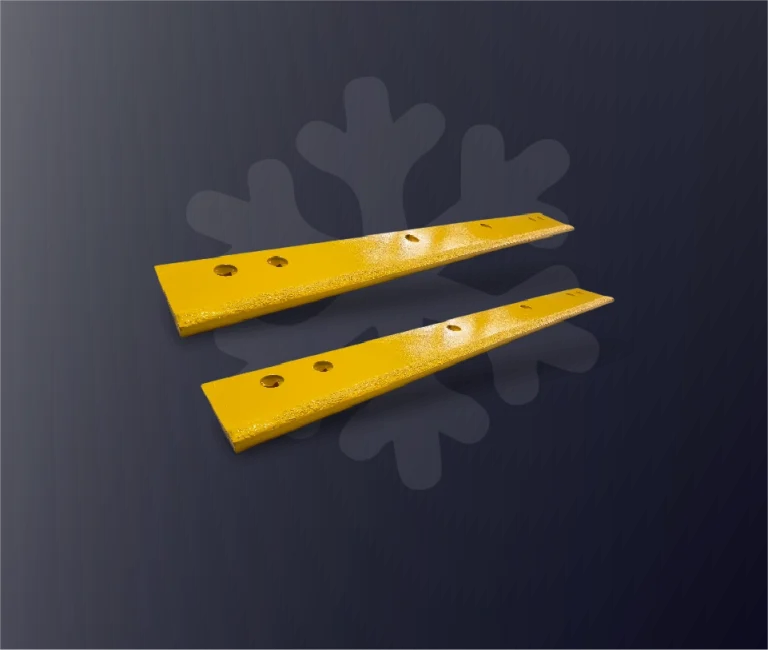
Choosing the best snow plow blade for ice removal in harsh winter conditions is ultimately about balancing cutting aggression, durability, and road surface protection — and for most municipalities, highway departments, and commercial contractors, advanced carbide snow plow blades and I.C.E. blades now deliver the most reliable performance on black ice, packed snow, and mixed winter pavement. Standard carbon steel edges can clear powder and slush, but they ride over glare ice and leave a slick film that demands heavy salt use to correct.
(Last modified date: September 7, 2026)
Quick definition: Removing loose snow is easy compared with breaking bonded ice and hard-packed snow that has refrozen multiple times.
Key Takeaways
- Ice removal requires a blade that keeps a sharp, aggressive edge through thousands of impacts — carbide and I.C.E. designs do this; steel does not.
- Three performance factors decide the choice: cutting efficiency, wear life, and pavement protection.
- Optimal blade angles of 25–35° maximize ice displacement while minimizing equipment strain.
- Match the blade to the surface: carbide for highways, rubber/poly for sensitive pavements; see why extended-life blades last 10× longer than steel.
Why Ice Removal Requires Specialized Blades
Removing loose snow is easy compared with breaking bonded ice and hard-packed snow that has refrozen multiple times. Standard carbon steel cutting edges can clear powder and slush but tend to ride over glare ice, leaving a dangerous, slick film that requires heavy salt usage to correct — higher costs, more material consumption, and increased liability risk. Harsh winter climates also mean more freeze-thaw cycles, more abrasive sand, and longer plowing hours, which accelerate edge wear. When a cutting edge loses its sharpness and profile, scraping pressure drops and ice removal performance declines quickly, even if the blade still looks intact. That is why advanced carbide snow plow blades have become the preferred solution for ice removal, combining high hardness, impact resistance, and sustained cutting power throughout the season.
What Makes the Best Snow Plow Blade for Ice Removal
The best blade must maintain a sharp, aggressive scraping edge while surviving thousands of impacts with compacted snow, manhole covers, and uneven pavement. Advanced designs focus on three core performance factors:
- Cutting efficiency — determined by edge hardness, geometry, and how consistently contact is maintained with the road.
- Wear life — tied to the quality and placement of carbide inserts, the bonding method, the base steel, and how the blade handles abrasion and impact.
- Pavement protection — depends on attack angle, the ability to articulate and follow road contours, and rubber shells or segmented sections that cushion impact while keeping carbide engaged.
If any of the three is neglected, the operator either struggles with ice removal or sees unsustainable operating costs. See also how quiet-zone contracts change blade requirements and high-performance industrial blades.
Core Snow Plow Blade Types for Ice Removal
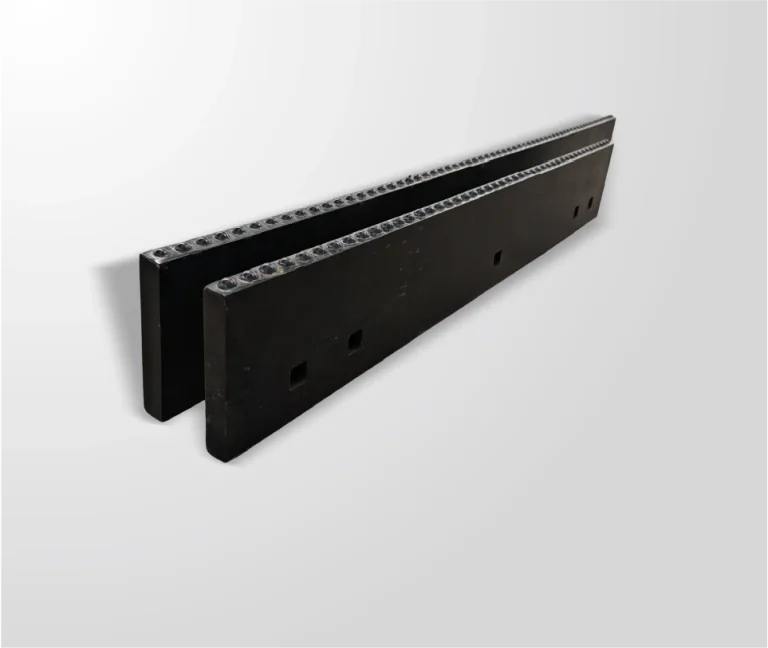
| Blade type | Ice removal strength | Best fit |
|---|---|---|
| Carbide / I.C.E. | Excellent on bonded ice and black ice | Highways, municipal routes, airports |
| Hardened steel | Good traction with proper angles | Moderate-duty fleets on a budget |
| Rubber / polyurethane | Tough on ice, gentle on surfaces | Residential, brick, sensitive pavement |
Measuring ROI: Cost, Downtime, and Safety Gains
Carbide and I.C.E. blades reduce replacement frequency, cut mid-storm downtime, and maintain sharp cutting power that lowers pass counts and fuel use. Faster ice removal also improves road safety — see whether faster ice removal cuts pileup crashes — while reduced salt dependency lowers material costs. Compare cost per cleared mile rather than unit price to see the full gain.
Practical Buying Guide
- Match the blade to the dominant surface: carbide for abrasive highways, rubber/poly for sensitive pavements, JOMA-style for uneven routes needing contour grip.
- Confirm mounting compatibility with your plow model and hardware.
- Set blade angles between 25° and 35° for optimal ice displacement, adjusting by surface conditions.
- Inspect after heavy use and replace when edges are worn, cracked, or uneven; use compatible replacements to maintain performance.
See also how JOMA plow blades compare with other brands and materials, how sectional I.C.E. blades protect frames, and how ice hardness affects traction.
FAQs
What are the best carbide snow plow blades for harsh winter ice removal?
The best carbide blades offer unmatched durability and ice-cutting performance in extreme conditions — reducing wear, resisting chipping, and maintaining efficiency on frozen surfaces. SENTHAI’s carbide blades are engineered for long-lasting use, ensuring safer, faster snow removal.
Which steel snow plow blades conquer icy roads most effectively?
Steel blades with hardened edges provide excellent traction on icy roads. Look for high-strength steel with impact resistance and proper mounting angles, and inspect and replace regularly to maintain performance.
How do polyurethane snow plow blades remove ice without damaging surfaces?
Polyurethane blades are tough on ice but gentle on pavements, protecting asphalt and concrete from gouging. Their flexible composition adapts to surface irregularities, making them ideal for residential or sensitive areas.
How can you sharpen snow plow blades for maximum ice efficiency?
Use precise grinding or carbide honing, maintain correct angles, and inspect for cracks or wear. Regular maintenance reduces fuel usage and equipment wear while ensuring consistent clearing results.
When and how should snow plow blades be replaced in winter?
Replace blades when edges are worn, cracked, or uneven, and inspect after heavy use and seasonal extremes. Use compatible replacements, like SENTHAI carbide or steel models, to maintain cutting performance and safety.
What are the optimal snow plow blade angles for ice removal?
Angles between 25° and 35° often maximize efficiency while minimizing equipment strain; adjust based on surface conditions and plow type.
Which heavy-duty snow plow blades handle extreme winter conditions best?
Heavy-duty blades with reinforced edges and high wear resistance — carbide or high-strength steel with superior impact resistance — excel in deep snow and ice, reducing downtime and maintaining cutting power.
How can snow plow blade edge kits improve ice removal performance?
Edge kits upgrade worn blades, restoring cutting sharpness and ice-clearing efficiency. Rubber, carbide, or steel edges improve performance on frozen surfaces, reduce wear, and extend blade life. See also how plows can keep ice debris low and ice glaze removal blade guidance.
Related Articles
- How Do Extended Life Snow Plow Blades Last 10× Longer Than Steel?
- Industrial Snow Plow Blades: High-Performance Solutions for Harsh Winters
- How Do JOMA Plow Blades Compare with Other Brands and Materials?
- How Can Sectional I.C.E. Blades Protect Snow Plow Frames?
- Can Faster Ice Removal Cut Pileup Crashes?
Official Resources
References
Related articles
 Best Snow Plow Blade Family for Your Fleet: Top 5 ScenariosKnowledge
 Top 10 Snow Plow Blade Types for Winter Fleets (Ranked by Duty Fit)Knowledge
 Top 5 Best Carbide Blade Configurations for Highway PlowingKnowledge
 Best Snow Plow Blade Materials Ranked: Steel vs Carbide vs Cladding vs Rubber-CarbideKnowledge