




What Is the North American Carbide Grading System (C-1 to C-8)?
The North American carbide grading system (C-1 to C-8) classifies tungsten carbide grades by grain size and mechanical properties: C-1 is the finest grain for maximum wear resistance, while C-8 is the coarsest for…
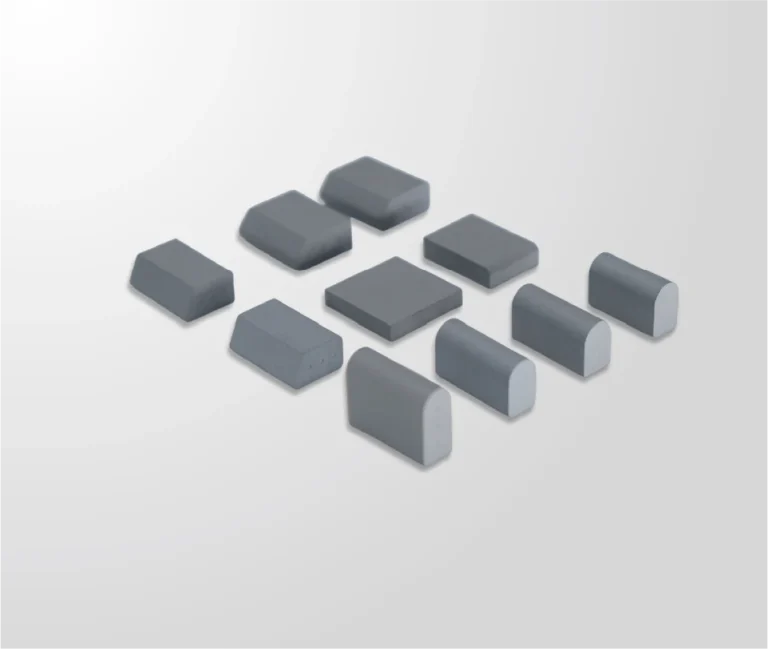
The North American carbide grading system (C-1 to C-8) classifies tungsten carbide grades by grain size and mechanical properties: C-1 is the finest grain for maximum wear resistance, while C-8 is the coarsest for extreme toughness. Matching the right C-grade to the route is what separates long-life blades from premature failure.
(Last modified date: September 2, 2026)
Quick definition: The C-1 to C-8 grading system is the US industry standard for selecting tungsten carbide grades in road maintenance.
Key Takeaways
- C-1/C-2 fine grades prioritize hardness and wear resistance for precision plowing.
- C-4/C-5 mid grades balance wear and toughness for general road maintenance.
- C-6 to C-8 coarse grades maximize toughness for extreme impact conditions.
- SENTHAI micro-grain inserts match these standards and deliver ~10x steel lifespan.
Why Does the North American Carbide Grading System Matter for Snow Plow Procurement?
The C-1 to C-8 grading system is the US industry standard for selecting tungsten carbide grades in road maintenance. It helps procurement managers balance wear resistance against impact toughness — critical in harsh ice and salt conditions. Mismatched grades cause premature blade failure and costly downtime. With over 21 years of carbide wear part production experience, SENTHAI delivers micro-grain tungsten equivalents trusted by 80+ global partners. See how insert grades impact snow plow performance.
How Are C-1 to C-8 Carbide Grades Defined by Grain Size and Traits?
| Grade | Grain Size | Primary Property | Best Application | SENTHAI Match |
|---|---|---|---|---|
| C-1 | Ultra-fine | Maximum wear resistance | Light snow, precision routes | Micro-grain carbide inserts |
| C-2 | Fine | Wear resistance + toughness | General road maintenance | Micro-grain inserts, JOMA-style |
| C-4/C-5 | Mid | Balanced wear and toughness | Heavy ice and salt | Balanced grades |
| C-6 to C-8 | Coarse | Extreme toughness | Impact-heavy conditions | High-toughness grades |
SENTHAI’s vacuum sintering furnace with proprietary temperature control ensures uniform grain size across inserts, maintaining consistency from powder through final vulcanization. See how to audit a carbide blade factory.
What Makes C-1 and C-2 Carbide Grades Ideal for Precision Plowing?
Fine-grain grades hold a sharp edge longest on smooth surfaces and packed snow, giving clean scrapes with fewer passes. They suit municipal routes where surface finish and edge retention matter more than impact tolerance.
Which C-4 to C-5 Carbide Grades Handle Heavy Ice and Salt Best?
Mid-range grades balance abrasion resistance with enough toughness to survive repeated contact with ice, salt, and minor debris. They are the default choice for most highway and commercial plow duty.
How Do SENTHAI Carbide Blades Match C-6 to C-8 Grades for Extreme Conditions?
Coarse-grain, high-toughness grades absorb impacts from frost heaves, manholes, and gravel without chipping — the right choice for cracked asphalt and obstacle-heavy routes. SENTHAI selects these grades when the route profile demands impact tolerance over pure wear life. See cost per mile as a KPI buyers can use.
How Do C-Grades Compare to Steel in Lifespan and Cost?
Carbide edges typically deliver about 10 times the lifespan of carbon steel in the same duty. Upfront cost is higher, but cost per mile drops sharply because changeouts, labor, and downtime fall. See tungsten carbide vs Binchotan wear parts.
What Should Procurement Managers Consider When Buying C-Grade Inserts?
- Define route conditions: smooth highways, gravel, or impact-heavy roads.
- Request grain size and hardness data per batch.
- Match grade to the blade architecture (conventional, JOMA, I.C.E.).
- Verify certification and traceability documentation.
Why Choose SENTHAI for North American C-Grade Carbide Blades?
SENTHAI’s ISO 9001/14001-certified production, 21+ years of experience, and 80+ global partners provide consistent C-grade equivalents with batch traceability. The company also supports custom grades to match OEM specs. See tariff-free carbide tools for the North American market.
FAQs
What is C-4 tungsten carbide used for in snow plow applications?
C-4 mid-grade carbide balances wear resistance and toughness, making it a common choice for general highway and commercial plow duty.
Can SENTHAI customize C-grade inserts to match OEM specs?
Yes — custom grades, geometries, and dimensions are available with documented test data.
Are SENTHAI blades ISO-certified equivalents to C-1 to C-8 standards?
Yes — SENTHAI’s micro-grain inserts are ISO 9001/14001-certified equivalents with batch traceability.
How much longer do C-grade carbide blades last than steel?
SENTHAI data shows roughly 10x lifespan versus carbon steel in North American winter duty.
Related Articles
- Carbide Insert Grades and Plow Performance
- Cost per Mile KPI
- Auditing a Carbide Blade Factory
- Tungsten Carbide vs Binchotan
Official Resources
References
- North American C-1 to C-8 carbide grading standards for wear parts.
- SENTHAI grade-matching documentation and fleet data, 2026.
Related articles
 Plow Skid Shoes vs Plow Feet: What They Do and How to Set ThemCore Topics
 What Is a Packed Ice Carbide Kit? The I.C.E. Blade System ExplainedCore TopicsCost-per-Mile for Plow Blades: A KPI Buyers Can Actually UseCore Topics
 Why Carbide Blades Crack in Deep Cold: Stress Relief, Brazing, and HandlingCore Topics