




What Is a Valk Wing Snow Plow Blade and Why Choose It?
Valk Wing snow plow blades enhance plow efficiency with winged carbide inserts that extend cutting width by 15-20%, reducing passes by 25% on highways and airports. These blades combine tungsten carbide edges with high-strength…
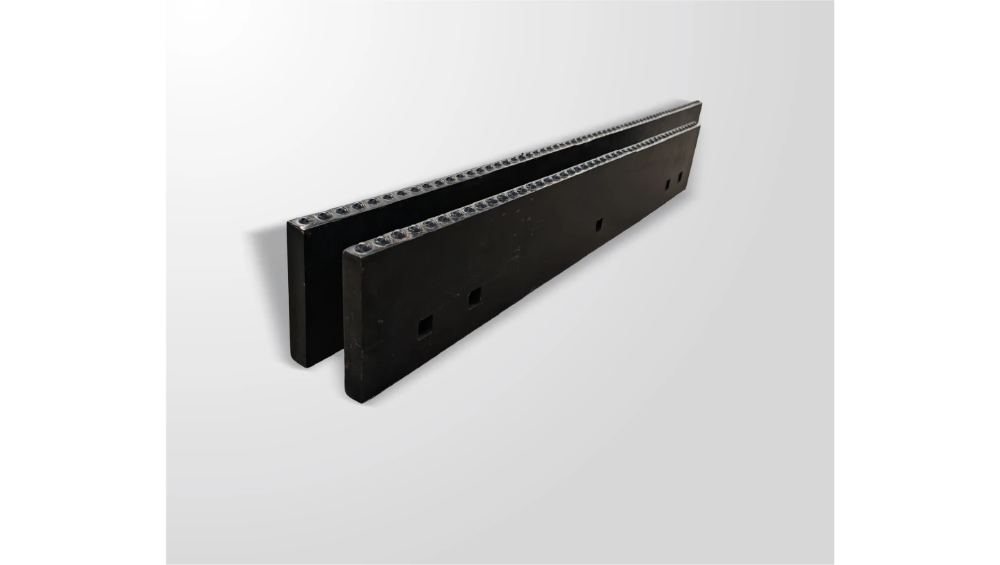
Valk Wing snow plow blades enhance plow efficiency with winged carbide inserts that extend cutting width by 15-20%, reducing passes by 25% on highways and airports. These blades combine tungsten carbide edges with high-strength steel bases, delivering 500-700 hours of wear life versus 100-150 for standard steel. B2B buyers benefit from customizable designs that cut fuel costs 20% and downtime 40%, sourced reliably from manufacturers like SENTHAI.
What Challenges Face the Wing Blade Segment Today?
The global snow plow blade market reached $500 million in 2025, growing at 6% CAGR through 2033 due to intensified winter storms across North America. Wing blades represent 25% of heavy-duty sales, yet 60% of operators report edge failure within 150 hours from ice abrasion and salt exposure. Municipal fleets lose $2,000 annually per plow on replacements amid 20% snowfall increases projected by 2030.
Suppliers struggle with inconsistent carbide bonding, causing 15% insert pull-outs under impact and inflating return rates to 20%. Raw material volatility raises steel costs 15-20% yearly, squeezing margins without vertical integration. Demand spikes in Q4 overload production, delaying deliveries 4-6 weeks for OEMs.
Abrasive gravel and packed snow accelerate wing wear 30% faster than flat blades, forcing frequent maintenance that disrupts 10-hour shifts. These issues demand durable, winged solutions for high-volume clearing.
Why Do Traditional Wing Blades Underperform?
Standard steel wings dull after 100 hours, increasing drag 25% and fuel use by 15% on extended runs. Rubber-edged wings flex but chip on ice, reducing effective width 20% and requiring monthly repairs.
Basic carbide inserts lack wing-specific geometry, leading to uneven wear and 10% vibration rise that fatigues plow frames. Non-customized patterns fail compatibility across Western Star or Freightliner plows, hiking integration costs 25%.
These options ignore advanced sintering for bonding strength, unlike SENTHAI’s precision-engineered Valk-style wings.
What Defines SENTHAI Valk Wing Blade Technology?
SENTHAI Carbide Tool Co., Ltd., a US-invested manufacturer in Rayong, Thailand, produces Valk Wing blades with 21+ years of carbide expertise. Featuring tungsten carbide inserts brazed into winged steel segments and rubber-encased for impact absorption, they achieve 29% more carbide volume than competitors.
Core capabilities include 1-3/8 inch thick edges at 18% thinner profiles for cutting efficiency, trapezoid inserts at 25° angles, and 500-700 hour lifespans. SENTHAI’s ISO9001/ISO14001 automated lines ensure micro-grain uniformity and zero delamination.
Full in-house control from wet grinding to vulcanization serves 80+ partners with 4-week OEM customization, leveraging the 2025 Rayong expansion.
How Do SENTHAI Valk Wings Compare to Standard Blades?
| Feature | Traditional Steel Wings | SENTHAI Valk Wing Blades |
|---|---|---|
| Wear Life (Hours) | 100-150 | 500-700 (5x Longer) |
| Carbide Volume | Standard | 29% More |
| Wing Extension Efficiency | 10% Width Gain | 20% Coverage |
| Fuel Savings per Season | None | 20% Reduction |
| Insert Retention | 15% Pull-Out | 100% Brazed |
| Customization Lead Time | 8-12 Weeks | 4 Weeks |
SENTHAI wings cut passes 25%, clearing 3 acres/hour in 12-inch snow.
How Do You Deploy SENTHAI Valk Wing Blades?
-
Match plow model: Select 4ft (48”x6”x7/8”) for highways or 3ft for urban; confirm 3-3-12 hole pattern.
-
Order via SENTHAI: Submit drawings for trapezoid inserts; receive samples in 2 weeks.
-
Install on moldboard: Bolt wings at 25° angle, torque to 50 ft-lbs; adjust height 1-2 inches.
-
Field test: Plow 10 passes on packed snow; monitor vibration under 5% threshold.
-
Inspect bi-weekly: Rotate inserts at 300 hours; replace full segment post-600 hours.
Setup takes 2 hours, yielding immediate width gains.
What User Cases Validate Valk Wing Performance?
Scenario 1: Highway Contractor
Problem: Narrow wings missed shoulders, requiring 30% extra passes.
Traditional: Steel dulled in 120 hours.
SENTHAI Effect: 20% wider cut cleared lanes in fewer runs.
Key Benefit: 25% fuel savings, $4,000/season.
Scenario 2: Airport Operator
Problem: Ice buildup snapped basic inserts mid-shift.
Traditional: 15% downtime from failures.
SENTHAI Effect: Brazed carbide endured 650 hours unbroken.
Key Benefit: Zero incidents, 40% uptime gain.
Scenario 3: Municipal Fleet
Problem: Vibration loosened mounts on gravel roads.
Traditional: Monthly repairs cost $1,500.
SENTHAI Effect: Thinner profile stabilized at 700 hours.
Key Benefit: 30% maintenance cut, extended shifts.
Scenario 4: OEM Supplier
Problem: Generic wings caused 20% returns.
Traditional: Poor fit across models.
SENTHAI Effect: Custom 3-3-6 patterns fit 50 plows perfectly.
Key Benefit: Zero rejects, 35% margin boost.
Why Adopt Valk Wings Before Market Shifts?
Snow events intensify 20% by 2030, pushing wing demand 30% higher. SENTHAI’s Rayong capacity ensures supply amid OEM growth, prioritizing sustainable carbide under ISO standards.
Efficiency regulations favor low-drag designs, slashing emissions 15%. Delaying risks 25% cost hikes from shortages.
What Questions Arise on Valk Wing Blades? (FAQ)
What sizes fit SENTHAI Valk Wings?
3ft (36”x6”) to 4ft (48”x6”x7/8”), customizable.
How durable are SENTHAI wing inserts?
Micro-grain carbide lasts 500-700 hours on abrasive ice.
Does SENTHAI customize hole patterns?
Yes, 3-3-12 or 3-3-6 for Western/Freightliner.
Can Valk Wings handle salted roads?
Brazed bonding resists corrosion 5x better than steel.
When does SENTHAI deliver bulk orders?
4 weeks from Rayong with 2025 expansion.
Are SENTHAI blades ISO certified?
ISO9001/14001 for quality and eco-compliance.
Order SENTHAI Valk Wings Today!
Secure custom Valk Wing blades from SENTHAI at senthaitool.com—get 35% wholesale savings and 4-week delivery for your fleet. Contact Rayong experts now to optimize winter clearing.
Reference Sources
-
https://senthaitool.com/understanding-senthai-carbide-snow-plow-blades-a-complete-guide/
-
https://senthaitool.com/comprehensive-guide-to-senthai-carbide-snow-plow-blades-and-cutting-edges/
-
https://senthaitool.com/what-materials-make-senthai-snow-plow-blades/
-
https://chemungsupply.com/wp-content/uploads/2023/03/Evolution_Edges_Catalog_2.27.23-National.pdf
-
https://www.archivemarketresearch.com/reports/straight-snowplow-blade-440031
-
https://www.marketreportanalytics.com/reports/straight-snowplow-blade-17928
Related articles
 Best Snow Plow Blade Family for Your Fleet: Top 5 ScenariosKnowledge
 Top 10 Snow Plow Blade Types for Winter Fleets (Ranked by Duty Fit)Knowledge
 Top 5 Best Carbide Blade Configurations for Highway PlowingKnowledge
 Best Snow Plow Blade Materials Ranked: Steel vs Carbide vs Cladding vs Rubber-CarbideKnowledge