What Is a Carbide Insert WCMX and How B2B Factories Manufacture It
A WCMX carbide insert is a specific indexable carbide drill insert used in metalcutting — an ANSI-style designation that identifies insert family, shape, tolerance, and mounting style, not just the carbide material. In B2B…

A WCMX carbide insert is a specific indexable carbide drill insert used in metalcutting — an ANSI-style designation that identifies insert family, shape, tolerance, and mounting style, not just the carbide material. In B2B supply chains, the real issue is how the insert is produced consistently enough for drilling performance, chip control, and tool-life stability across batches.
(Last modified date: August 31, 2026)
Key Takeaways
- WCMX is primarily an insert designation, not a material grade — the code matches the insert to the drill body, clamp system, and work material, while the carbide grade is checked separately.
- Insert failures usually come from poor grade selection, bad chip evacuation, weak edge preparation, or inconsistent manufacturing — not the code alone.
- The critical factory stages are powder blending, pressing, sintering, and grinding; drift in any stage makes inserts look acceptable but behave unpredictably.
- Ask factories about consistency controls in powder prep, pressing, sintering, and final inspection; see what indexable carbide inserts are.
What WCMX Means
WCMX is an ANSI-style insert designation. The code tells buyers about insert family, shape, tolerance, and mounting style rather than just the carbide material itself. In practical sourcing terms, that code helps a distributor or procurement team match the insert to the drill body, the clamp system, and the work material the factory expects it to cut. The insert is still a carbide product at its core, but the code is what keeps the part from being treated as a generic blank.
Why B2B Buyers Care
WCMX matters because insert failures usually come from poor grade selection, bad chip evacuation, weak edge preparation, or inconsistent manufacturing — not from the code alone. A factory buyer wants repeatable cutting behavior across lots, because even a small change in pressing, sintering, or grinding can affect wear, fracture resistance, and surface finish. Insert sourcing is as much a manufacturing question as a tooling question. See also carbide inserts for snow plow blades.
How Factories Make It
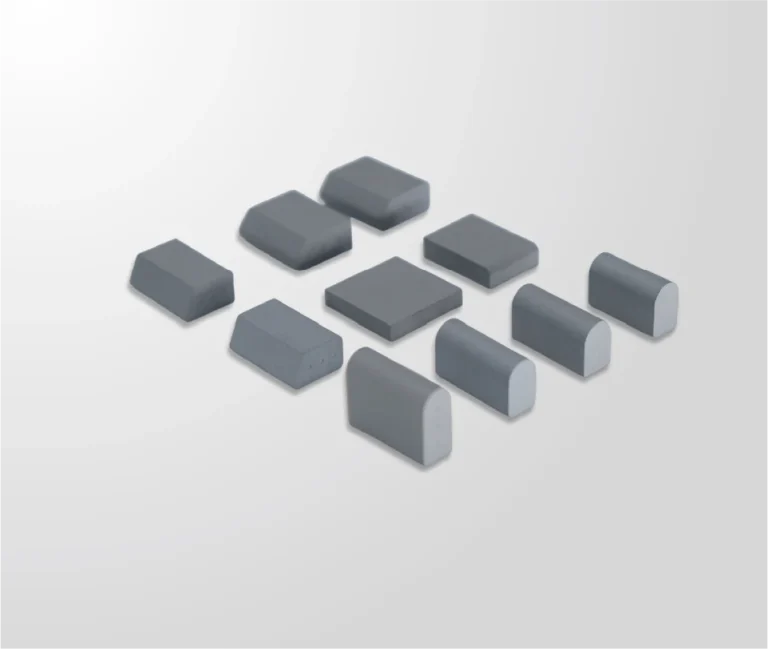
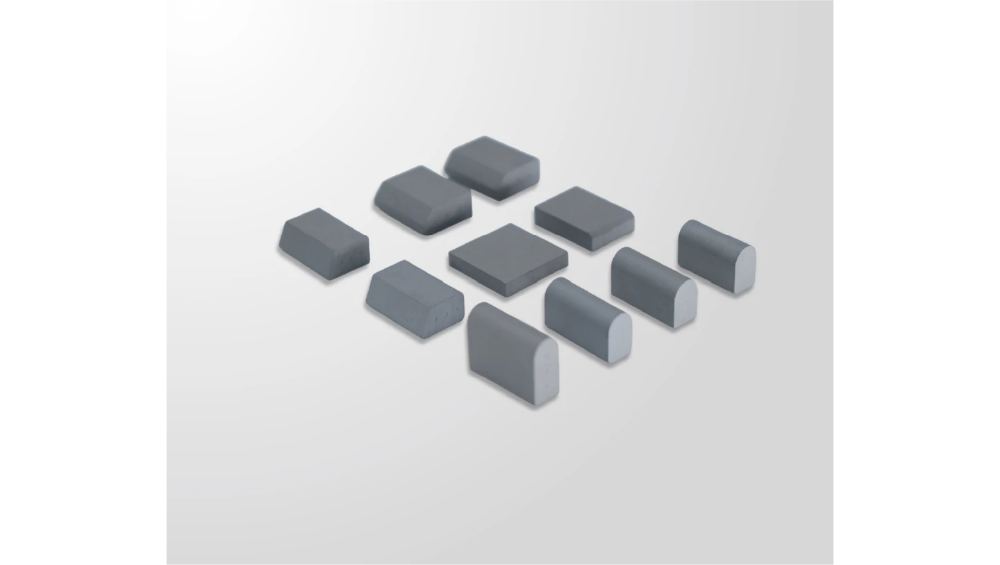
A carbide insert is typically made by mixing tungsten carbide powder with a binder, pressing that powder into a green shape, sintering it at very high temperature, and then finishing critical surfaces by grinding. During sintering, the powder consolidates into a dense cemented carbide structure — the step where dimensional stability and internal quality become much more important than the raw powder shape. After that, B2B factories control edge finish, coating compatibility, and hole or chipbreaker features before packing for distribution.
Manufacturing Steps That Matter Most
| Factory stage | Why it matters | Buyer risk if it is weak |
|---|---|---|
| Powder blending | Sets the base material balance | Variation in toughness or wear behavior |
| Pressing | Forms the insert shape before sintering | Dimensional inconsistency or internal defects |
| Sintering | Densifies the carbide structure | Brittleness, porosity, or batch variation |
| Grinding and finishing | Defines final tolerance and edge quality | Poor fit, unstable cutting, premature chipping |
Where Failure Usually Starts
The most common failure point is not the name code but the mismatch between insert geometry, machine setup, and cutting conditions. A weak edge, poor clamp support, or aggressive feed can expose the insert faster than expected. Because WCMX sees interrupted cutting, heat buildup, and clamp pressure, weak edges become visible quickly. See also carbide insert wear: when to replace teeth.
Frequently Asked Questions
Is WCMX a material grade or a shape code?
It is primarily an insert designation, not just a material grade. The code identifies the insert family and how it fits the tool system, while the actual carbide grade still needs to be checked separately.
Are all WCMX inserts made the same way?
No, because factory process control can vary even when the code looks identical. Pressing, sintering, and grinding quality can change how the insert behaves under real drilling load.
Why do some WCMX inserts chip early?
Early chipping usually comes from the mismatch between insert geometry, machine setup, and cutting conditions. A weak edge, poor clamp support, or aggressive feed can expose the insert faster than expected.
What should a buyer ask a factory before ordering?
Ask about consistency controls in powder prep, pressing, sintering, and final inspection — the stages that most directly affect whether the insert behaves the same from lot to lot.
Related Articles
- What Are Indexable Carbide Inserts?
- What Are Carbide Inserts for Snow Plow Blades?
- Carbide Insert Wear: When to Replace Teeth