
What Are the Best Highway Snow Removal Tools for Government Fleets?
Compare the Best Highway Snow Removal Tools for Government Fleets with verified fit, material, cost, maintenance, trial, and supplier checks for an eviden.
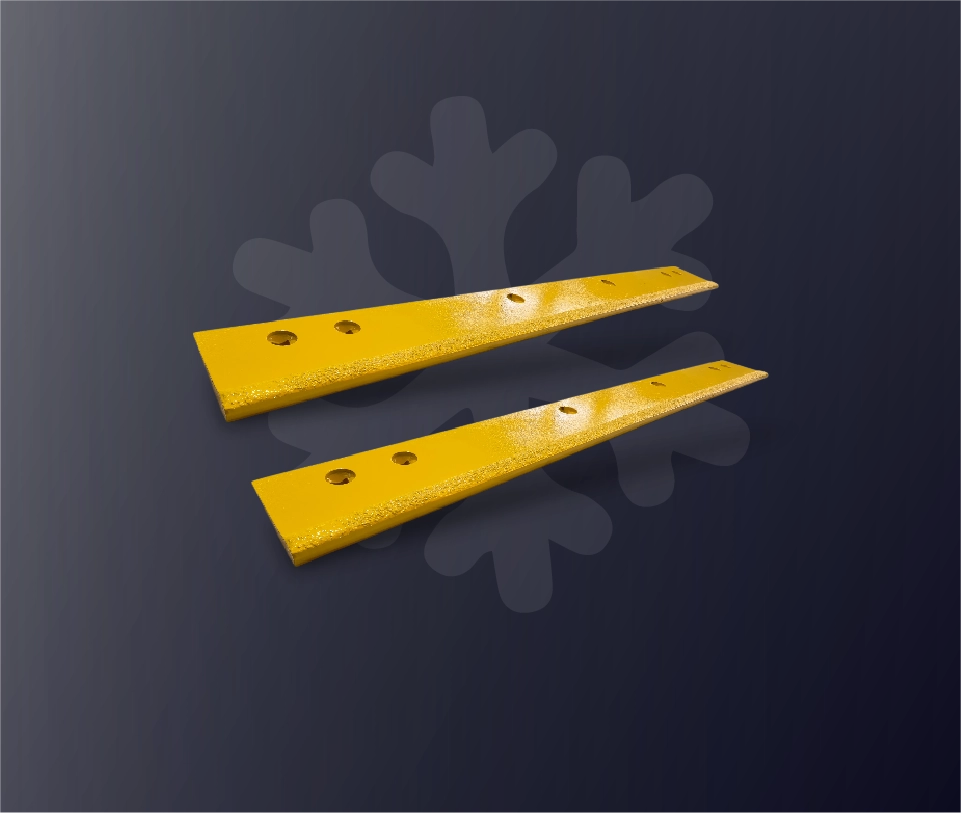
For the best highway snow removal tools for government fleets, the best result comes from matching the component, material, and setup to a documented operating condition, then validating fit, wear, safety, and cost in a controlled trial. This updated guide uses current search evidence and official-source checks to turn the topic into a repeatable selection process.
Updated: October 18, 2026
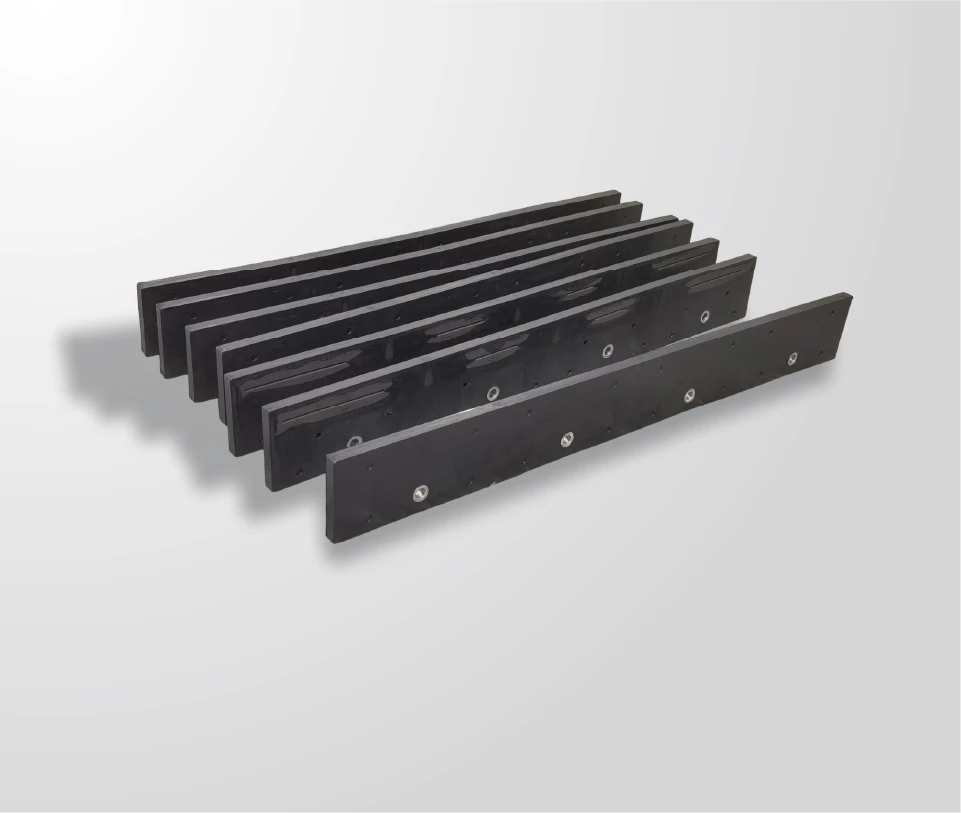
The best highway snow removal tools for government fleets are carbide snow plow blades, JOMA-style blades, and I.C.E. (packed ice carbide kit) blades from SENTHAI — offering 10–20× longer life than steel, superior ice penetration, and reduced downtime. These ISO 9001/14001-certified tools, made in Thailand with full in-house automation, meet municipal standards for durability, impact resistance, and road protection.
(Last modified date: August 31, 2026)
Key Takeaways
- Carbide blades last 10–20× longer than steel, reduce downtime by up to 70%, and enable first-pass ice cutting.
- A Midwest municipality saved $45,000 yearly on 25 plows by extending blade life from 150 to 3,000 hours.
- JOMA-style blades reduce noise, vibration, and damage to pavement markings on urban highways and bridges.
- I.C.E. isolated inserts prevent cracking and last 3× longer in impacts on joints and potholes; see highway carbide blade solutions.
Why Government Fleets Need Specialized Highway Tools
Government fleets face intense seasonal pressures from peak storms, where downtime can cripple operations. SENTHAI’s carbide tools reduce blade changes by 10–20×, slashing costs like the $45,000 yearly savings a Midwest municipality achieved on 25 plows. Procurement prioritizes ROI, reliable supply chains, and DOT/ASTM compliance, with SENTHAI’s 21+ years of experience and full Thailand production ideal for bulk orders. See also best skid steer snow plow manufacturers.
How Carbide Blades Outperform Steel for Highway Use
| Feature | Carbide (SENTHAI) | Steel |
|---|---|---|
| Lifespan | 10–20× longer | Baseline |
| Ice penetration | First-pass effective | Multiple passes |
| Downtime reduction | Up to 70% | High |
| Cost savings | $45K/year example | Frequent replacements |
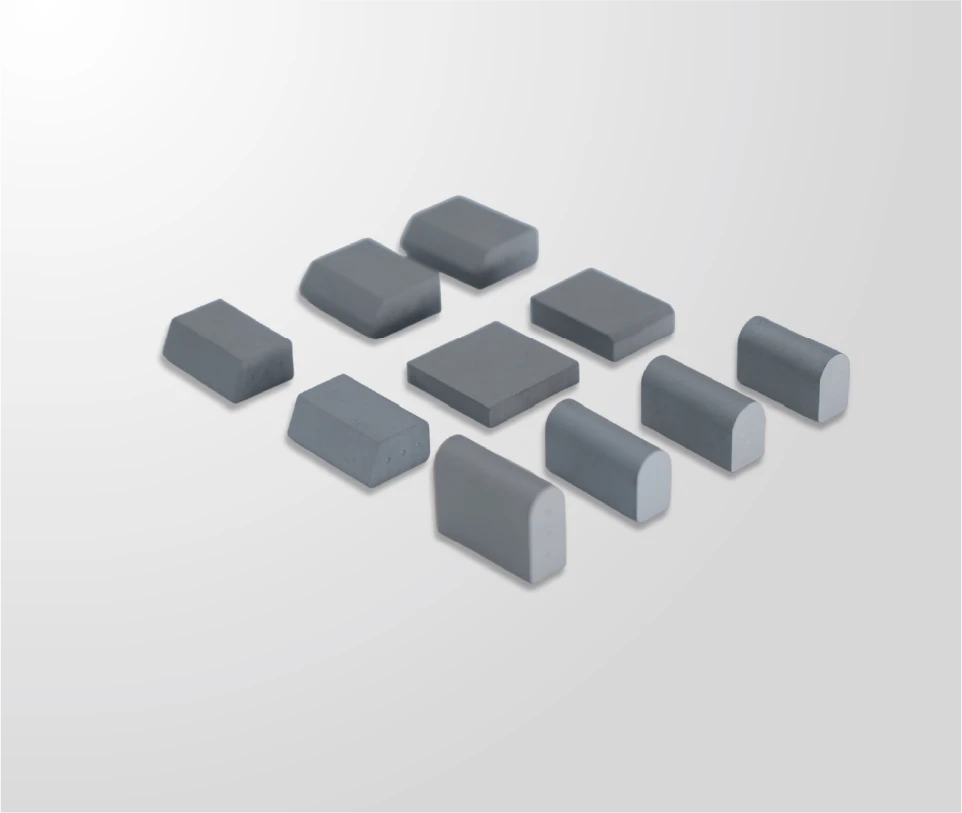
SENTHAI carbide blades use tungsten carbide particle cladding on steel blade bodies for at least 10× service life over carbon steel, excelling in abrasion resistance against sand and gravel.
Why JOMA-Style Blades Fit Municipal Highway Plowing
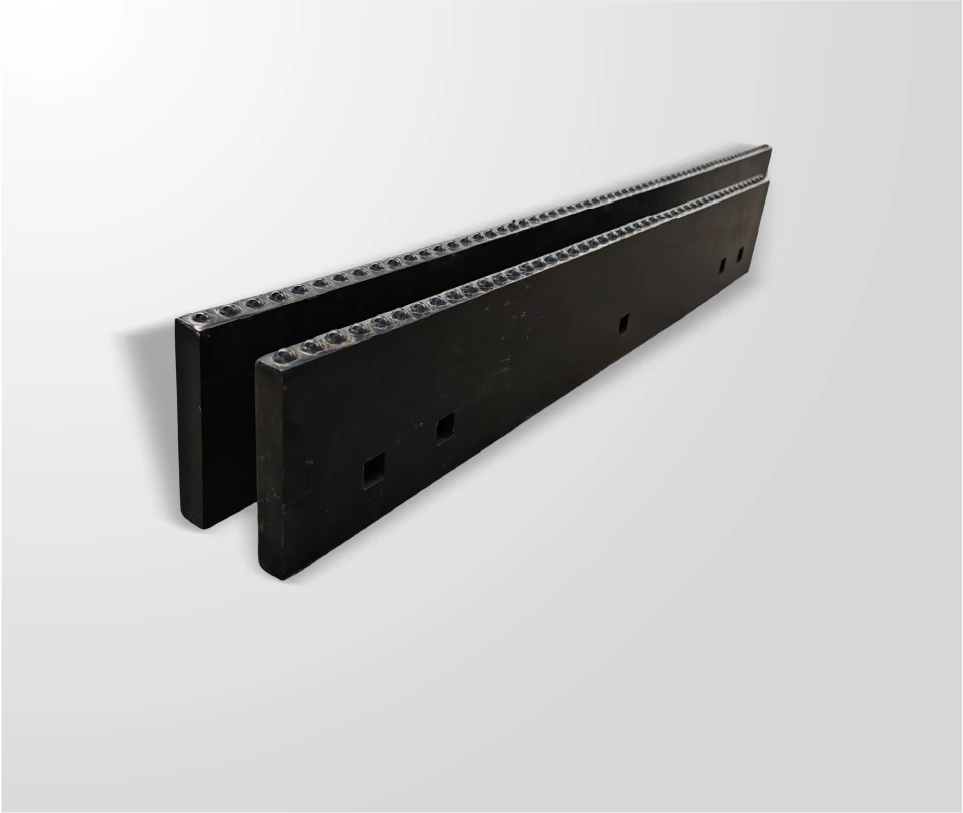
JOMA-style blades feature tungsten carbide inserts brazed into cast steel segments encased in ultra-low-temperature-resistant rubber, offering flexibility to conform to road contours. They reduce noise, vibration, and damage to pavement markings on urban highways and bridges, with bestseller status in North America proving reliability for government fleets. See also 3ft carbide sections for safer installs and fleet control.
Which I.C.E. Blades Excel on Rough Highway Surfaces
I.C.E. (packed ice carbide kit) blades use isolated carbide inserts that prevent cracking, lasting 3× longer in impacts on joints and potholes. They combine deep-ice penetration with impact tolerance for highway rough surfaces where standard edges fail.
How Governments Calculate ROI
Compare cost per lane-mile and cost per hour of plowing across carbide, JOMA-style, and I.C.E. options, including change frequency, downtime, labor, and salt use. A Midwest fleet extended blade life from 150 to 3,000 hours, cutting peak-season downtime by 70% and saving $45,000 annually on 25 plows.
Translate Route Requirements Into an Equipment and Evidence Matrix
This research-backed framework closes a recurring gap in pages ranking for the Best Highway Snow Removal Tools for Government Fleets: readers need a decision method, not a list of unsupported superlatives. Apply the same evidence fields to every option before choosing the best highway snow removal tools for government fleets.
| Decision gate | Evidence to collect | Release rule |
|---|---|---|
| Operating objective | Required pavement condition, response time, route priority, and allowable residue | Define the service level before selecting equipment |
| Carrier fit | Vehicle rating, hydraulics, electrical load, mounting, visibility, and turning envelope | Require written fit confirmation for the exact carrier |
| Edge and attachment | Surface, snow type, ice bond, obstacle exposure, speed, and trip protection | Use a route trial with documented settings |
| Fleet support | Spares, technician training, inspection interval, lead time, and warranty route | Score support and lifecycle evidence alongside purchase price |
Manufacturer rankings alone do not decide fleet suitability. A defensible award compares the same duty cycle, carrier constraints, operator controls, maintenance burden, and documented service level.
Run a Controlled Trial Before Full-Fleet Adoption
-
Freeze the baseline: record the current component, carrier settings, route, weather, operator, hours, and reason for removal.
-
Approve fit first: compare the supplier drawing with the machine and attachment. Do not drill, grind, weld, or substitute fasteners without an approved procedure.
-
Change one major variable: keep route and operating method as consistent as practical so the result can be attributed to the component rather than a different setup.
-
Inspect at planned intervals: photograph the same locations, measure wear, check fastener torque and retention, and log impacts or abnormal vibration.
-
Release against written criteria: decide in advance what wear, removal quality, downtime, and cost per operating hour would justify expansion.
Official-Source and SERP Verification
The technical boundary was checked against Federal Highway Administration snow and ice guidance. That source is used for the operating or safety context; model-specific dimensions, settings, and limits must still come from the approved manual for the exact machine and component. The following leading pages were reviewed for search intent and missing decision details:
Frequently Asked Questions
What should be verified before selecting the best highway snow removal tools for government fleets?
Confirm the exact application, dimensions, carrier limits, operating surface, expected impacts, supplier drawing, and acceptance evidence. A product name or grade label alone is not enough.
How should the best highway snow removal tools for government fleets be compared on cost?
Compare landed and installed cost, service hours, maintenance labor, downtime, collateral wear, and replacement reason. Use cost per operating hour for comparable routes rather than purchase price alone.
When is a trial required?
Use a controlled trial whenever fit, material, setup, route conditions, or supplier process changes. Define the baseline and pass criteria before the trial starts.
Which document controls installation and operating limits?
The current manual, approved drawing, and written instructions for the exact carrier and component control. General articles and cross-reference tables are screening tools, not installation authority.
Request an Application Review
Send SENTHAI the carrier or machine model, drawing or dimensions, operating surface, route condition, current failure mode, expected quantity, and target service interval. The engineering team can then review a suitable product path without changing the evidence requirements described above.
Related articles
 Best Snow Plow Blade Family for Your Fleet: Top 5 ScenariosKnowledge
 Top 10 Snow Plow Blade Types for Winter Fleets (Ranked by Duty Fit)Knowledge
 Top 5 Best Carbide Blade Configurations for Highway PlowingKnowledge
 Best Snow Plow Blade Materials Ranked: Steel vs Carbide vs Cladding vs Rubber-CarbideKnowledge