




Top 8 Snow Plow Blade Manufacturers in 2026: Municipal, Commercial & Carbide Specialists
Municipal fleets do not buy one kind of snow plow blade — they buy complete plows for trucks and loaders, replacement steel edges for daily wear, and carbide cutting edges for ice and pavement…
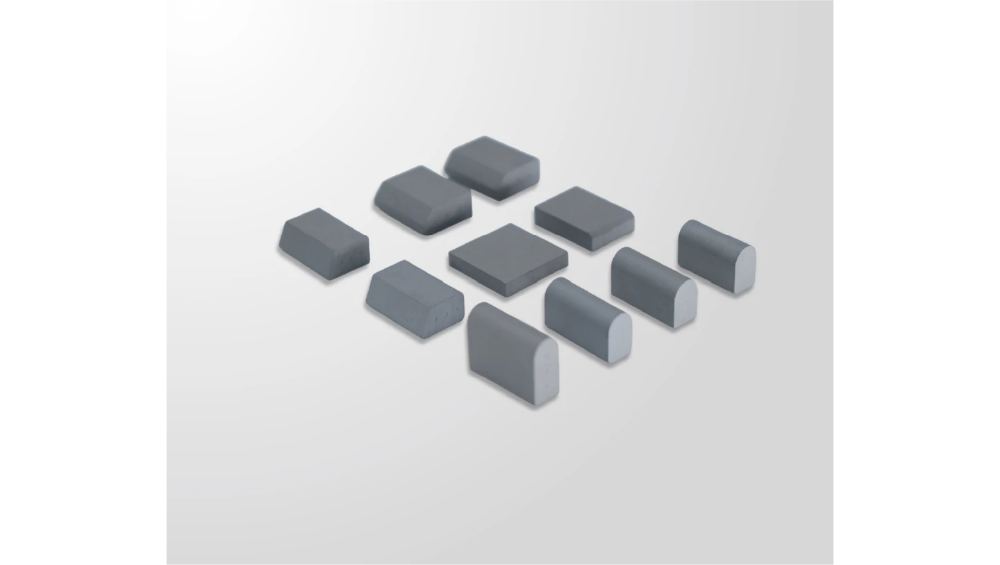
Municipal fleets do not buy one kind of snow plow blade — they buy complete plows for trucks and loaders, replacement steel edges for daily wear, and carbide cutting edges for ice and pavement contact, so the 2026 manufacturer shortlist covers both kinds of suppliers. The companies that build the plow itself (Western, Fisher, BOSS, Meyer, Sno-Way, Hiniker) and the specialists that build the edge that touches the road (Winter Equipment, Kenco, SENTHAI) answer different questions, and the right choice depends on which category your purchase falls into.
(Last modified date: August 31, 2026)
Key Takeaways
- Two supplier types matter: complete-plow manufacturers and cutting-edge/wear-part specialists; most municipal buyers need both.
- Rankings are criteria-based (product coverage, history, carbide edge systems, dealer network), not sales rankings.
- For carbide edges, ask four questions: carbide grade, brazing method (torch vs automated high-temperature), lot inspection records, and municipal edge-life data.
- Compare quotes on a spec sheet — edge life, braze process disclosure, lead time, channel, and samples — not on price alone; see top questions to ask a carbide blade manufacturer.
The Two Types of Snow Plow Blade Manufacturers
Snow plow blade manufacturers are the companies that design, engineer, and build the equipment used to clear snow: complete plows with moldboards, mounts, and hydraulics, plus the replaceable cutting edges that contact the road. Understanding the split is the first step in choosing a supplier.
- Complete plow manufacturers: Western, Fisher, BOSS, Meyer, Sno-Way, and Hiniker build plows and mounting systems, focusing on hydraulics, trip systems, and dealer support.
- Cutting-edge and wear-part specialists: Winter Equipment, Kenco Engineering, and SENTHAI build the steel and carbide edges, plow guards, and inserts that bolt onto those plows.
Municipal buyers usually need both. Ask each supplier which side they cover, and match edge options to the plow models in your fleet before comparing quotes.
The 2026 Ranking: 8 Snow Plow Blade Manufacturers to Know
| Manufacturer | HQ | Founded | Primary role | Best for |
|---|---|---|---|---|
| Western Products | Milwaukee, WI | 1950 | Complete plows | Full municipal fleets via one dealer network |
| Fisher Engineering | Rockland, ME | 1948 | Complete plows | DOT and municipal truck plowing |
| The BOSS Snowplow | Iron Mountain, MI | 1985 | Complete plows | High-use commercial-duty plowing |
| Meyer Products | Cleveland, OH | 1926 | Plows & spreaders | Mixed municipal and airport fleets |
| Sno-Way International | Hartford, WI | 1978 | Plows & spreaders | Budget-conscious fleets, long warranty |
| Hiniker Company | Mankato, MN | 1970 / 1995 | Plows | Loader-mounted and V-plow operations |
| Winter Equipment Company | Ohio, USA | 1989 | Carbide cutting edges | Carbide edge systems and plow guards |
| SENTHAI Carbide Tool Co., Ltd. | Rayong, Thailand | 21+ years | Carbide blades & wear parts | Carbide edges with process traceability |
Honorable mentions: Buyers Products (Mentor, Ohio; founded 1946; SnowDogg plows and SaltDogg spreaders), Kenco Engineering (Roseville, California; founded 1957; tungsten carbide cutting edges and wear parts), and Blizzard (Douglas Dynamics’ value-oriented plow brand). Companies were evaluated on four publicly verifiable criteria: product coverage relevant to municipal operations, manufacturing history and ownership stability, availability of cutting-edge systems including carbide options, and dealer/parts network reach. SENTHAI is a manufacturer of carbide snow plow blades and is included in this list; its commercial interest is disclosed. See also underbody scraper plow blade wear-life comparison.
Carbide Snow Plow Blade Manufacturers: What Sets Them Apart
Carbide snow plow blade manufacturers — Winter Equipment, Kenco, and SENTHAI on this list — sell on one promise: fewer changeouts. Carbide edges keep a sharp profile on ice and pavement longer than steel, which matters most to municipal and commercial fleets running long shifts. But a carbide edge is only as good as the bond between tip and steel body. When evaluating carbide manufacturers, ask four questions: What carbide grade do you use? How are the tips attached — torch brazing or automated high-temperature brazing? Do you provide inspection records per lot? What edge-life data do you have from municipal customers? The answers separate process-controlled manufacturers from resellers.
What Materials Do Snow Plow Blade Manufacturers Use?
| Edge material | Reported wear life vs steel | Best for | Main trade-off |
|---|---|---|---|
| Carbon steel | Baseline (1×) | Light residential, occasional use | Fastest wear |
| Heat-treated steel | 1.5–3× | Municipal roads, moderate budgets | Shorter life than carbide |
| Carbide-tipped | 3–10× | Ice and pavement contact, high-use fleets | Higher upfront cost; bond quality matters |
| Full carbide | Highest | Specialty cutting, low-impact use | Brittle and expensive |
Almost every manufacturer offers steel, hardened steel, and carbide options; the material choice is the biggest driver of cost per lane-mile. Steel edges are the baseline: cheap, easy to replace, and fine for occasional use. Heat-treated steel extends wear life without the price jump of carbide. Carbide-tipped edges multiply edge life in ice-contact service, while full-carbide edges are rare in snow duty because they are brittle and expensive.
How Snow Plow Blade Manufacturers Build a Cutting Edge
The manufacturing process determines the performance you get. Steel edges start as formed plate, hardened to specification. Carbide edges add a second stage: carbide tips or segments are prepared and brazed to the steel body. The brazing step is where quality is won or lost — manual torch brazing depends on operator skill and produces variable bond lines, while automated high-temperature brazing uses a controlled furnace or induction profile, producing consistent bonds with lot-level records. After brazing, edges are ground to final geometry and inspected. For the full technical explanation, see high-temperature automated brazing for plow edges.
OEM and Private-Label Programs
Many snow plow blade manufacturers also run OEM and private-label programs: they build blades branded for distributors, truck equipment upfitters, and national accounts. If you are sourcing under your own brand, ask about custom lengths and geometry, carbide grade options, minimum order quantities, packaging and labeling, and lot traceability. OEM programs are where process control matters most, because the warranty carries your brand, not the factory’s. SENTHAI, for example, offers custom carbide blade programs with lot-level records for OEM and aftermarket brands.
How to Choose a Snow Plow Blade Manufacturer for Your Fleet
- Match the product to the equipment mix. Confirm the manufacturer covers your actual machines — pickup plows, one-ton trucks, tandem plows, and loader-mounted blades.
- Evaluate the parts and dealer network. In a storm, a blade or edge is only as good as the distributor who can deliver it within hours.
- Specify the edge, not just the plow. Cutting-edge choice drives changeout frequency and road-contact performance; ask each bidder for carbide options and documented braze quality.
- Model lifecycle cost. Include changeout labor, downtime, and edge life — a plow that saves $500 on purchase but requires twice the edge changes costs more by mid-season.
- Ask for process records. For carbide edges, request brazing process disclosure, inspection records, and lot traceability.
When comparing quotes, build a spec sheet first: plow models, edge lengths, material, carbide grade, and expected season usage. Then ask every manufacturer for the same package — edge-life data or warranty terms, braze process disclosure and inspection records, lead time and freight terms, dealer vs direct channel, and sample availability. A quote that includes process documentation is usually worth more than one that does not. See also how snow blade exports from Thailand transform global winter maintenance and how Thailand is becoming a key snow plow manufacturing hub.
Frequently Asked Questions
What is the difference between a plow manufacturer and a cutting edge manufacturer?
Plow manufacturers build the complete blade assembly — moldboard, mounts, hydraulics — while cutting-edge manufacturers build the replaceable edge that contacts the road. Municipal fleets buy both: complete plows from the first group and replacement edges from the second.
Why do municipalities buy carbide snow plow blades?
Fewer changeouts and a lower cost per lane-mile. Carbide edges keep a sharp profile on ice and pavement 3–10× longer than steel, reducing downtime during storms and cutting labor and blade inventory costs.
Which manufacturer is best for a small city fleet?
It depends on the equipment mix. A small city fleet typically starts with a complete-plow brand that has local dealer coverage (Western, Fisher, BOSS, Meyer, or Sno-Way), then pairs it with a carbide edge specialist for replacement edges on high-use routes.
Are these manufacturers ranked by sales?
No. This ranking evaluates product coverage, manufacturing history, cutting-edge systems including carbide options, and dealer/parts network reach — criteria that match how municipal buyers actually decide.
Can you buy directly from a snow plow blade manufacturer?
Cutting-edge and wear-part specialists often sell direct or through distribution, while complete-plow manufacturers typically sell through dealer networks. Ask each supplier about its sales channel and local support.
Do snow plow blade manufacturers offer custom or private-label blades?
Yes. Many run OEM and private-label programs with custom lengths, geometry, carbide grades, packaging, and lot traceability — important when the warranty carries your brand.
How long should a carbide snow plow blade last?
Reported wear life is typically 3–10× that of carbon steel, depending on carbide grade, braze quality, route, and road conditions — which is why process documentation matters more than the part number.
Steel or carbide: which should my fleet standardize on?
Route-based. Carbide is the right default for ice and pavement contact on high-use routes; steel or heat-treated steel fits light-duty and occasional use where upfront cost matters most.
Related Articles
- Top 10 Questions to Ask a Carbide Blade Manufacturer
- Top 10 Best Blades for Loader/Grader Winter Work
- Top 5 Best Blade Lines for Distributors (SKU Ranking)
- High Temperature Automated Brazing for Plow Edges
- How Is Thailand Becoming a Key Snow Plow Manufacturer Hub?
- How Can Snow Blade Exports from Thailand Transform Global Winter Maintenance?
Official Resources
References
Related articles
 Best Snow Plow Blade Family for Your Fleet: Top 5 ScenariosKnowledge
 Top 10 Snow Plow Blade Types for Winter Fleets (Ranked by Duty Fit)Knowledge
 Top 5 Best Carbide Blade Configurations for Highway PlowingKnowledge
 Best Snow Plow Blade Materials Ranked: Steel vs Carbide vs Cladding vs Rubber-CarbideKnowledge