
Sourcing Carbide Wear Parts From Thailand: What to Verify
Verifying a Thailand carbide manufacturer is mostly a documentation exercise, and the parts of it that matter are the ones a buyer can check without travelling. Country of manufacture, origin of the raw material,…

Verifying a Thailand carbide manufacturer is mostly a documentation exercise, and the parts of it that matter are the ones a buyer can check without travelling. Country of manufacture, origin of the raw material, the process steps the supplier performs in-house, the fitment data it holds, and the records it can produce for a delivered batch decide whether a sourcing route is real or is a trading relationship with a factory somewhere behind it.
This article sets out what to ask, what the answers should look like, and where the risks sit in a Thailand sourcing route.
What the Data Shows
Verify the factory, not the brochure.
The evidence that counts is a legal entity, a physical plant, a process chain performed in-house and an export record — all of which can be checked before an order is placed rather than after the first container lands.
Start with official records rather than commercial pages. Company registration and investment promotion records in Thailand establish that the manufacturer exists as an operating entity, and the counterpart import data in the destination market shows whether goods have actually moved. Trade and export facilitation guidance is published by national agencies such as Trade.gov, and it is a better starting point than a marketplace listing because it explains what each document is for.
The second dataset is process depth. Wet grinding powder preparation, robotic pressing, vacuum and low-pressure sintering, induction brazing with annealing, vulcanization and finishing are separate capabilities, and a supplier either has them or buys them in. Knowing which steps happen on the supplier’s own floor is what turns a capability claim into a checkable one, and the powder metallurgy route behind cemented carbide is documented by industry bodies such as MPIF.
The third dataset is commercial continuity: which markets the manufacturer already ships to, which documentation it routinely produces, and whether the same specification is held for repeat orders. SENTHAI exports to North America, Europe, Asia and the Middle East, which means the documentation set a new buyer asks for has usually been produced many times before.
What Is Driving the Change
Diversification is a cost and policy response.
Buyers add a second origin for the same reasons they add a second supplier: tariff exposure, freight reliability and the documentation their own customers now demand.
The policy driver is visible in procurement language. Where agencies and OEMs ask suppliers to state raw material origin and manufacturing location, a manufacturer that can answer in writing becomes eligible for work that an undocumented supplier cannot bid for. That requirement is administrative rather than technical, and it is why the origin statement belongs with the drawing in the same document package.
The cost driver is less dramatic than the policy one but easier to act on. Manufacturing location affects freight lane, transit time and the documentary burden, while the material route affects the cost of the carbide itself. A manufacturer using non-China tungsten raw material is answering two questions at once: where the part was converted, and where the tungsten came from.
There is also a practical capacity argument. When a market concentrates its purchasing into a small number of sources, the queue for those sources lengthens, and a buyer who has a qualified alternative outside the concentration is not competing for the same slot in a peak season.
What It Means for Buyers
Ask for documents, then test them.
A Thailand sourcing decision should rest on the same evidence a domestic one does: a drawing that matches the machine, a hardness claim tied to a named test, a batch record and a fitment validation.
| Verification point | What to request | How to check it | What it protects against |
|---|---|---|---|
| Legal entity and plant | Registration details and factory address | Official registration records | Trading intermediaries presented as manufacturers |
| Process chain | A step-by-step list of what is done in-house | Ask which steps are subcontracted | Capability claimed but bought in |
| Grade and hardness | Documented grade with hardness band and grain size | Hardness check against the named method | Soft or brittle parts below intent |
| Fitment data | Drawings with bolt pattern, spacing and countersink | Compare with the machine drawing or a sample | Parts that will not seat on the machine |
| Tolerances | Stated tolerances for the critical dimensions | Measure a sample against the statement | Repeat orders that do not interchange |
| Traceability | Lot or batch reference with inspection records | Match a delivered part to its record | Unresolvable warranty claims |
| Export documentation | Standard shipping and customs document set | Confirm against broker requirements | Delays at the port of entry |
Two of those points need care. Hardness claims are only useful when the test behind them is named, and the methods used to verify hardness and material properties are published by standards bodies such as ASTM. Fitment claims are only useful when they are expressed against the machine interface — the conventions for which are published through bodies such as SAE — rather than against a model year.
What It Means for Suppliers
Documentation is the qualifying capability.
A manufacturer selling from Thailand into regulated markets has to be able to answer the origin question, the process question and the fitment question in writing, and keep the answers consistent from quotation to delivery.
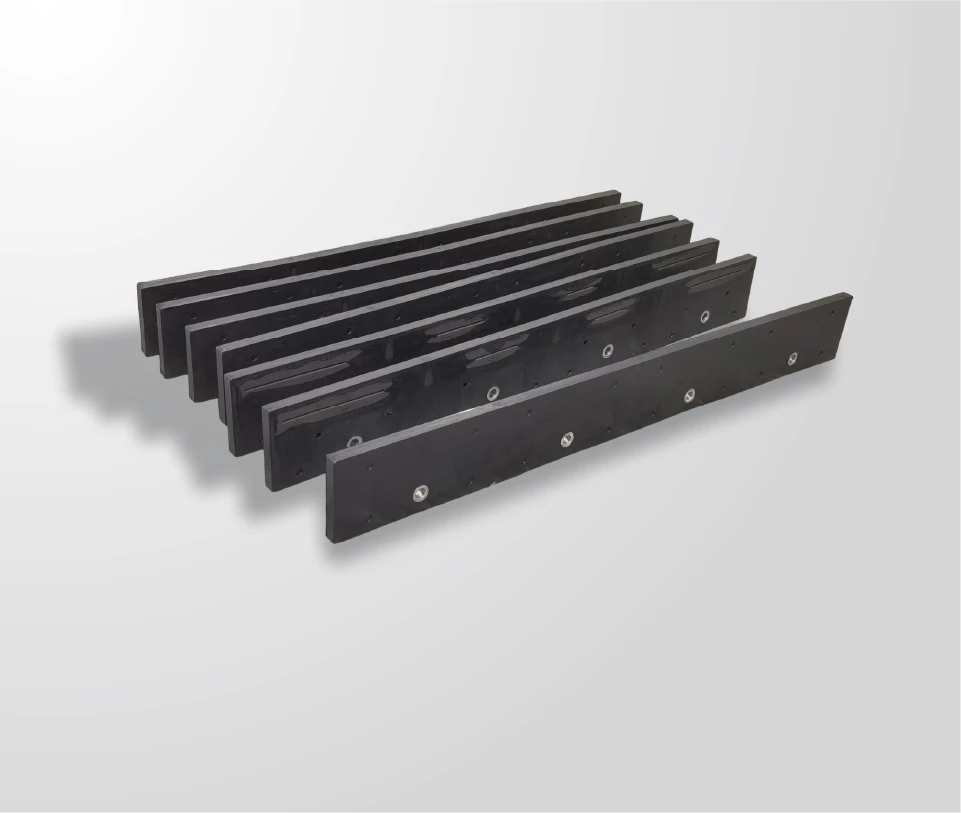
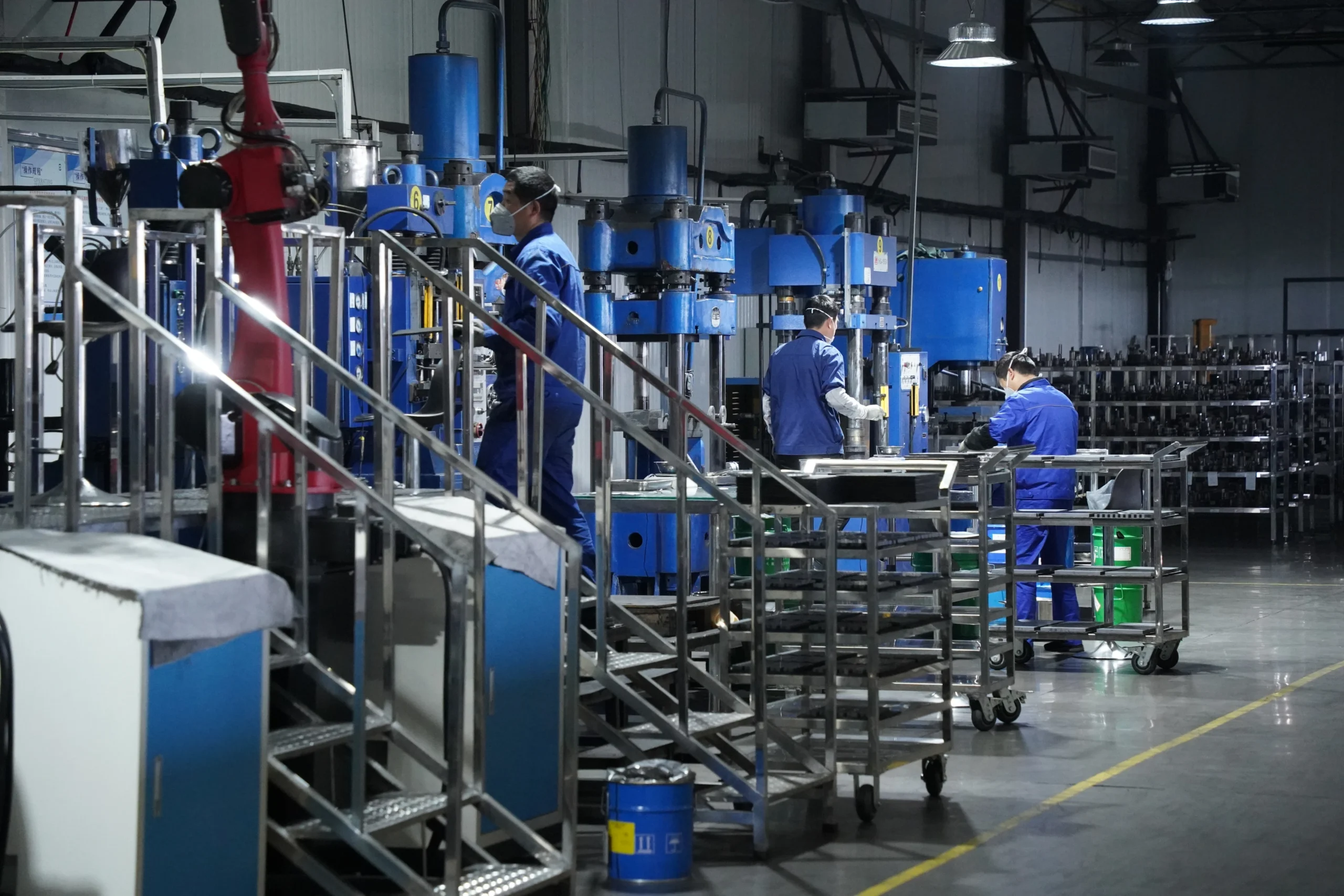
SENTHAI is a US-invested manufacturer that produces 100 per cent of its carbide wear parts in Thailand, using non-China tungsten raw materials, with more than twenty years of founder experience in tungsten carbide wear parts. The process chain is deliberately deep: wet grinding powder preparation, robotic pressing up to 500 tons, vacuum and low-pressure sintering, automated high-temperature induction brazing and welding with annealing, a vulcanization workshop for rubber-faced products, and finishing.
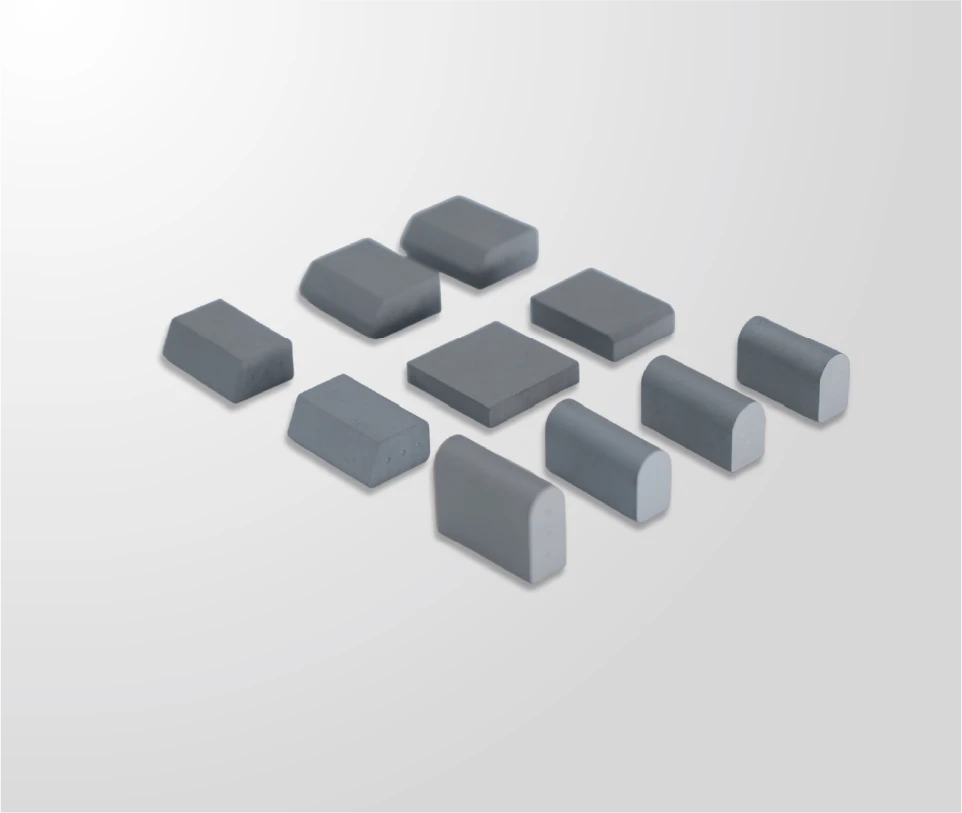
Those capabilities translate into statements a buyer can test. Micro-grain carbide inserts in trapezoid and bullnose profiles, a documented carbide grade with a stated hardness and toughness balance in HRA and grain size, machine insert pockets held to ±0.02 mm, and lot-level traceability with every batch inspected and archived give a technical reviewer something concrete to compare against a delivery.
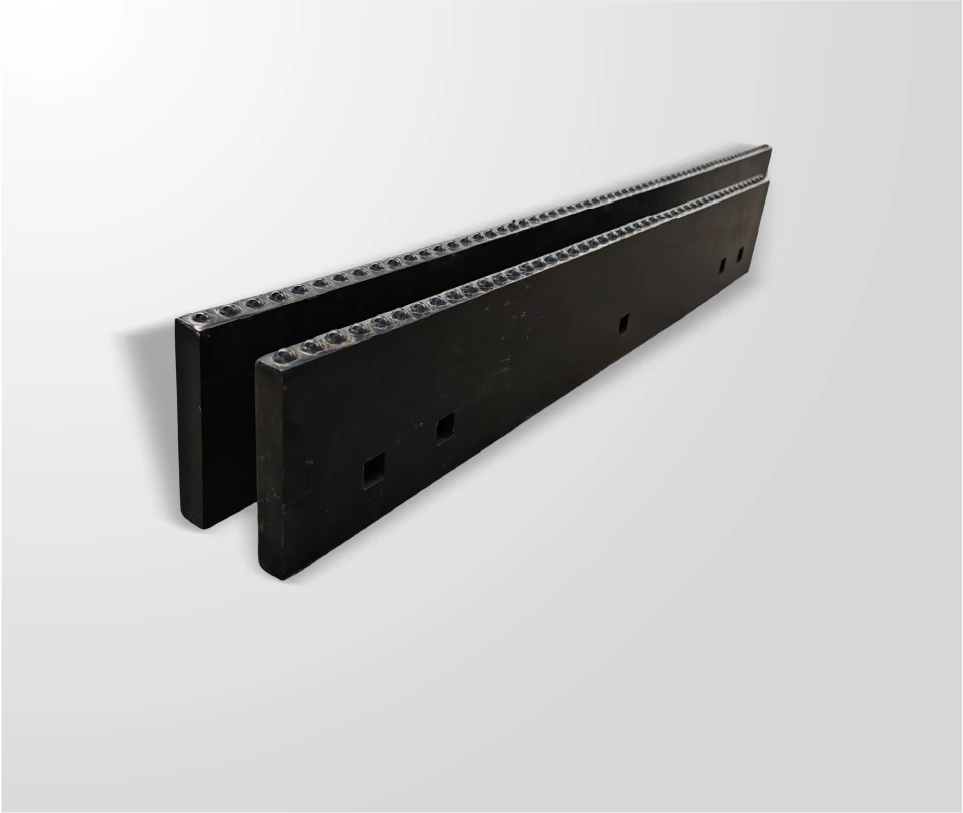
Fitment closes the loop. AASHTO and DIN bolt pattern fitment validated against a drawing or a physical sample is the statement most often missing from an overseas offer, and supplying it is what allows a distributor to sell the part without re-measuring every machine it fits.
Regional Differences
The verification work is the same everywhere, but what a buyer asks to see differs by market, and the difference is usually about which standard is being cited rather than which technical fact is being established.
North American buyers typically specify against documents that state departments of transport adopt, and they want the origin statement tied to the purchase order. Import documentation then has to satisfy the destination authority, which in the United States is CBP, and the cleanest way to avoid a hold is to know in advance which documents the broker will require.
European buyers usually work from standards rather than brands, and dimensional and material standards used in that market are indexed through DIN. An offer that quotes fitment tolerances in the standards a European buyer already uses removes a translation step from the evaluation.
In Asia and the Middle East, demand arrives through projects and tenders, which pushes the documentary burden towards tender compliance and shipping documents rather than a technical file. A manufacturer that holds technical documentation in a form that can be attached to a tender, unchanged, is easier to specify than one that has to produce a new statement for each enquiry.
What to Watch Over the Next 12 Months
Documentation currency and freight.
The two things most likely to affect a Thailand sourcing decision in the next year are changes to the documentation a buyer’s own customers require, and shifts in freight cost and lane reliability. Both move faster than manufacturing capability.
Documentation currency is the quieter risk. An origin statement or a fitment drawing obtained at qualification can become stale if the drawing is superseded or the material route changes, and a stale document is worse than none because it is relied on. Requesting a re-statement annually, and filing it with the purchase record, costs almost nothing and keeps the qualification valid.
Freight is the visible one. Container availability, lane changes and port congestion affect the landed cost of a heavy, low-value-per-kilogram product more than a small change in the unit price does, so buyers should review the freight assumption as often as the price schedule.
There is a third item worth watching: whether the markets a buyer serves start asking for more process detail. Requests for the manufacturing step list, the inspection basis and the tolerance statement are becoming normal rather than exceptional, and a supplier who can already answer them is a lower-risk award.
How to Act on This
Qualify on documents, confirm on a sample.
Run the supplier through a document-first qualification, then confirm the specification on a sample order before committing stock, and keep the whole file current rather than treating qualification as a one-off event.
In practice the sequence is short: request the registration and plant details, the process step list, the grade and hardness statement, the drawings with bolt pattern and countersink detail, and the traceability convention. Compare those against what the machine actually needs, then order a sample and measure it against the same documents.
Only after the sample checks out does the commercial conversation become useful. SENTHAI’s process chain and quality documentation are set out on the factory page and the company profile, in the written form a qualification file needs.
Then fix the terms. Price, volume basis, delivery and any stocking arrangement are commercial matters, so the applicable terms are stated in the written quotation or order documents rather than inferred from a specification.
Sourcing carbide wear parts from Thailand is a verification problem, not a leap of faith. The four things that decide whether the route works are a real manufacturing entity, a process chain performed in-house, a specification expressed in testable terms and a traceability record that survives to the delivered batch. Origin is only the first question; the second is whether the supplier can put its answers in writing and repeat them on the next order. Buyers who qualify on documents and confirm on a sample get a second source that is actually usable when the primary one is under pressure.
Send SENTHAI your drawings, machine classes and the documentation your programme requires, and the technical team will review the grade, fitment data and process chain against them.
Related reading: the SENTHAI factory and company profile.
Frequently Asked Questions
How do you find a carbide manufacturer in Thailand?
Start with official records rather than marketplaces: company registration and investment promotion data establish that a manufacturer exists as an operating entity, and import records in the destination market show whether goods have actually moved. Then ask the process question, because a supplier that performs powder preparation, pressing and sintering in-house behaves differently from one that buys finished parts. Export experience in your own market is the last filter, since it means the documentation set has already been produced.
Does manufacturing in Thailand differ from manufacturing in China?
The engineering questions are the same everywhere: grade, hardness band, tolerance, fitment and traceability. What differs is the documentation and trade position, since a Thai plant using non-China tungsten raw material answers two origin questions at once and travels a different customs route. The right comparison is therefore between specific suppliers on specification and documentation, not between countries on reputation, because capability varies within every manufacturing base.
How do I audit a factory in Thailand without visiting?
Run a document-first audit: registration and plant details, a step-by-step list of which processes are performed in-house and which are subcontracted, the grade and hardness statement with the test method named, drawings with bolt pattern and countersink detail, and the batch or lot traceability convention. Then confirm the file on a sample order by measuring it against those same documents. That sequence catches most of what a site visit is used for, and it leaves the visit for questions the documents cannot answer.
What documents should a Thailand supplier provide for customs?
A commercial invoice, packing list, bill of lading or airway bill and an origin statement are the core set, with the exact requirements set by the destination authority. In the United States that guidance is published by CBP. The practical step is to send the broker the intended document list before the first shipment and confirm it, because a missing or mismatched document at the port costs more than the freight rate difference a buyer negotiated.
Can a Thailand manufacturer hold AASHTO or DIN bolt patterns?
Yes, provided the fitment data is validated against a drawing or a physical sample rather than inferred from a catalogue. A supplier should be able to supply bolt hole spacing, diameter and countersink detail in the buyer’s own standard, and to state tolerances for the pockets and holes. Requesting that data during qualification, then measuring a sample against it, is what makes an overseas fitment claim usable on a machine.
Related articles
 Distributor Inventory Planning for Seasonal Wear PartsDistributor, wholesale and supply-chain sourcing
 Wear Parts Lead Times: What Drives Them and How to Plan Around ThemDistributor, wholesale and supply-chain sourcing
 Tariffs, Duties and Landed Cost on Wear PartsDistributor, wholesale and supply-chain sourcing
 Carbide Raw Material Availability: Planning Through Tight SupplyDistributor, wholesale and supply-chain sourcing