




Anti-Wear Snow Plow Edges: Boost Durability, Performance, and Winter Efficiency
Anti-wear snow plow edges use tungsten carbide inserts to deliver 3–5x longer life than steel, reduce drag by up to 40%, and maintain sharp cutting geometry for hundreds of hours — meaning fewer blade…
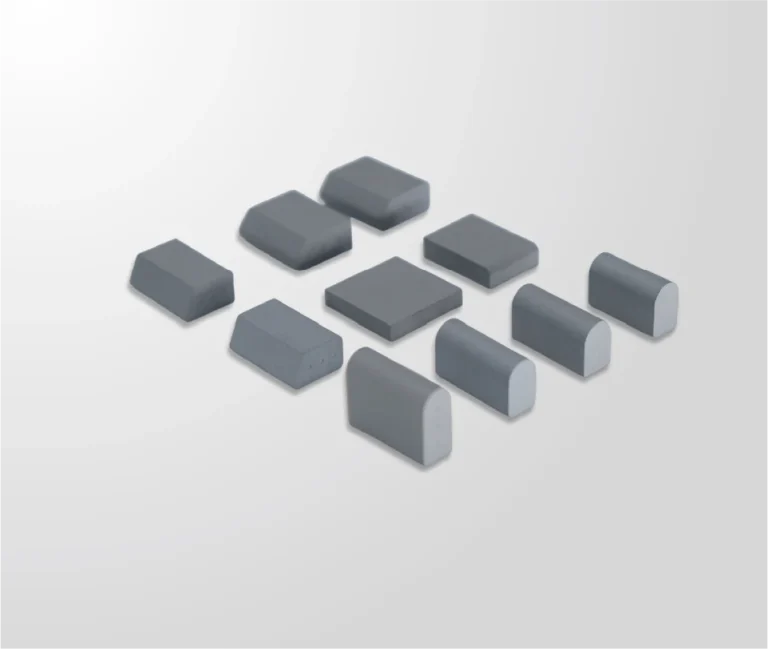
Anti-wear snow plow edges use tungsten carbide inserts to deliver 3–5x longer life than steel, reduce drag by up to 40%, and maintain sharp cutting geometry for hundreds of hours — meaning fewer blade changes, lower fuel use, and cleaner roads for B2B fleets. SENTHAI’s JOMA-style, I.C.E., and carbide-insert blades are engineered for wholesale and OEM supply.
(Last modified date: September 2, 2026)
Quick definition: Anti-wear snow plow edges integrate ultra-hard tungsten carbide inserts into a steel backing to resist abrasion from ice, salt, and road debris.
Key Takeaways
- Carbide edges hold 85% of original thickness after seasons where steel drops to 50%.
- Fleets run 300–500+ hours before changeout versus 50–100 for steel.
- Carbide hardness of 90–92 HRA with 6–12% cobalt balances abrasion and impact.
- Lower drag reduces fuel use and operational cost on high-volume routes.
What Are Anti-Wear Snow Plow Edges and How Do They Work?
Anti-wear snow plow edges integrate ultra-hard tungsten carbide inserts into a steel backing to resist abrasion from ice, salt, and road debris. Carbide grains (typically 1500–1800 Vickers) blunt wear while the cobalt binder (6–12%) provides impact toughness. In SENTHAI’s factory, powder metallurgy and sintering around 1400°C fuse WC grains with cobalt, creating transverse rupture strengths above 2500 MPa. Wet grinding and precision welding ensure flush integration with blade carriers. See why carbide blades are essential for 24/7 municipal readiness.
Which Materials Define True Anti-Wear Performance?
| Material | Hardness | Typical Life vs Steel | Key Strength |
|---|---|---|---|
| Tungsten carbide | 90–92 HRA / 1500–1800 Vickers | 3–5x | Abrasion resistance |
| AR500 steel | ~500 BHN | 1x baseline | Impact toughness |
| Polyurethane | 80–90 Shore A | 0.5–1x | Pavement protection |
Carbide edges hold 85% of their original thickness after seasons where steel drops to 50% — predictable service life and lower TCO across large fleets.
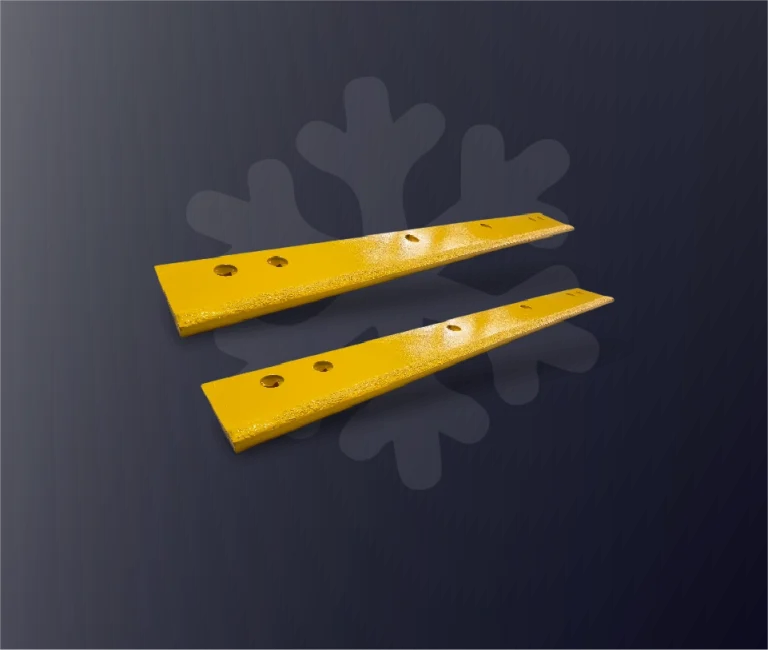
How Do Anti-Wear Edges Improve Durability and Reduce Downtime?
Anti-wear edges resist abrasion and maintain sharp geometry, directly reducing replacement frequency and downtime. With carbide inserts, fleets operate 300–500+ hours before a change, versus 50–100 hours for steel. See why recycled tungsten causes shattering.
Why Are Anti-Wear Edges Critical for High-Volume Winter Operations?
High-volume operations can’t afford mid-storm changeouts. Anti-wear edges extend intervals, stabilize budgets, and keep routes open during peak windows — the uptime advantage that matters most to contractors and municipalities.
Where Do Anti-Wear Edges Deliver the Most Value for Fleets?
On abrasive highways, gravel routes, and airport operations where wear is fastest. The more abrasive the route, the bigger the gap between carbide and steel cost per mile.
How Does Anti-Wear Design Impact Fuel Efficiency and Operational Costs?
Sharper edges cut with less drag — up to 40% drag reduction — lowering fuel burn and pass counts. Less drag also reduces strain on the truck and hydraulic system.
When Should Fleets Switch from Steel to Anti-Wear Carbide Edges?
Switch when changeout labor and downtime exceed the carbide premium, typically on abrasive, high-mileage routes within one season. See ice melt timing for optimal results.
Can Anti-Wear Edges Be Customized for OEM and Wholesale Orders?
Yes — custom widths, insert layouts, grades, and mounting patterns are available with batch traceability and OEM packaging.
FAQs
How much longer do anti-wear carbide edges last than steel?
Typically 3–5x longer, with 300–500+ hours between changes versus 50–100 for steel.
Do carbide edges reduce fuel use?
Yes — reduced drag can cut fuel consumption significantly on high-volume routes.
Are anti-wear edges compatible with my plow?
Mostly yes — verify bolt pattern and moldboard; custom fitment is available.
What maintenance extends anti-wear edge life?
Inspect after storms, replace damaged inserts early, and store blades correctly off-season.
Related Articles
Official Resources
- SENTHAI — Carbide Snow Plow Blades
- SENTHAI — Replaceable Carbide Inserts
- SENTHAI — Contact for Anti-Wear Specs
References
- SENTHAI anti-wear edge test data, 2026.
- Fleet lifecycle comparisons of carbide vs steel vs poly edges.
Related articles
 Best Snow Plow Blade Family for Your Fleet: Top 5 ScenariosKnowledge
 Top 10 Snow Plow Blade Types for Winter Fleets (Ranked by Duty Fit)Knowledge
 Top 5 Best Carbide Blade Configurations for Highway PlowingKnowledge
 Best Snow Plow Blade Materials Ranked: Steel vs Carbide vs Cladding vs Rubber-CarbideKnowledge