




Snow Plow Replacement Blades: A Procurement Framework for Fleet Fit, Durability, and Winter Uptime
A replacement cutting edge is not a simple commodity purchase when fleet uptime, route conditions, installation labor, and seasonal availability are at stake. The right snow plow replacement blade must match the equipment's mounting…
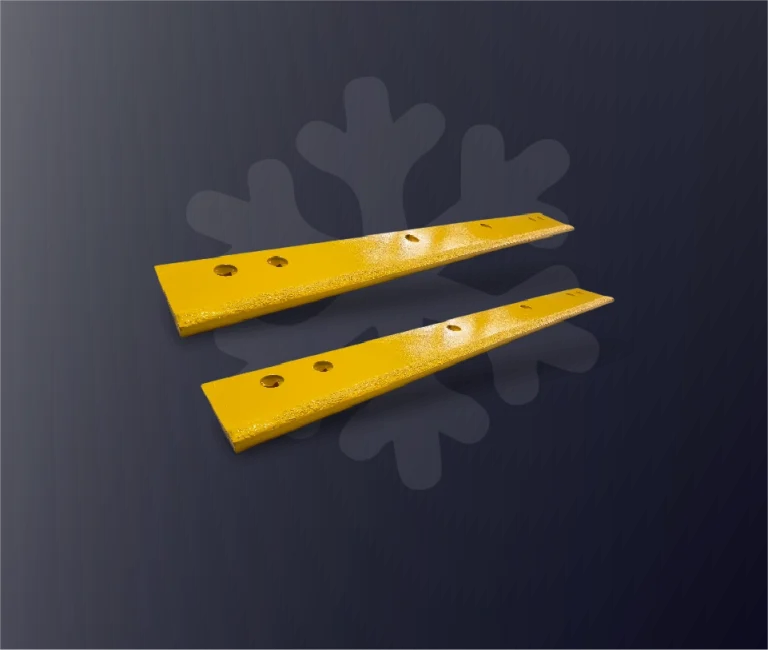
A replacement cutting edge is not a simple commodity purchase when fleet uptime, route conditions, installation labor, and seasonal availability are at stake. The right snow plow replacement blade must match the equipment’s mounting architecture while addressing the abrasion, impact exposure, packed snow, ice, joints, gravel, and road-surface conditions the fleet actually encounters — and FHWA guidance confirms that edge performance depends on highway and snow-and-ice conditions, not just material.
(Last modified date: September 2, 2026)
Quick definition: A snow plow replacement blade is the wear component mounted at the working edge of a front plow, underbody plow, wing, grader attachment, or other snow-and-ice removal system.
Key Takeaways
- Fit data matters more than material: length, thickness, hole pattern, bolt size, countersink, clamping arrangement, and hardware must be confirmed against the equipment drawing.
- Conventional carbide blades, JOMA-style segmented systems, packed-ice kits, and bare inserts are distinct architectures — not interchangeable.
- Carbide performance depends on grain structure, binder, density, hardness, toughness, residual stress, insert geometry, and attachment design.
- Validate compatibility and documentation before ordering; see the fleet TCO model for snow plow blades.
What Is a Snow Plow Replacement Blade?
A snow plow replacement blade is the wear component mounted at the working edge of a front plow, underbody plow, wing, grader attachment, or other snow-and-ice removal system. It contacts snow, ice, slush, abrasives, and pavement, so its geometry, mounting, material construction, and condition influence removal performance, maintenance frequency, and replacement planning. Key procurement factors include plow position and blade architecture (front, underbody, wing loading differ); route conditions (packed ice, loose snow, slush, gravel, bridge decks, joints, manholes, pavement texture, impact hazards); fit data (length, thickness, hole pattern, bolt size, countersink, clamping arrangement, hardware); and wear-part design. FHWA guidance notes that cutting edges are available in rubber, steel, carbide inserts, and synthetic polymers, with performance depending on highway and snow-and-ice conditions. See also the replacement procurement framework for winter fleet uptime.
Why Selecting This Wear Part Is Harder Than It Looks
A correct overall length does not prove fit. A blade can appear dimensionally similar while having an incompatible thickness, hole spacing, hole diameter, countersink, clamp-bar interface, curvature, carrier profile, or mounting hardware requirement. Buyers should provide the equipment model, current edge sample, drawings, and measurements rather than relying on a product name alone. Wear resistance and impact tolerance must be balanced. Tungsten carbide is not one fixed material category: performance depends on grain structure, binder system, density, porosity, hardness, toughness, residual stress, insert geometry, and the attachment design. A highly abrasion-resistant configuration may not automatically be the right choice for impact-heavy routes.
How the Sourcing and Validation Process Works
- Provide the equipment model, current edge sample, drawings, and measurements.
- Define route conditions and the dominant failure mode (abrasion vs impact).
- Select the architecture — conventional carbide, JOMA-style, packed-ice kit, or inserts.
- Confirm product-specific carbide, steel, rubber, and brazing requirements via RFQ.
- Validate a sample against the plow drawing, mounting structure, clamp arrangement, and hardware before volume orders.
- Agree on inspection criteria, lot traceability, and seasonal supply planning.
See also carbide insert grading blades, how hybrid blades combine carbide, rubber, and ceramic, and how North American buyers find reliable suppliers.
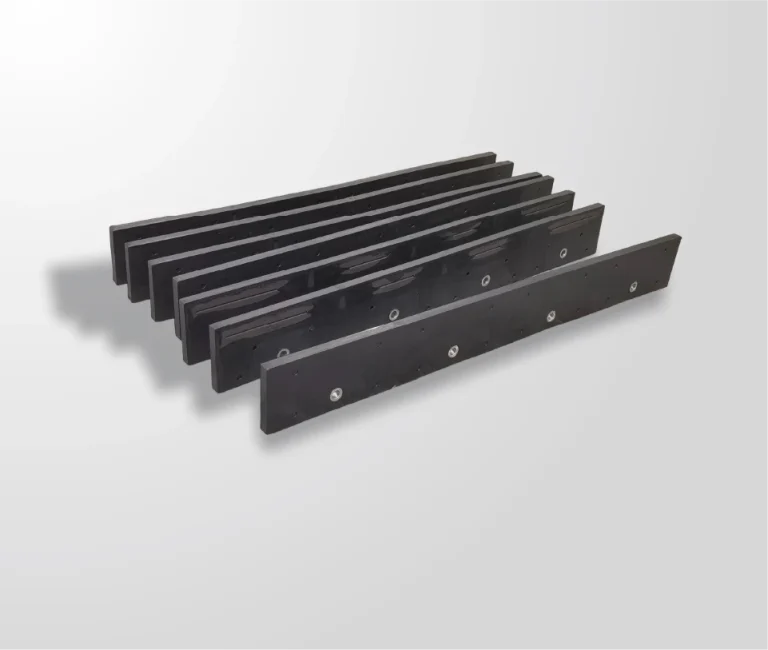
Sources
- FHWA — Manual of Practice for an Effective Anti-icing Program
- OSHA — Tungsten and Cobalt Sampling Method
- U.S. CBP — Marking of Country of Origin on U.S. Imports
FAQs
What is the difference between carbide and steel snow plow cutting edges?
Steel edges are a conventional wear-part option, while carbide-equipped edges incorporate tungsten carbide at the working surface or in inserts. The right choice depends on abrasion, impact exposure, road texture, plow setup, budget, and verified field performance — not a universal material ranking.
How is a JOMA-style blade different from a conventional carbide snow plow blade?
A JOMA-style blade is a segmented system described by SENTHAI as carbide inserts brazed into steel segments and encased in a rubber shell. A conventional carbide blade uses a carbide-and-steel blade structure, while a packed-ice carbide kit uses isolated carbide insert architecture; these systems should not be specified as interchangeable.
Can SENTHAI manufacture replacement blades from drawings or samples?
SENTHAI states that it can discuss customization from drawings, samples, or required specifications. Buyers should provide complete fit data and agree on drawing revision, dimensions, inspection criteria, and acceptance requirements before production.
What carbide grade, steel carrier, or rubber specification should be selected?
The answer should be based on the specific plow architecture, expected impact conditions, road surface, route speed, temperature range, and assembly method. Ask SENTHAI to confirm the product-specific requirements for the quoted configuration.
Can buyers request samples, MOQ, price, and lead time?
Yes, through the RFQ process, confirmed for the actual drawing, quantity, packaging method, destination, production schedule, and seasonal demand period rather than assumed from general website content.
Are SENTHAI blades compatible with every truck, tractor, ATV, or plow?
No universal-fit claim should be assumed. Compatibility must be validated against the equipment model, plow drawing, edge thickness, hole pattern, mounting structure, clamp arrangement, hardware grade, and physical installation results.
Can buyers rely on ISO certificates, patents, or performance claims without further review?
No. Request current certificates, patent references, material records, inspection reports, and test data that apply to the quoted legal entity, product, production site, and batch. A management-system certificate does not automatically establish product certification or field performance.
Does Thailand manufacture determine the product’s trade treatment?
Not by itself. Country of origin, customs marking, tariff treatment, and trade documentation depend on the applicable destination-market rules and specific production facts; U.S. CBP explains that origin analysis can involve whether substantial transformation creates an article with a new name, character, or use.
Related Articles
- The Fleet TCO Model for Snow Plow Blades
- Snowplow Blade Replacement: A Procurement Framework
- Carbide Insert Grading Blades for Heavy Road Maintenance
- How Do Hybrid Blades Combine Carbide, Rubber, and Ceramic?
- How Can North American Snow Blade Buyers Find Reliable Suppliers?
Official Resources
Related articles
 Best Snow Plow Blade Family for Your Fleet: Top 5 ScenariosKnowledge
 Top 10 Snow Plow Blade Types for Winter Fleets (Ranked by Duty Fit)Knowledge
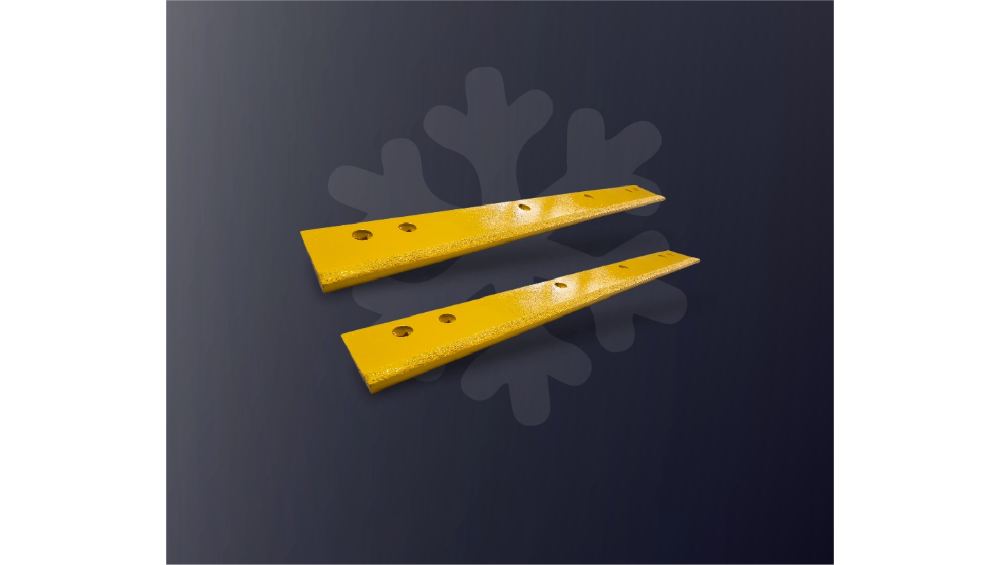 Top 5 Best Carbide Blade Configurations for Highway PlowingKnowledge
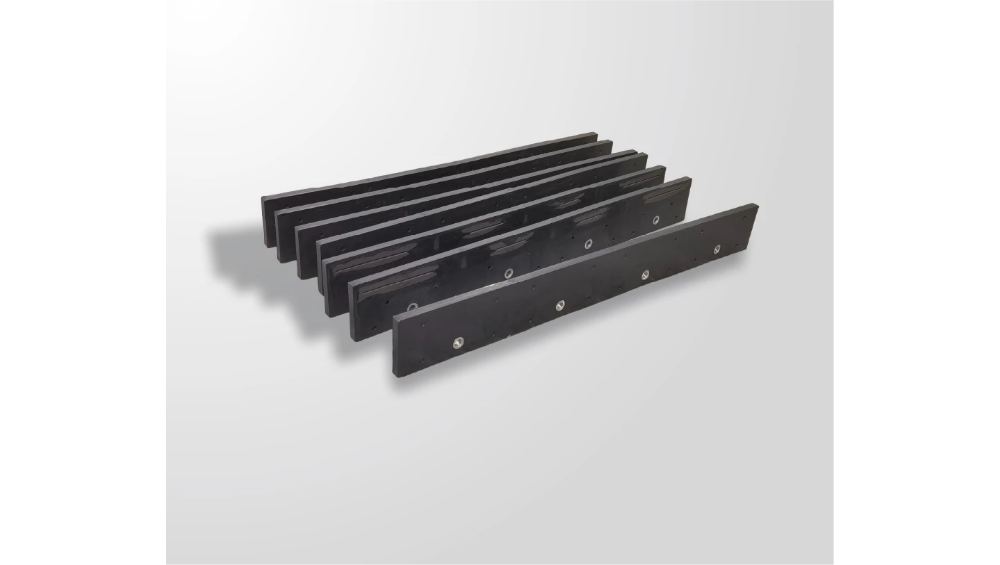 Best Snow Plow Blade Materials Ranked: Steel vs Carbide vs Cladding vs Rubber-CarbideKnowledge