




Rising tariffs on Chinese steel and alloy imports are reshaping North American supply chains for carbide blades — and sourcing from Thailand factories offers geopolitical security, cost stability, and 20–30% faster lead times. Thai…
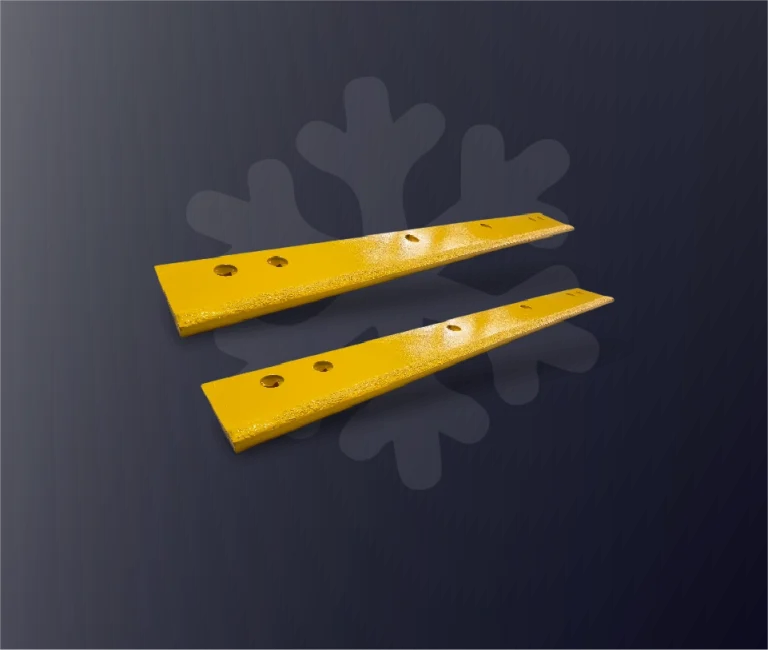
Rising tariffs on Chinese steel and alloy imports are reshaping North American supply chains for carbide blades — and sourcing from Thailand factories offers geopolitical security, cost stability, and 20–30% faster lead times. Thai producers also deliver 40–50% export cost savings to North America through automation and Board of Investment incentives.
(Last modified date: September 2, 2026)
Quick definition: North American buyers face steep tariffs on Chinese-produced steel and alloy components, with rates exceeding 25% on key carbide materials under Section 301 policies.
Key Takeaways
- Section 301 tariffs exceeding 25% on key carbide materials raise costs for China-sourced blades.
- Thailand factories offer 40–50% cost savings on exports and 20–30% faster lead times via ports like Laem Chabang.
- Thailand’s neutral trade stance shields buyers from U.S.–China frictions.
- US-invested Thai manufacturers combine ISO-certified quality with full in-house process control.
Market Context: Tariff Challenges on Chinese Imports
North American buyers face steep tariffs on Chinese-produced steel and alloy components, with rates exceeding 25% on key carbide materials under Section 301 policies. These duties inflate costs for road maintenance carbide blades and disrupt budgets for municipal snow removal and highway projects. According to USTR data from 2025, alloy import tariffs from China hit record highs, pushing infrastructure managers toward alternative suppliers. Thailand’s stable political environment and Eastern Economic Corridor incentives position it as the go-to for risk-averse procurement. See the isolated carbide-edged packed ice kit for the product side.
Thailand Factory Advantages for Supply Chain Resilience
Thailand factories excel in carbide blade manufacturing due to lower labor costs, advanced automation, and proximity to ASEAN raw materials. Unlike China-dependent chains vulnerable to tariffs, Thai producers deliver blades with 40–50% cost savings on exports to North America. Thailand’s Board of Investment perks — including tax holidays for high-tech carbide tool facilities in Rayong province — reinforce the advantage. Road maintenance buyers report 20–30% faster lead times from Thai factories thanks to efficient ports like Laem Chabang. See the ISO carbide manufacturer guide.
SENTHAI Carbide Tool Co., Ltd. is a US-invested manufacturer specializing in snow plow blades and road maintenance wear parts, based in Rayong, Thailand. With over 21 years of experience, SENTHAI combines advanced technology, efficient cost control, and strict quality assurance, trusted by over 80 global partners.
Quality Assurance in Thai Carbide Blade Production
Thai producers combine technical expertise with full in-house control: powder blending, pressing, sintering, welding, and inspection on automated lines. ISO 9001/14001 certification, batch traceability, and documented process records give buyers the same assurance they would demand from any Tier-1 supplier. See why recycled carbide inserts fail from trace contaminants for the quality-control stakes.
Risk Mitigation for Large Project Procurement
- Diversify sourcing away from single-country dependence.
- Lock multi-season contracts with documented pricing formulas.
- Require batch traceability and mill/test certificates.
- Verify port and logistics capacity before large orders.
Competitor Comparison: Thailand vs China Sourcing
| Aspect | China Sourcing | Thailand Sourcing |
|---|---|---|
| Tariff exposure | High (25%+) | Low |
| Cost to North America | Rising | 40–50% savings |
| Lead time | Customs delays | 20–30% faster |
| Geopolitical risk | High | Low |
Real User Cases: Proven ROI from Thai Blades
Municipal fleets shifting to Thai-sourced carbide blades report stable pricing across seasons, on-time delivery for pre-storm stocking, and lower cost per mile from carbide wear life. Distributors avoid customs holds that previously delayed spring and fall reorders.
Core Technology Behind Thai Carbide Excellence
Thai factories use automated sintering, precision grinding, and robotic brazing to deliver consistent insert bonding and edge geometry. The same processes that make JOMA-style and I.C.E. blades reliable on North American roads also make them traceable and repeatable across batches.
Future Trends in Carbide Blade Sourcing
Expect continued diversification away from single-country supply, more US-invested production hubs in ASEAN, and procurement scorecards that weight geopolitical stability as heavily as price. See what nature’s ice melter is and why it matters for adjacent winter-maintenance procurement topics.
FAQs
Why source carbide blades from Thailand instead of China?
Thailand avoids high Section 301 tariffs, offers 40–50% export cost savings, faster lead times, and lower geopolitical risk.
Are Thai carbide blades as good as Chinese-made ones?
Yes — leading Thai factories combine ISO-certified quality with full in-house control and batch traceability, often exceeding generic import quality.
How much faster are Thai lead times?
Buyers report 20–30% faster delivery thanks to efficient ports and fewer customs holds.
Is Thailand politically stable for long-term contracts?
Thailand’s neutral stance and BOI-backed industrial zones make it a stable base for long-term carbide sourcing.
Related Articles
Official Resources
- SENTHAI — Carbide Snow Plow Blades
- SENTHAI — Replaceable Carbide Inserts
- SENTHAI — Contact for Sourcing Strategy
References
- USTR Section 301 tariff data, 2025.
- SENTHAI export and logistics data for North American deliveries, 2026.
Related articles
 How to Select a Rear Snow Plow Blade for Professional Snow RemovalHot Products
 What John Deere Snow Plow Blade Sizes Fit 1-5 Series Tractors?Hot Products
 How to Set Back Blade Snow Plow Height on Gravel Roads?Hot Products
 How Does HRA Hardness in Tungsten Carbide Snow Plow Blades Handle High-Speed Impacts?Hot Products