The Tribology of Ice: Benefits of Tungsten Carbide Studs on Ice Resurfacer Tires for Traction and Hydrostatic Efficiency
Tungsten carbide studs on ice resurfacer tires solve one of the most important and least understood problems in arena operations: traction loss on the microscopic liquid boundary layer of rink ice. By penetrating that…
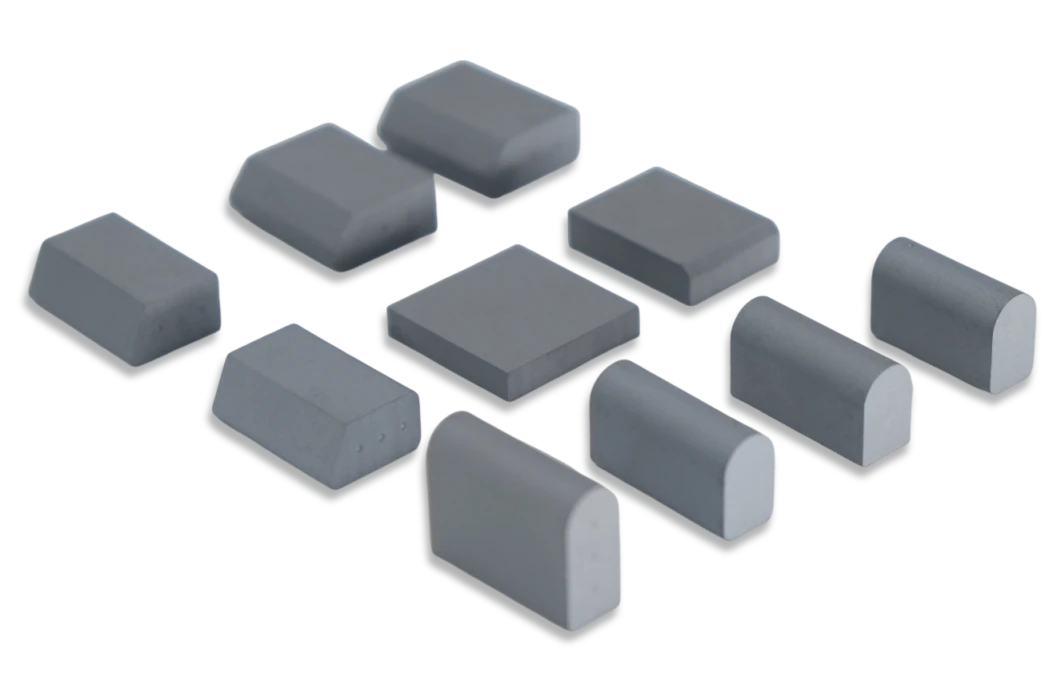
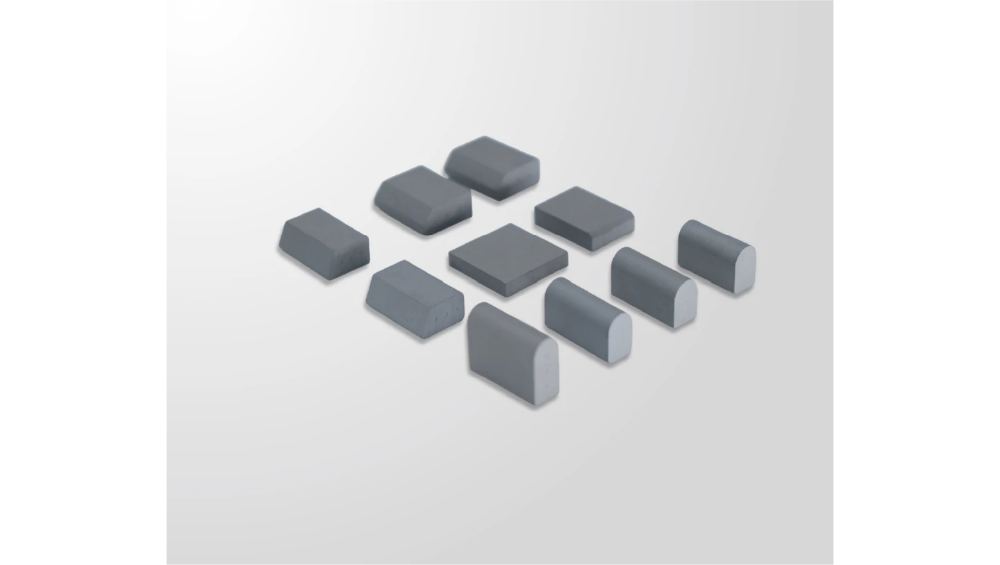
Tungsten carbide studs on ice resurfacer tires solve one of the most important and least understood problems in arena operations: traction loss on the microscopic liquid boundary layer of rink ice. By penetrating that ultra-slick film, carbide studs eliminate micro-slippage, cut thermal-friction damage to rubber, and extend tire lifespan by three to five seasons — while protecting hydrostatic drives from damaging pressure spikes.
(Last modified date: September 2, 2026)
Quick definition: Professional arena ice, maintained around 0°C to −5°C, is not a simple solid surface.
Key Takeaways
- Professional arena ice develops a 1–10 micrometer liquid-like layer under load, dropping the coefficient of friction from ~0.15 to 0.02–0.05.
- Stud tips concentrate weight into tiny areas, generating contact pressures exceeding 1,000 kPa that pierce the boundary film and engage solid ice.
- Eliminating micro-slippage reduces frictional heating and tearing, extending tire life ~3–5× versus non-studded tires.
- Carbide studs outlast hardened steel (3–5 seasons vs 1–2) with better wear and corrosion resistance; see carbide stud specs and procurement.
The Liquid Boundary Layer Problem
Professional arena ice, maintained around 0°C to −5°C, is not a simple solid surface. Under the weight of heavy machinery, it develops a microscopic liquid-like layer that acts as a lubricant between rubber and ice. A three-ton ice resurfacer produces contact pressures easily above 100 kPa at the tread blocks; localized pressure and friction generate enough heat to melt a thin film of water, typically 1–10 micrometers thick, which reduces the coefficient of friction from about 0.15 on dry hard ice to 0.02–0.05 on wet ice. For plain rubber tires, the rubber deforms and spreads out, lowering pressure per unit area, generating more frictional heating, melting more ice, and thickening the liquid layer — a runaway feedback loop that causes continuous micro-slippage during acceleration, deceleration, and sharp turns. Over a season, thermal-friction tearing chews up tire casings, making non-studded tires a short-lived, risky choice for professional arenas.
Micro-Cleat Mechanics
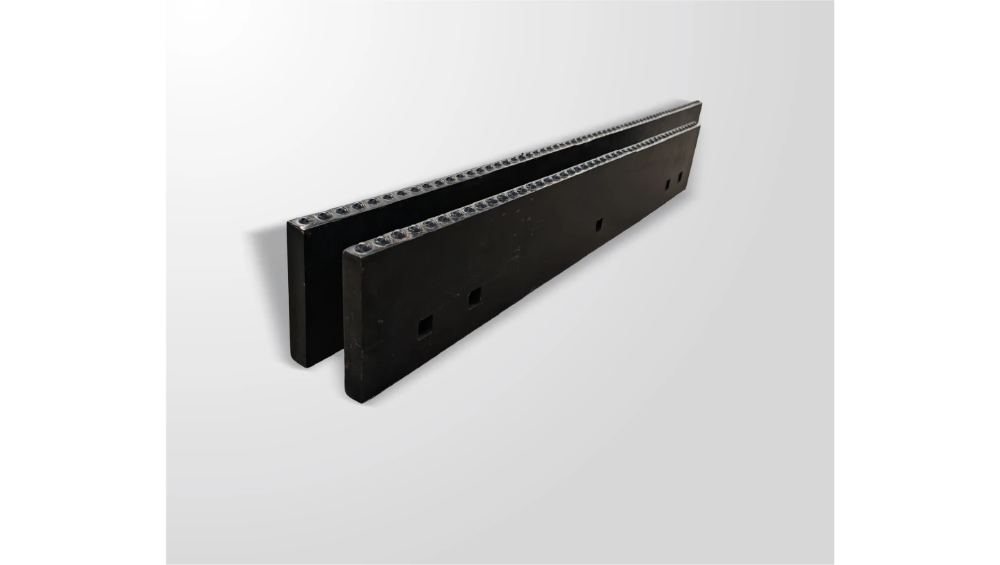
Tungsten carbide studs act as localized high-pressure micro-cleats that mechanically punch through the liquid boundary layer and engage solid ice. A typical stud tip with 1.5–2.0 mm extension has a very small contact area, so the machine’s weight is concentrated into that area, generating contact pressures exceeding 1,000 kPa at the stud-ice interface. This pressure pierces the liquid boundary layer and allows the stud to engage solid ice beneath, re-establishing mechanical interlock and traction. See also how the I.C.E. blade is designed for B2B use and the advantages of I.C.E. blades.
Hydrostatic Drive Protection
Continuous slippage produces uncontrolled torque release and pressure spikes, stressing pumps, valves, and differential components. The drivetrain can experience wheel-hop and harmonic vibrations at the axle, increasing wear and raising the risk of failure during critical ten-minute resurfacing windows. Studded tires anchor the tread to solid ice, preventing the micro-slippage that drives these pressure spikes.
Tungsten Carbide vs Hardened Steel
| Property | Tungsten carbide | Hardened steel |
|---|---|---|
| Hardness | Higher | Lower |
| Wear resistance | Superior | Moderate |
| Corrosion resistance (moist rink) | Superior | Lower |
| Service life | 3–5 seasons | 1–2 seasons |
Optimal Stud Configuration
400-stud layouts are a “Goldilocks” configuration for traction: enough studs to maintain mechanical interlock without excessive ice damage or ride harshness. Balance stud density with the arena’s ice temperature, machine weight, and turn frequency. See also what makes I.C.E. blades ideal for Thai manufacturers.
FAQs
What is the microscopic mechanism of tungsten carbide studs biting into arena ice?
Studs concentrate the machine’s weight into tiny contact areas, generating pressures exceeding 1,000 kPa at the stud tip. This pierces the liquid boundary layer and allows the stud to engage solid ice beneath, re-establishing mechanical interlock and traction.
How do studded tires prevent rubber degradation on commercial ice rink machinery?
Studded tires anchor the tread to solid ice and eliminate continuous micro-slippage on the liquid boundary layer, reducing frictional heating and tearing — extending tire lifespan approximately 3–5× versus non-studded tires.
What happens to a hydrostatic drive system if the tires slip continuously?
Continuous slippage produces uncontrolled torque release and pressure spikes, stressing pumps, valves, and differential components, with wheel-hop and harmonic vibrations at the axle increasing wear and failure risk.
Why is tungsten carbide superior to hardened steel for tire studs in indoor arenas?
Carbide offers higher hardness, better wear resistance, and superior corrosion resistance in moist rink environments, yielding 3–5 seasons of service versus 1–2 for many hardened steel studs.
How does the liquid boundary layer of arena ice affect heavy machine traction?
The thin water film (1–10 micrometers) reduces the coefficient of friction from around 0.15 to as low as 0.02–0.05, causing persistent micro-slip unless studs pierce the layer and grip solid ice.
Related Articles
- Ice Resurfacer Carbide Studs: Specs, Traction, and Procurement
- How Is the I.C.E. Blade Interchangeable Carbide Edge Designed for B2B Use?
- What Are the Advantages of I.C.E. Blade for Ice and Snow Control?
- What Makes I.C.E. Blade Ideal for Thai Manufacturers?