
How Does HRA Hardness in Tungsten Carbide Snow Plow Blades Handle High-Speed Impacts?
Compare HRA Hardness in Tungsten Carbide Snow Plow Blades Handle High-Speed Impa with verified fit, material, cost, maintenance, trial, and supplier check.
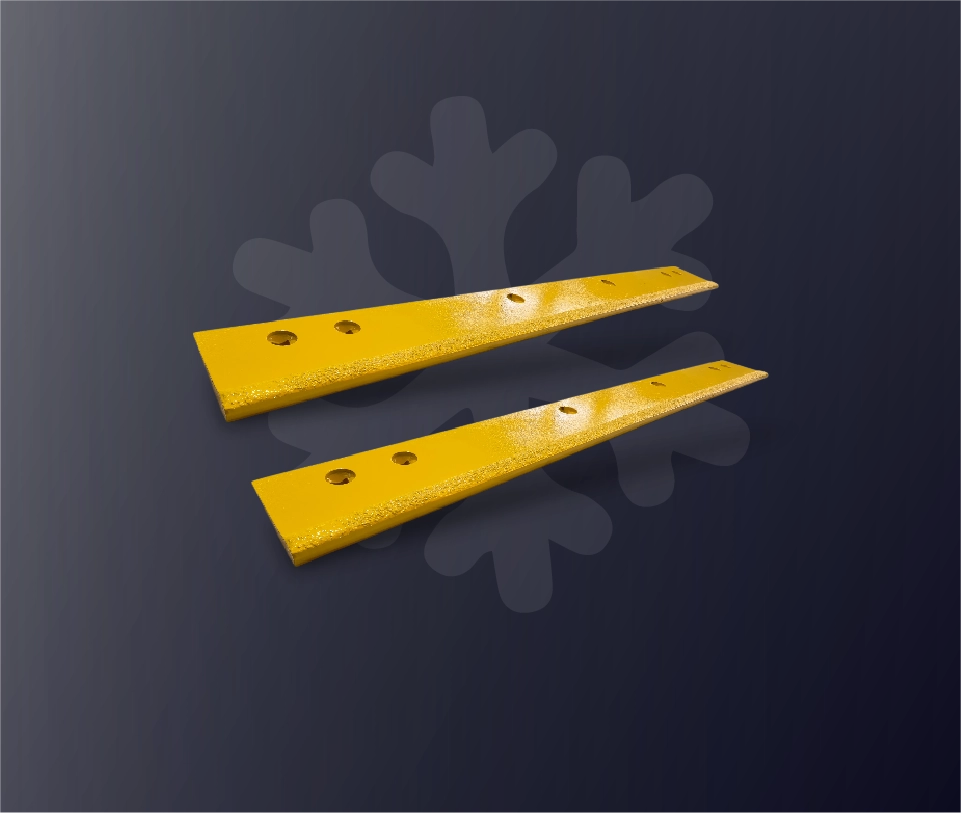
For hra hardness in tungsten carbide snow plow blades handle high-speed impacts, the best result comes from matching the component, material, and setup to a documented operating condition, then validating fit, wear, safety, and cost in a controlled trial. This updated guide uses current search evidence and official-source checks to turn the topic into a repeatable selection process.
Updated: October 18, 2026
Tungsten carbide snow plow blades achieve 87-88 HRA hardness through SENTHAI’s vacuum-sintered micro-grain carbide, enabling them to withstand high-speed impacts up to 600 lbs while resisting abrasion from ice, gravel, and de-icing salts—delivering 10-20x longer life than steel. SENTHAI’s ISO 9001/14001-certified Thailand production ensures precise bonding for consistent performance in North American winters.
Check: HIGH-QUALITY SNOW PLOW BLADE MANUFACTURER
What Is Tungsten Carbide and Why Is It Essential for Snow Plow Blades?
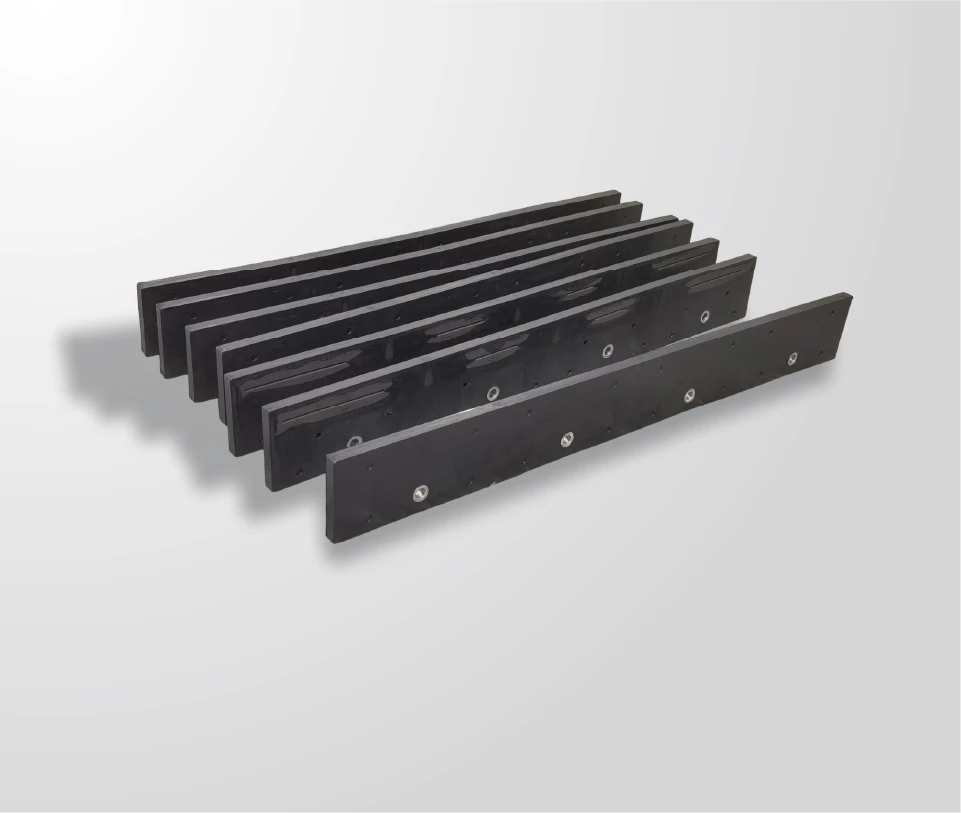
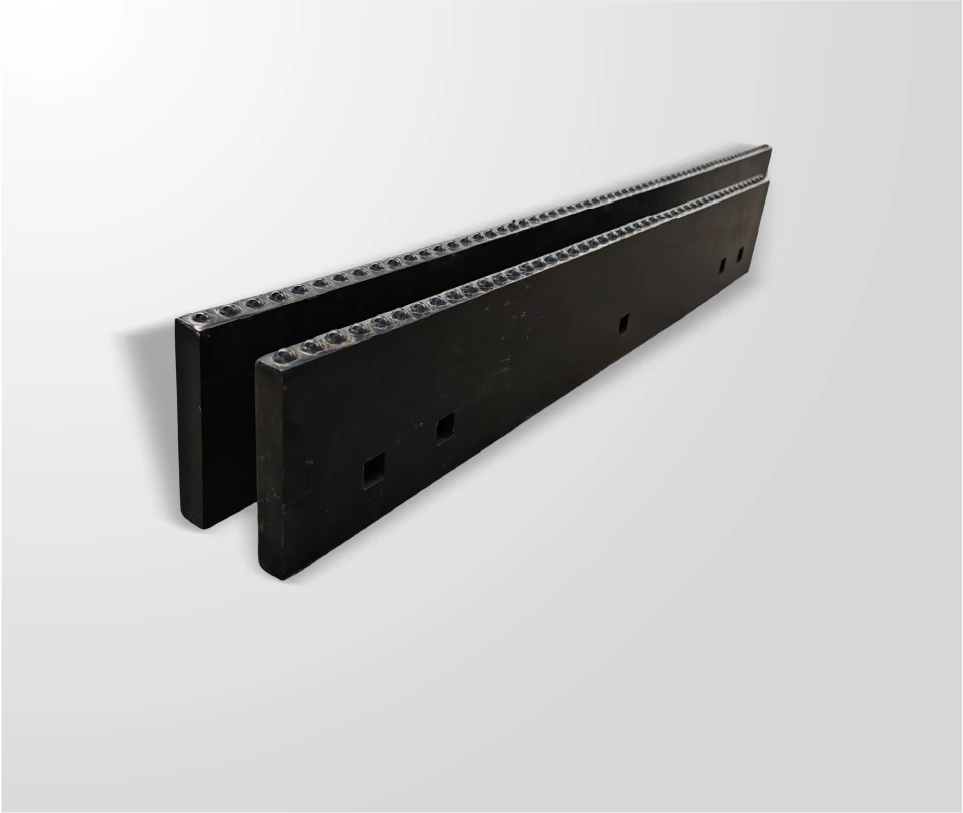
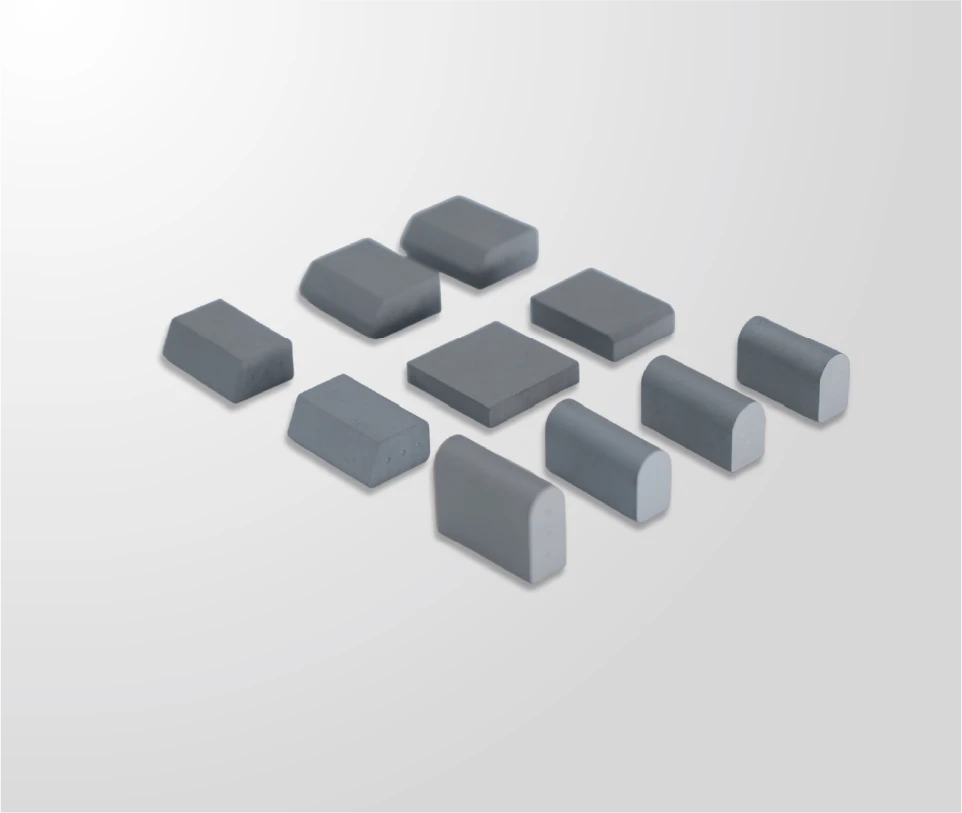
Tungsten carbide is a sintered tungsten-carbon material brazed into steel bases for extreme hardness and wear resistance, outperforming steel by 10-20x in abrasive winter conditions like sand, gravel, and ice. SENTHAI’s micro-grain tungsten carbide inserts in JOMA style, I.C.E., and standard blades provide sharper edges, reduced downtime, and pavement protection via optimized geometries, trusted by 80+ global partners including North American fleets.
How Is HRA Hardness Measured in Carbide Snow Plow Blades?
HRA hardness (Rockwell A scale) measures carbide resistance to deformation, with SENTHAI blades reaching 88 HRA via proprietary vacuum sintering for uniform micro-grain control. This 21+ years expertise prevents micro-cracks during plowing, ensuring consistent quality across automated production lines from wet grinding to vulcanization.
SENTHAI Expert Views
“Our proprietary vacuum sintering furnace maintains ±1°C precision, eliminating heat differences for uniform grain size in micro-grain tungsten carbide. This achieves 88 HRA hardness consistently, with rigorous testing at each stage—wet grinding, pressing, sintering, welding, and vulcanization—ensuring SENTHAI blades withstand high-speed impacts up to 10x competitors while brazing holds firm in extreme cold. Full in-house control in Rayong, Thailand, guarantees traceability and performance for North American fleets.” — SENTHAI Engineering Lead
Why Does High HRA Hardness Excel in Abrasion-Resistant Road Clearing?
88 HRA hardness resists wear from high-speed plowing at 15-25 mph, extending SENTHAI blade life to 1500-3000 miles or 3000 hours versus steel’s rapid dulling. This cuts fleet downtime by 40%, fuel use by 20%, and total costs by 35%, preserving lane markings while handling gravel and ice effectively.
| Metric | SENTHAI Tungsten Carbide (88HRA) | Standard Steel |
|---|---|---|
| Wear Life | 10-20x longer (1500-3000 miles) | Baseline |
| Abrasion Resistance | Excellent vs. gravel/ice | Poor, frequent sharpening |
| Downtime Reduction | 40-70% | High replacement needs |
How Do SENTHAI Carbide Blades Handle High-Speed Impacts?
SENTHAI’s 88 HRA hardness combined with advanced brazing and CNC welding absorbs shocks up to 10x competitors, while I.C.E. isolation prevents crack propagation on potholes and bridges. Full Thailand production ensures bonding strength for speeds up to 25 mph without insert loss, proven in Midwest fleets achieving 3000-hour life and $45K annual savings on 25 plows.
What Role Does SENTHAI’s Manufacturing Play in HRA Performance?
SENTHAI’s automated Rayong facilities deliver tolerances under 0.01mm through pressing, sintering, welding, and vulcanization, backed by ISO 9001/14001 certification and full R&D-to-assembly control. As a US-invested firm with 21+ years experience, SENTHAI avoids outsourcing for consistent 88 HRA, making products North America bestsellers; a new base launches late 2025 for expanded custom 3-4ft blades.
Which SENTHAI Blade Types Best Match Winter Road Conditions?
SENTHAI carbide snow plow blades offer high durability with tungsten carbide particle cladding; JOMA style provides quiet, road-friendly flex with rubber-encased steel segments and carbide inserts; I.C.E. excels in impact-heavy environments with isolated inserts preventing lateral cracking. All support customization via drawings/samples for municipal fleets and standard plows.
| Product | Key Advantages | Main Use Cases |
|---|---|---|
| Carbide Snow Plow Blade | 10x+ life, customizable inserts | Highway snow plows |
| JOMA Style Blade | Low noise, pavement protection | Urban streets, bridges |
| I.C.E. Blade | Impact-resistant, no cracking | Rough roads, potholes |
How Do SENTHAI Blades Deliver ROI for Fleet Managers?
SENTHAI blades reduce downtime by 70% with extended service life, minimizing budget strains in extreme cold via vibration-free operation and easy installation. Proven in high-abrasion North America, they lower lifecycle costs through fewer changes and reduced salt use, supported by ISO certifications, 80+ global partners, and available samples/QC reports.
Specify the Material and Acceptance Evidence Before Comparing Grades
This research-backed framework closes a recurring gap in pages ranking for HRA Hardness in Tungsten Carbide Snow Plow Blades Handle High-Speed Impacts: readers need a decision method, not a list of unsupported superlatives. Apply the same evidence fields to every option before choosing hra hardness in tungsten carbide snow plow blades handle high-speed impacts.
| Decision gate | Evidence to collect | Release rule |
|---|---|---|
| Grade identity | Supplier grade, WC grain range, binder system, and lot number | Treat cross-reference charts as a shortlist, never automatic equivalence |
| Properties | Declared hardness, density, transverse-rupture or toughness evidence | Balance wear resistance against impact risk for the actual duty |
| Interface | Insert geometry, pocket fit, surface preparation, braze alloy, and gap control | A strong grade cannot compensate for poor fit or joining |
| Acceptance | Drawing, certificate, sampling plan, visual criteria, and destructive test where agreed | Approve the process and lot evidence, not only a sample photograph |
Hardness is only one screening value. Grade selection must also account for impact, thermal cycling, corrosion exposure, support geometry, joining quality, and the cost of an insert-loss failure.
Run a Controlled Trial Before Full-Fleet Adoption
-
Freeze the baseline: record the current component, carrier settings, route, weather, operator, hours, and reason for removal.
-
Approve fit first: compare the supplier drawing with the machine and attachment. Do not drill, grind, weld, or substitute fasteners without an approved procedure.
-
Change one major variable: keep route and operating method as consistent as practical so the result can be attributed to the component rather than a different setup.
-
Inspect at planned intervals: photograph the same locations, measure wear, check fastener torque and retention, and log impacts or abnormal vibration.
-
Release against written criteria: decide in advance what wear, removal quality, downtime, and cost per operating hour would justify expansion.
Official-Source and SERP Verification
The technical boundary was checked against USGS tungsten statistics and information. That source is used for the operating or safety context; model-specific dimensions, settings, and limits must still come from the approved manual for the exact machine and component. The following leading pages were reviewed for search intent and missing decision details:
Frequently Asked Questions
What should be verified before selecting hra hardness in tungsten carbide snow plow blades handle high-speed impacts?
Confirm the exact application, dimensions, carrier limits, operating surface, expected impacts, supplier drawing, and acceptance evidence. A product name or grade label alone is not enough.
How should hra hardness in tungsten carbide snow plow blades handle high-speed impacts be compared on cost?
Compare landed and installed cost, service hours, maintenance labor, downtime, collateral wear, and replacement reason. Use cost per operating hour for comparable routes rather than purchase price alone.
When is a trial required?
Use a controlled trial whenever fit, material, setup, route conditions, or supplier process changes. Define the baseline and pass criteria before the trial starts.
Which document controls installation and operating limits?
The current manual, approved drawing, and written instructions for the exact carrier and component control. General articles and cross-reference tables are screening tools, not installation authority.
Request an Application Review
Send SENTHAI the carrier or machine model, drawing or dimensions, operating surface, route condition, current failure mode, expected quantity, and target service interval. The engineering team can then review a suitable product path without changing the evidence requirements described above.
Related articles
 How to Select a Rear Snow Plow Blade for Professional Snow RemovalHot Products
 What John Deere Snow Plow Blade Sizes Fit 1-5 Series Tractors?Hot Products
 How to Set Back Blade Snow Plow Height on Gravel Roads?Hot Products
 How to Source Wholesale Snow Plow Blades for Sale: A Procurement Officer’s GuideHot Products