




How do thin kerf carbide blades benefit circular saws for manufacturers and suppliers?
Thin kerf carbide blades enhance circular saw efficiency by reducing motor load, minimizing material waste, and improving cut precision — giving manufacturers, wholesalers, and OEMs faster production cycles, longer blade life, and lower energy…
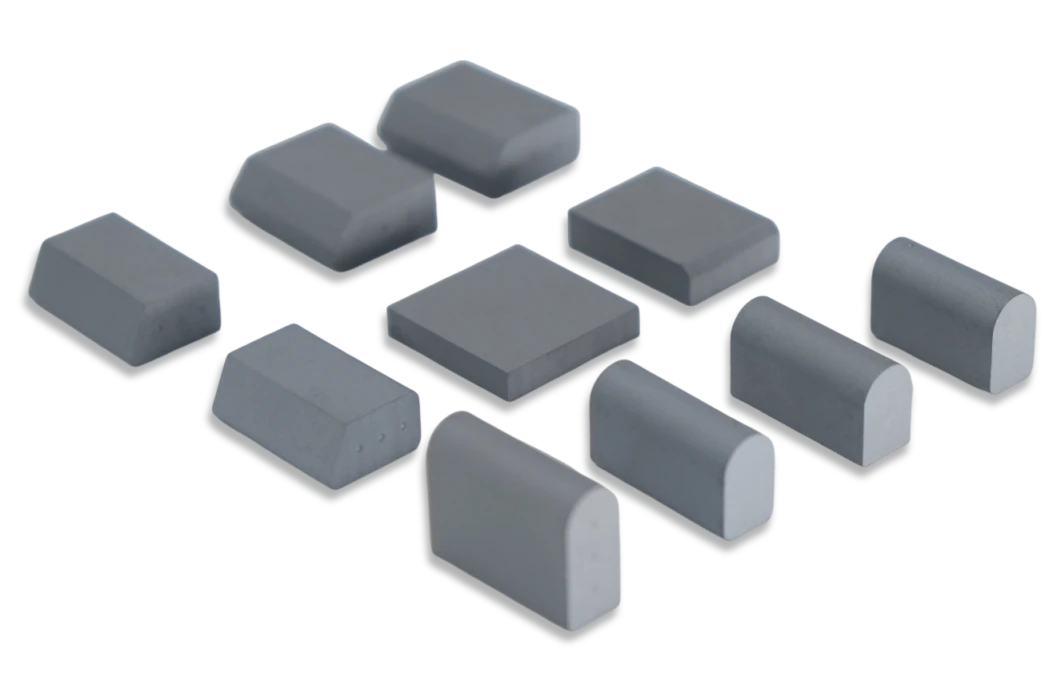
Thin kerf carbide blades enhance circular saw efficiency by reducing motor load, minimizing material waste, and improving cut precision — giving manufacturers, wholesalers, and OEMs faster production cycles, longer blade life, and lower energy consumption. SENTHAI’s carbide construction keeps teeth sharp and bonds strong.
(Last modified date: September 2, 2026)
Quick definition: A thin kerf blade removes less material with each cut, reducing the motor’s workload and heat generation.
Key Takeaways
- Thin kerf removes less material per cut, reducing motor load and heat.
- Benefits include lower energy, less waste, cleaner cuts, and reduced vibration.
- Best on wood, laminates, plywood, and engineered materials.
- SENTHAI provides vertically integrated, ISO-certified production for OEM and wholesale.
How Does a Thin Kerf Carbide Blade Work in a Circular Saw?
A thin kerf blade removes less material with each cut, reducing the motor’s workload and heat generation. This allows higher feed rates and smoother operation, resulting in stable, accurate cuts. SENTHAI’s carbide construction ensures teeth retain sharpness longer and maintain strong bonding. See what makes a carbide circular saw blade the best choice for industrial buyers.
What Are the Main Advantages for Industrial Cutting?
| Advantage | Industrial Benefit | SENTHAI Feature |
|---|---|---|
| Reduced power load | Lower energy costs | Durable carbide construction |
| Minimal material waste | Higher efficiency | Optimized kerf thickness |
| Cleaner cuts | Less finishing work | Precision teeth geometry |
| Reduced vibration | Improved operator safety | Stable bonding strength |
See carbide, JOMA, and packed ice solutions for Ottawa.
Which Materials Are Best Suited for Thin Kerf Carbide Blades?
Thin kerf carbide blades excel on wood substrates, laminates, plywood, and engineered materials where kerf control and heat management are critical. SENTHAI carbide blades also maintain consistent wear life on abrasive surfaces for road maintenance and snow removal. See road snow removal technology for safer highways.
Why Should Manufacturers Consider SENTHAI?
SENTHAI provides vertically integrated, ISO-certified production, ensuring consistent bonding strength and wear resistance. OEMs and wholesalers benefit from scalable capacity, fast lead times, and private-label support. The Rayong facility expansion in 2025 guarantees reliable delivery. See how to sharpen a carbide circular saw blade.
How to Choose the Right Thin Kerf Blade for a Saw Setup?
- Match diameter, arbor size, and RPM rating to the saw.
- Select tooth count for the material: more teeth for finish, fewer for feed.
- Verify kerf width against cut requirements.
- Confirm the blade is rated for the motor power.
What Are Common Misconceptions About Thin Kerf Blades?
- “Thin kerf always deflects” — quality carbide blades with proper tensioning stay stable.
- “Only for softwood” — thin kerf carbide handles laminates and engineered materials.
- “Lower durability” — carbide tips retain sharpness far longer than steel.
What Benefits Do Thin Kerf Blades Bring to Production Costs?
Lower energy consumption, less waste per cut, faster feeds, and fewer changeouts reduce cost per cut across high-output operations. See how Fisher plow parts help conquer winter challenges.
Are There Performance Considerations When Upgrading?
Confirm the saw can maintain the required RPM under load and that the arbor/hub matches. Thin kerf blades shine at high feed rates with stable material support. See how to maintain retainer clips and pick sockets.
FAQs
Do thin kerf blades really save energy?
Yes — removing less material reduces motor load, cutting energy consumption in production settings.
Are thin kerf blades less durable?
No — carbide tips retain sharpness and bonding, delivering long life despite the thinner body.
Can thin kerf blades handle engineered materials?
Yes — they excel on laminates, plywood, and engineered boards where kerf control matters.
Does SENTHAI support OEM and wholesale programs?
Yes — custom specs, private label, and scalable capacity are available.
Related Articles
- Carbide Circular Saw Blades for Industrial Buyers
- Sharpening Carbide Circular Saw Blades
- Snow Plow Blades for Ottawa
- Road Snow Removal Technology
Official Resources
References
- Industrial saw blade efficiency data, 2025–2026.
- SENTHAI carbide blade production documentation.
Related articles
 Best Snow Plow Blade Family for Your Fleet: Top 5 ScenariosKnowledge
 Top 10 Snow Plow Blade Types for Winter Fleets (Ranked by Duty Fit)Knowledge
 Top 5 Best Carbide Blade Configurations for Highway PlowingKnowledge
 Best Snow Plow Blade Materials Ranked: Steel vs Carbide vs Cladding vs Rubber-CarbideKnowledge