




How Can Plow Markers Enhance Snow Removal Efficiency?
Plow markers improve snow removal efficiency by giving the operator a clear reference for the blade's edge position, which reduces misalignment, rework passes, and fuel burn in low-visibility conditions. Carbide-reinforced markers such as SENTHAI's…
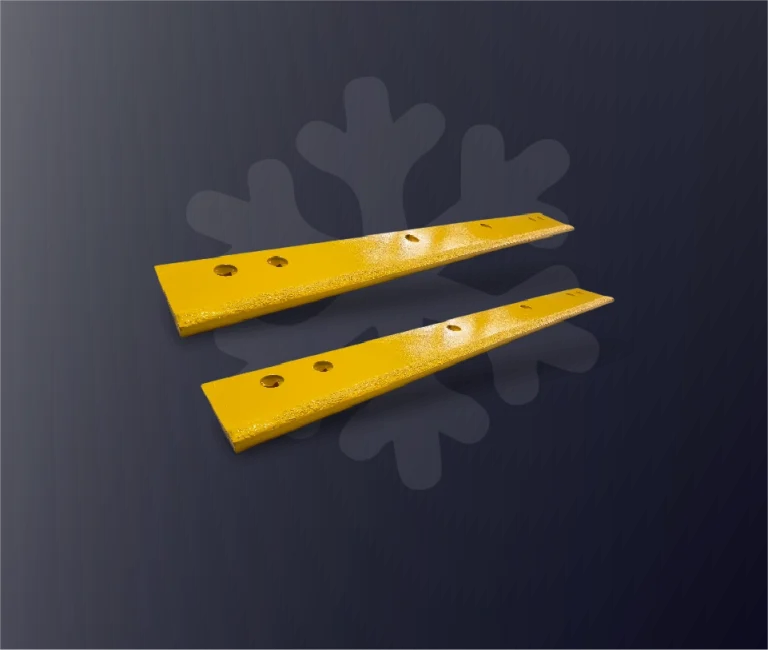
Plow markers improve snow removal efficiency by giving the operator a clear reference for the blade’s edge position, which reduces misalignment, rework passes, and fuel burn in low-visibility conditions. Carbide-reinforced markers such as SENTHAI’s last through -50°F winters and integrate with carbide blades to keep sightlines clear.
(Last modified date: September 2, 2026)
Quick definition: U.S.
Key Takeaways
- Markers give operators a visual edge reference, cutting rework passes and fuel consumption on night and storm shifts.
- Traditional plastic or steel markers crack below -20°F and fade, requiring 2–3x more replacements per year.
- SENTHAI markers use stainless steel bases with carbide-reinforced rods rated to -50°F.
- Pairing markers with carbide blades protects the edge and keeps the marker sightline accurate.
What Is the Current State of Snow Plowing Operations?
U.S. cities spend over $2.5 billion annually on winter maintenance, according to the American Public Works Association (APWA) 2023 report, and NOAA data shows a 15% rise in snow events since 2020. Operators struggle with poor visibility, which leads to blade misalignment and up to 20% higher fuel consumption from inefficient passes. A 2024 Federal Highway Administration survey found 62% of municipalities report underfunding for equipment upgrades, while standard blades last only 40–50% of their potential lifespan without proper markers. During blizzards, unmarked plows cause 30% more rework passes and 25% higher labor costs, per a 2025 Snow & Ice Management Association (SIMA) report. See how bolt plows revolutionize snow removal efficiency for related equipment strategy.
Why Do Traditional Plow Markers Fall Short?
Standard plastic or basic steel markers crack at temperatures below -20°F, with failure rates up to 40% in extreme conditions per SIMA field tests. Cheap materials fade or break, reducing effectiveness by 50% after 10 uses, according to a 2024 equipment durability study by the National Snow and Ice Control Association. Basic markers require 2–3x more replacements yearly, inflating expenses by 35% versus durable alternatives per APWA cost analyses. They also lack integration with carbide blades, causing inconsistent visibility. See also how carbide scraper blades achieve zero-residue clearing.
What Makes SENTHAI Plow Markers the Superior Solution?
SENTHAI plow markers feature stainless steel bases with flexible, carbide-reinforced rods that endure -50°F conditions and maintain high visibility. Integrated with SENTHAI’s carbide blades, they help operators keep the cutting edge aligned with the road edge in whiteout and night operations. Trusted by more than 80 global partners, SENTHAI builds markers and blades with the same ISO-certified quality control. For supplier verification, see the 9-point carbide blade supplier audit.
How Do SENTHAI Markers Compare to Traditional Options?
| Feature | Traditional Markers | SENTHAI Carbide-Reinforced Markers |
|---|---|---|
| Cold rating | Crack below -20°F | Rated to -50°F |
| Base material | Plastic or basic steel | Stainless steel |
| Replacement rate | 2–3x per year | Seasonal or better |
| Integration | Standalone | Pairs with carbide blade systems |
How Can You Install SENTHAI Plow Markers Step-by-Step?
- Clean the moldboard mounting area and confirm hole spacing.
- Attach the stainless base with the supplied hardware; torque per spec.
- Set the rod height so the marker tip is visible from the cab.
- Angle markers slightly outward for a wider sightline.
- Verify both markers at night and during a test pass.
What Are Real-World Scenarios for SENTHAI Plow Markers?
Municipal routes, parking-lot contracts, and airport aprons all benefit from accurate edge detection. Markers reduce misalignment on curbs and lane lines, and with carbide blades they reduce the wear that misalignment causes. See how a side plow transforms snow removal efficiency and how carbide blades reduce road maintenance costs.
Why Act Now on Plow Markers Amid Rising Winter Demands?
Storms are more frequent and budgets tighter. Markers are a low-cost upgrade that pays back in fuel, labor, and reduced rework in the first season — especially when paired with a carbide edge that keeps the blade cutting correctly.
FAQs
Do plow markers really reduce fuel use?
Yes. By preventing blade misalignment and rework passes, markers cut inefficient passes; operators report up to 20% lower fuel consumption on marked plows.
How long do SENTHAI markers last?
SENTHAI markers are rated to -50°F and typically last multiple seasons, versus 2–3 replacements per year for basic markers.
Are markers compatible with any plow?
Most universal mounts fit standard moldboards; verify hole spacing, and SENTHAI can confirm fitment for its blade systems.
Do I need markers if my plow has carbide blades?
Yes — markers solve visibility and alignment, while carbide solves edge life. They work together to protect the moldboard and the road edge.
Related Articles
- Carbide Scraper Blades: Zero-Residue Clearing
- 9-Point Carbide Supplier Audit
- Bolt Plows and Snow Removal Efficiency
- Reducing Road Maintenance Costs with Carbide
Official Resources
- SENTHAI — Carbide Snow Plow Blades
- SENTHAI — Contact for Marker Fitment
- American Public Works Association (APWA)
- Federal Highway Administration
References
- APWA 2023 Winter Maintenance Report.
- NOAA Climate Data 2020–2025.
- FHWA 2024 Survey on municipal equipment funding.
- SIMA 2025 Snow Removal Industry Report.
Related articles
 Best Snow Plow Blade Family for Your Fleet: Top 5 ScenariosKnowledge
 Top 10 Snow Plow Blade Types for Winter Fleets (Ranked by Duty Fit)Knowledge
 Top 5 Best Carbide Blade Configurations for Highway PlowingKnowledge
 Best Snow Plow Blade Materials Ranked: Steel vs Carbide vs Cladding vs Rubber-CarbideKnowledge