




How Can Snow Plow Blade Welding Technology Transform Road Maintenance Efficiency?
Advanced welding technology transforms road maintenance efficiency by bonding carbide inserts to steel blades with automated precision — extending blade life 2–3 times over steel, cutting fuel consumption by up to 12%, and reducing…
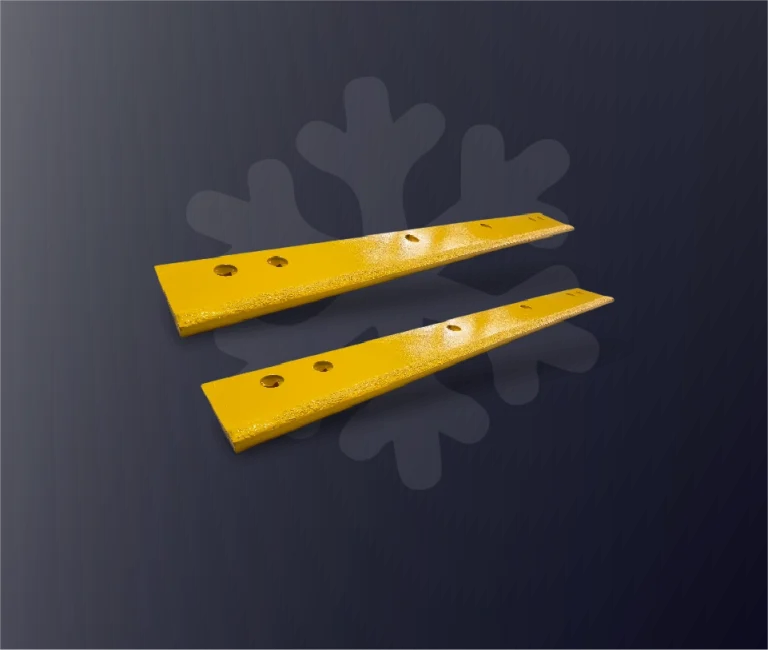
Advanced welding technology transforms road maintenance efficiency by bonding carbide inserts to steel blades with automated precision — extending blade life 2–3 times over steel, cutting fuel consumption by up to 12%, and reducing the 2–3 days of monthly downtime fleets lose to blade failures. Consistent automated welding removes the variability of manual on-site repairs.
(Last modified date: September 2, 2026)
Quick definition: According to the Federal Highway Administration, over 7,000 snowplow operators in the U.S.
Key Takeaways
- Automated sintering and welding deliver uniform insert bonding, preventing detachment under high stress.
- Carbide-integrated blades extend lifespan 2–3x versus traditional steel blades.
- Blade replacement costs exceed $150 million annually across North America; better welding cuts that spend.
- 68% of road maintenance crews cite blade failure as a top operational headache, per APWA.
How Is the Current Snow Plow Blade Industry Performing?
According to the Federal Highway Administration, over 7,000 snowplow operators in the U.S. handle more than 20 million lane miles annually. Blade replacement costs exceed $150 million annually across North America. Traditional steel blades wear unevenly, reducing plowing efficiency and increasing fuel consumption by up to 12%. Many municipalities report 2–3 days of downtime per month during peak winter from blade failures. An APWA survey found 68% of crews cite blade failure or poor wear resistance as a top operational headache. See how to sharpen quad ATV blade edges safely for maintenance context.
What Are the Limitations of Traditional Snow Plow Blade Solutions?
- Frequent replacement: average blade lifespan is 3–6 months under heavy use.
- Poor wear resistance: steel-only blades deteriorate rapidly on asphalt and concrete.
- Labor-intensive maintenance: on-site welding is inconsistent and costly.
- Inefficient material usage: hardfacing helps but can’t match carbide-integrated welding.
See how mechanics weld plow mounting brackets for the field side of welding.
How Does Advanced Welding Technology Enhance Snow Plow Blades?
SENTHAI’s welding technology integrates precision carbide inserts into steel plow blades using automated sintering and welding lines. Key capabilities include superior bonding strength — automated welding ensures inserts adhere uniformly, reducing detachment risk; wear resistance — carbide inserts extend lifespan 2–3 times versus steel; and consistency — every blade matches dimensional and bonding specs. See why municipalities prefer carbide blades for 24/7 operations.
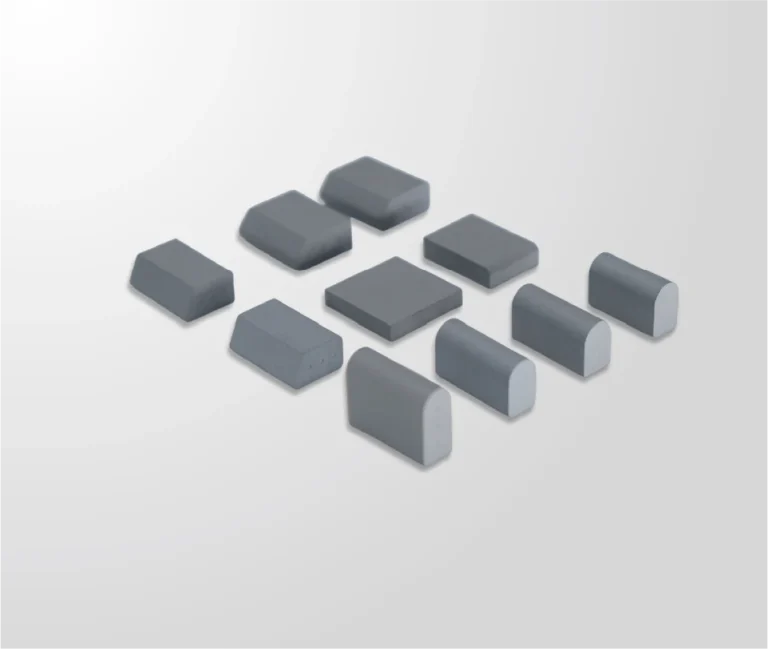
Which Advantages Do SENTHAI Blades Offer Compared to Traditional Blades?
| Aspect | Traditional Steel | SENTHAI Welded Carbide |
|---|---|---|
| Lifespan | 3–6 months | 2–3x longer |
| Bonding | Manual, variable | Automated, uniform |
| Fuel impact | +12% from dull edges | Consistent cutting |
| Downtime | 2–3 days/month | Reduced |
How Is the SENTHAI Welding Process Implemented Step by Step?
- Select the carbide grade and insert geometry for the application.
- Prepare the steel carrier with clean, consistent surfaces.
- Position inserts and control brazing temperature, filler, and pressure.
- Automated welding secures each insert with uniform bonding.
- Inspect bond integrity and dimensional tolerance before shipping.
Who Benefits from SENTHAI Welding Technology?
Municipalities cut downtime and overtime; contractors reduce blade spend and fuel; highway departments maintain single-pass clearing on packed ice; OEM buyers receive consistent, traceable assemblies. See how government snow plow blades improve winter safety.
What Are the Future Trends in Snow Plow Blade Welding Technology?
Expect robotic welding arms, in-line NDT of braze joints, and process-parameter logging for full traceability. Welding will move further toward closed-loop automation that adjusts temperature and filler in real time. See ISO 14001 environmental management for the certification context.
FAQs
How much longer do welded carbide blades last than steel?
Automated carbide-integrated welding extends blade lifespan 2–3 times versus traditional steel blades.
Why does welding quality matter so much?
Poor bonding causes insert detachment and uneven wear; automated welding ensures uniform adhesion and consistent performance.
Can existing steel blades be upgraded with carbide welding?
Some carriers can be re-tipped, but factory-welded assemblies deliver the most consistent bonding and geometry.
Does better welding reduce fuel costs?
Yes — a consistent sharp edge reduces passes and drag, cutting fuel consumption by up to 12%.
Related Articles
- Carbide Blades for 24/7 Municipal Operations
- Government Snow Plow Blades and Safety
- Welding Plow Mounting Brackets
- Sharpening Quad ATV Blade Edges
Official Resources
- SENTHAI — Carbide Snow Plow Blades
- SENTHAI — Replaceable Carbide Inserts
- SENTHAI — Contact for Welding Technology
References
- FHWA data on snowplow operators and lane miles, 2025.
- APWA survey on blade failure as a top operational headache.
- SENTHAI automated welding process documentation, 2026.
Related articles
 Best Snow Plow Blade Family for Your Fleet: Top 5 ScenariosKnowledge
 Top 10 Snow Plow Blade Types for Winter Fleets (Ranked by Duty Fit)Knowledge
 Top 5 Best Carbide Blade Configurations for Highway PlowingKnowledge
 Best Snow Plow Blade Materials Ranked: Steel vs Carbide vs Cladding vs Rubber-CarbideKnowledge