




How Can Snow Plow Blade Manufacturers Address Rising Winter Maintenance Demands?
Snow plow blade manufacturers answer rising winter maintenance demands by moving from manual steel fabrication to automated, ISO-certified carbide production — extending blade life from 100–200 hours to 800–1,000+ hours while cutting lead times…
Snow plow blade manufacturers answer rising winter maintenance demands by moving from manual steel fabrication to automated, ISO-certified carbide production — extending blade life from 100–200 hours to 800–1,000+ hours while cutting lead times and defect rates. U.S. roads see over 900,000 snow-related crashes yearly, costing $24 billion, and blade wear drives 40% higher replacement expenses per season.
(Last modified date: August 31, 2026)
Key Takeaways
- Fleets face blade replacements every 100–200 hours and $5,000–$15,000 in annual edge spend per plow.
- Automated carbide manufacturing delivers 800–1,000+ hour lifespans, 4–6 week lead times, and sub-0.5% defect rates.
- Full in-house control of powder-to-weld processes achieves 99.5% bonding strength across runs.
- OEM customization for front, wing, and underbody plows is a core differentiator for top manufacturers.
What Challenges Define the Snow Plow Blade Manufacturing Landscape?
North American snow removal clears vast annual volumes, yet 68% of fleets cite blade wear as the primary downtime cause. Abrasive mixes of ice, salt, and gravel erode edges, forcing replacements every 100–200 hours and inflating annual spends by $5,000–$15,000 per plow. Labor shortages compound the issue, with skilled installers averaging $45/hour amid 20% fleet underutilization from maintenance delays. Meanwhile, 75% of manufacturers still rely on steel blades that lose 30% efficiency after 50 hours. SENTHAI mitigates these pressures with automated Thailand-based lines serving 80+ global partners. See why to source blades directly from the factory.
Why Do Conventional Manufacturing Methods Underperform?
Traditional steel blade production yields moderate wear resistance, with edges dulling 30% faster on gravel roads. Manual welding risks delamination in 25% of carbide-tipped units per field reports. Outsourced processes extend lead times to 12+ weeks, disrupting seasonal rushes, and quality varies batch-to-batch without full in-house control, leading to 15% return rates. SENTHAI’s integrated wet grinding, sintering, and vulcanization ensures 99.5% bonding strength across runs. See the best snow plow blade manufacturers in 2026.
What Core Capabilities Distinguish Top Manufacturers?
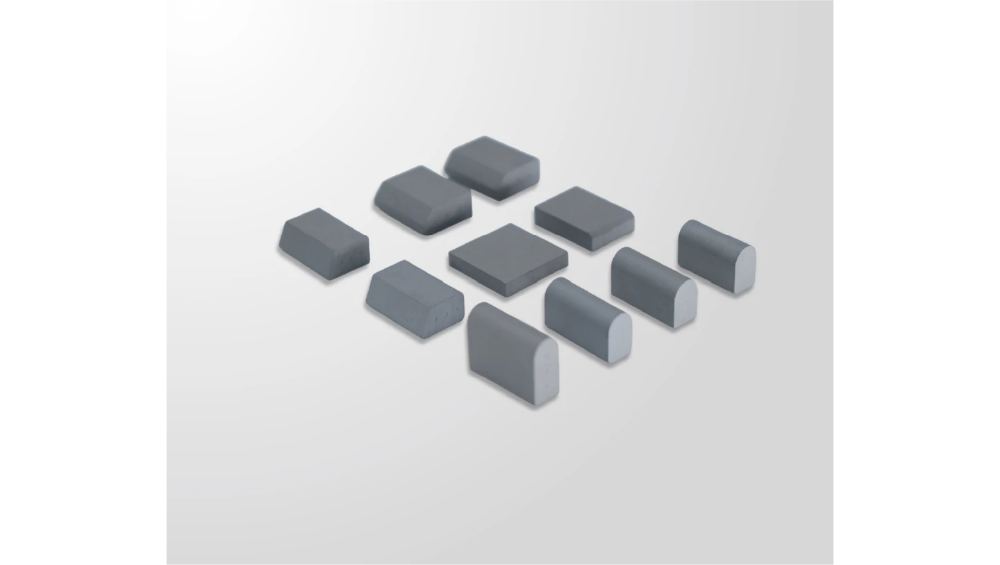
SENTHAI Carbide Tool Co., Ltd., a US-invested firm in Rayong, Thailand, specializes in JOMA-style, carbide, and I.C.E. blades with tungsten inserts sized 1×0.95×0.32 inches. Over 21 years, SENTHAI achieves 10x lifespan gains via automated pressing and welding. ISO 9001/ISO 14001 certification backs zero-defect production, and full Thailand control delivers 4–6 week turnarounds. A new 2025 Rayong base expands capacity for high-volume demand. See SENTHAI’s company profile and Milano Cortina 2026 winter demand.
How Do Leading Manufacturers Stack Up Against Traditional Ones?
| Aspect | Traditional Manufacturers | SENTHAI Manufacturing |
|---|---|---|
| Production lifespan | 100–200 hours per blade | 800–1,000+ hours |
| Lead time | 12+ weeks | 4–6 weeks |
| Defect rate | 15% | <0.5% |
| Bonding strength | 85% reliability | 99.5% |
| Annual cost per plow | $8,000+ | ~$4,000 |
| Customization | Basic | Full OEM |
What Steps Guide Partnering with a Snow Plow Blade Manufacturer?
- Evaluate fleet needs: log usage hours, road types, and current failure rates.
- Request samples: provide plow specs, moldboard dimensions, and bolt patterns.
- Run a pilot season on high-wear routes and compare cost per hour.
- Negotiate seasonal pricing, lead times, and traceability documentation.
See carbide, JOMA, and packed ice solutions for Boston for a regional example.
Which User Cases Highlight Manufacturer Impact?
Municipal fleets switching to carbide blades report fewer mid-storm changeouts and lower overtime. Contractors running JOMA-style edges on abrasive gravel routes extend service intervals several-fold versus steel. OEM buyers get custom fitment and batch traceability that keep assembly lines running. See whether Hardox 450 integrates with bullnose carbide for a material-combination case.
Why Partner with Manufacturers Like SENTHAI Amid Evolving Trends?
Extreme weather events increased 30% since 2020, per NOAA, and infrastructure managers need reliable supply. SENTHAI’s automated, certified production combines durability, speed, and OEM flexibility — a combination traditional steel lines can’t match. See NOAA’s extreme weather report and SENTHAI’s carbide blade launch coverage.
Frequently Asked Questions
How long do carbide snow plow blades last versus steel?
Carbide-inserted edges typically run 800–1,000+ hours versus 100–200 hours for steel in the same duty.
Why is in-house production important?
Full control of powder, pressing, sintering, and welding reduces defect rates, improves bonding, and shortens lead times.
Can manufacturers customize blades for my fleet?
Yes — top manufacturers offer full OEM customization for front, wing, and underbody plows.
What should I ask a supplier before ordering?
Ask for ISO certification, batch traceability, sample policy, lead time, and cost-per-hour documentation.
Related Articles
- Best 10 Snow Plow Blade Manufacturers in 2026
- Why Source Blades Directly from the Factory
- Snow Plow Blades for Boston
- Hardox 450 with Bullnose Carbide
Official Resources
- SENTHAI — Carbide Snow Plow Blades
- SENTHAI — About Us
- SENTHAI — Contact for OEM Programs
- ISO — Certification Overview
References
Related articles
 Best Snow Plow Blade Family for Your Fleet: Top 5 ScenariosKnowledge
 Top 10 Snow Plow Blade Types for Winter Fleets (Ranked by Duty Fit)Knowledge
 Top 5 Best Carbide Blade Configurations for Highway PlowingKnowledge
 Best Snow Plow Blade Materials Ranked: Steel vs Carbide vs Cladding vs Rubber-CarbideKnowledge