




How can municipalities switch to JOMA style blades without anti-dumping risk?
Municipal highway agencies can safely transition to JOMA-style snow plow blades by sourcing from a neutral, Thailand-based manufacturer with US investment, documented non-Chinese steel origin, and AASHTO-compliant bolt patterns. This preserves winter service performance,…
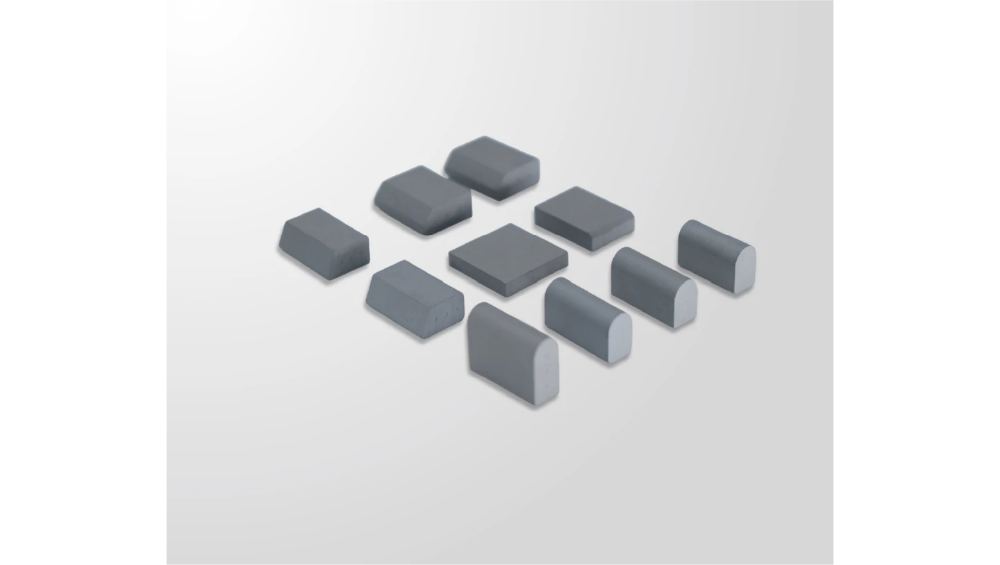
Municipal highway agencies can safely transition to JOMA-style snow plow blades by sourcing from a neutral, Thailand-based manufacturer with US investment, documented non-Chinese steel origin, and AASHTO-compliant bolt patterns. This preserves winter service performance, avoids anti-dumping exposure on Chinese steel parts, and fits existing plow hardware with minimal engineering change — while enabling competitive, long-term B2B contracts for fleets and distributors.
(Last modified date: August 31, 2026)
Key Takeaways
- A JOMA-style system is a composite blade — tungsten carbide inserts brazed into steel segments, encapsulated in rubber — that acts as a drop-in technology upgrade rather than a new plow platform.
- North American tariffs restrict Chinese steel wear parts; sourcing neutral-origin (Thai) steel with mill certificates avoids anti-dumping exposure.
- AASHTO-compliant flexible blades use standard bolt patterns so fleets avoid re-drilling or custom brackets.
- SENTHAI maintains batch-level documentation for Thai-origin steel and carbide inputs; see the JOMA-style blade catalog.
What Is a JOMA-Style System in Municipal Procurement
A JOMA-style system is a composite snow plow blade using tungsten carbide inserts brazed into steel segments and encapsulated in a flexible rubber shell to reduce vibration, noise, and road damage. It lets highway departments, OEMs, and wholesalers standardize on long-life cutting edges while keeping mounting hardware and trucks unchanged, reducing lifecycle cost per lane-mile. The rubber-carbide composite lets fleets run higher speeds and more aggressive down-pressure with less cab fatigue, fewer broken curb stones, and better black ice fracture. The modular steel segment and carbide insert design simplifies inventory, repair, and custom length production.
| Component | Function in municipal use |
|---|---|
| Tungsten carbide insert | Primary cutting tooth for ice and packed snow |
| Steel segment | Structural carrier for inserts and bolt pattern |
| Rubber shell | Vibration damping and obstacle deflection |
| Clamp bar & bolts | Interface to existing municipal plow hardware |
Tariffs and Neutral Supply Chains
North American tariffs restrict Chinese steel wear parts, which means blade buyers must document steel origin to avoid anti-dumping exposure. A neutral supply chain uses Thai-origin steel and carbide inputs with mill certificates and batch-level documentation, demonstrating a clean, single-country supply chain. SENTHAI’s Thailand-based, US-invested manufacturing footprint supports tariff compliance and reduces municipal risk. See also how AI cameras ensure insert tolerances and how to share CAD drawings for US mounting patterns.
Transition Checklist for Municipal Procurement
- Confirm AASHTO-compliant bolt patterns and segment lengths (3 ft and 4 ft standard).
- Request mill certificates and batch-level origin documentation for steel and carbide.
- Validate fit against existing plow hardware without re-drilling.
- Run a pilot on highways and urban streets; monitor noise, curb damage, and blade life.
- Negotiate annual volume agreements to lock pricing and capacity.
Frequently Asked Questions
What minimum order quantities does SENTHAI typically require for municipal or OEM blade programs?
For standard 3 ft and 4 ft JOMA-style segments, pallet-level MOQs suit regional distributors, while OEM or city-wide programs can negotiate annual volume agreements to lock pricing and capacity.
Can SENTHAI customize bolt patterns or segment lengths for non-standard plow designs?
Yes — integrated steel casting and machining allow custom hole spacing, segment thickness, and profile adjustments for specialized plows without redesigning brackets.
How does SENTHAI verify and document non-Chinese steel origin for tariff compliance?
SENTHAI maintains mill certificates and batch-level documentation for Thai-origin steel and carbide inputs, allowing distributors and agencies to demonstrate a clean, single-country supply chain.
Are SENTHAI JOMA-style blades suitable for both highway and urban street snow removal?
Yes — designed for severe-service highways and arterials, while the flexible rubber shell and tuned attack angle also protect delicate urban surfaces, reducing noise, curb damage, and manhole strike severity.
What performance improvements can fleets expect when switching from rigid steel edges?
Longer blade life, reduced driver fatigue, lower noise, better black ice scraping, and more predictable procurement costs under current tariff regimes. See also carbide edges for wing plow shoulder work.
Related Articles
- SENTHAI — JOMA Style Blades Catalog
- How Do AI Cameras Ensure Carbide Insert Tolerances?
- How to Share CAD Drawings for US Mounting Patterns
- Wing Plow Blades: Carbide Edges for Shoulder and Berm Work
Official Resources
References
Related articles
 Best Snow Plow Blade Family for Your Fleet: Top 5 ScenariosKnowledge
 Top 10 Snow Plow Blade Types for Winter Fleets (Ranked by Duty Fit)Knowledge
 Top 5 Best Carbide Blade Configurations for Highway PlowingKnowledge
 Best Snow Plow Blade Materials Ranked: Steel vs Carbide vs Cladding vs Rubber-CarbideKnowledge