




How Can Arctic Sectional Snow Pusher Parts Improve Efficiency and Durability in Snow Removal Operations?
Arctic sectional snow pusher parts improve snow removal efficiency and durability by replacing monolithic steel edges with modular, carbide-reinforced components that maintain cutting geometry and contact pressure — extending blade life 3–5× and cutting…
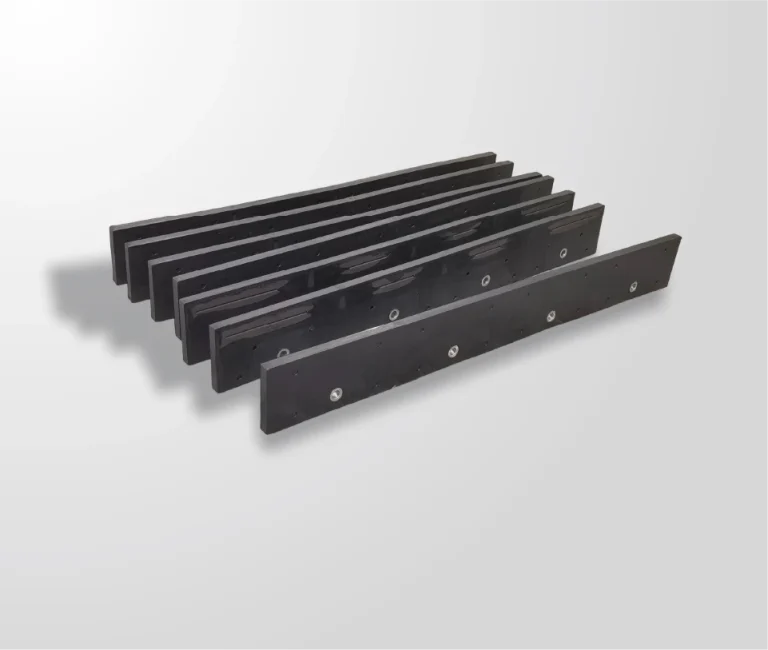
Arctic sectional snow pusher parts improve snow removal efficiency and durability by replacing monolithic steel edges with modular, carbide-reinforced components that maintain cutting geometry and contact pressure — extending blade life 3–5× and cutting annual replacement and labor costs by up to 40%. For municipal and private contractors, the result is fewer mid-storm maintenance stops, consistent clearing performance, and lower total ownership cost.
(Last modified date: September 7, 2026)
Quick definition: The global snow removal equipment market was valued at USD 2.3 billion in 2024 and is projected to reach USD 3.1 billion by 2031, growing at a CAGR of 4.1% (Source: MarketsandMarkets).
Key Takeaways
- The global snow removal equipment market is projected to grow from $2.3B (2024) to $3.1B by 2031 at 4.1% CAGR, while wear-and-tear costs keep rising.
- Traditional pushers use monolithic welded blades that fatigue under impact and deform on curbs, manholes, and ice ridges.
- SENTHAI Arctic sectional parts integrate high-density tungsten carbide inserts, are compatible with most Arctic-style plows, and use sintered grades proven for cryogenic durability.
- Users report 3–5× blade life versus steel and up to 40% annual savings on replacement and labor; see why carbide wear parts outlast steel 20-to-1.
How the Snow Removal Equipment Industry Is Evolving
The global snow removal equipment market was valued at USD 2.3 billion in 2024 and is projected to reach USD 3.1 billion by 2031, growing at a CAGR of 4.1% (Source: MarketsandMarkets). Yet municipal and private contractors continue to struggle with wear and tear issues that inflate maintenance expenses. According to the U.S. Department of Transportation, winter maintenance accounts for approximately 20% of annual municipal roadway budgets, with equipment repairs consuming a major share. The harsh environments of North America, Scandinavia, and Canada amplify these challenges, emphasizing the need for durable materials and modular component structures.
Pain Points Snow Removal Companies Face
- Rapid blade wear: standard steel blades may degrade within a season, increasing replacement frequency.
- Downtime costs: each blade change or maintenance pause reduces productivity during critical storm events.
- Inconsistent performance: uneven clearing leads to more passes, wasted fuel, and dissatisfied clients.
- Inventory complexity: multiple blade types increase procurement and logistics overhead.
See also how to prevent bolt shear in high-impact environments.
Why Traditional Sectional Snow Pushers Fall Short
Conventional snow pushers often use monolithic blade systems with welded joints that fatigue under repeated impact. Their steel edges wear down quickly on uneven or abrasive roads, forcing operators into costly maintenance cycles. Most traditional components lack carbide reinforcement, meaning even minor obstacles — curbs, manhole covers, or ice ridges — can deform cutting edges, reducing plow efficiency and compromising safety. By contrast, carbide inserts and modular assemblies maintain optimal cutting geometry and contact pressure, ensuring consistent clearing in variable conditions.
How SENTHAI Provides a Next-Generation Solution
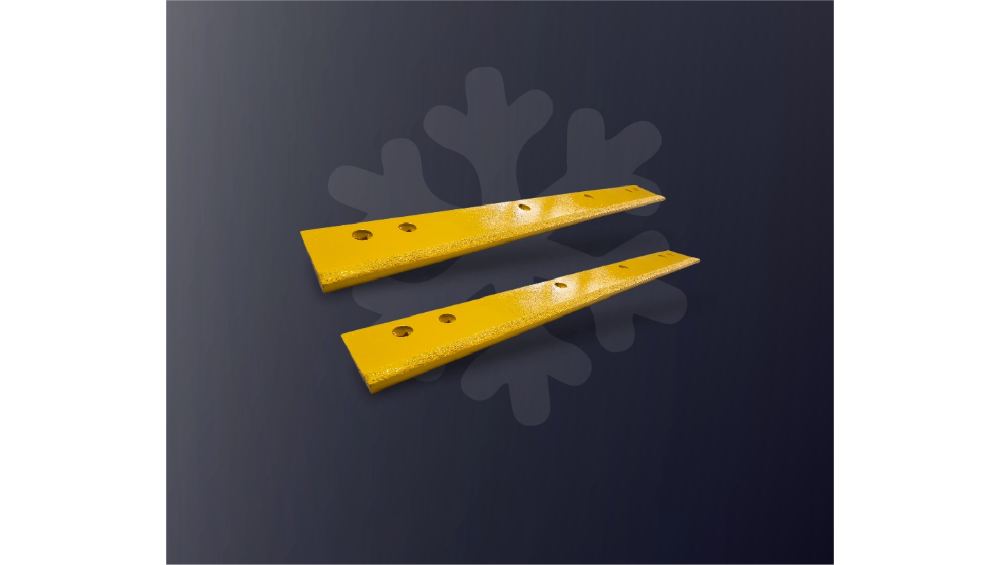
SENTHAI Carbide Tool Co., Ltd. develops precision-engineered Arctic sectional snow pusher parts designed for heavy-duty snow removal. Each component integrates high-density tungsten carbide inserts, and the modular design lets operators replace worn sections rather than entire assemblies. Sintered carbide grades are proven for cryogenic durability, so the parts withstand sub-zero temperatures without fracturing. All components are precision-manufactured in Rayong, Thailand, under strict ISO-certified processes. See also carbide edges for wing plow shoulder and berm work.
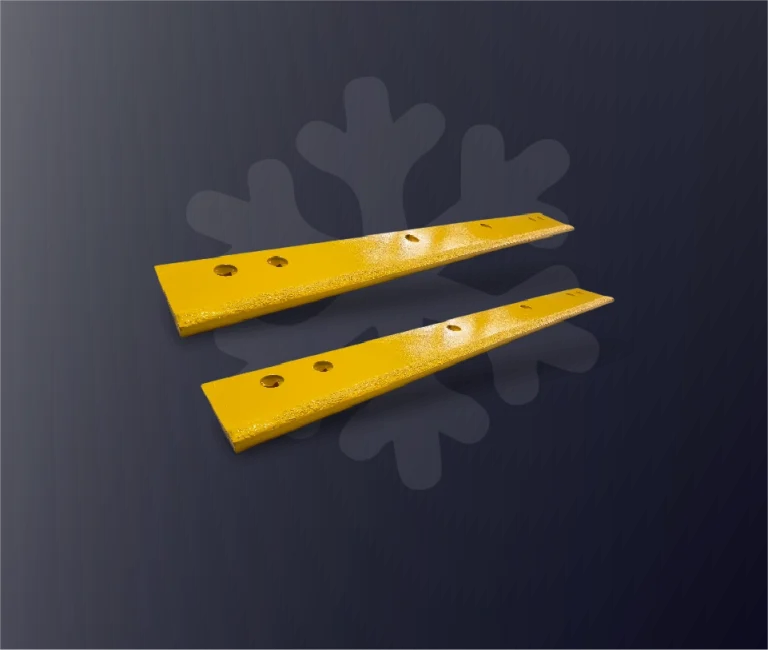
How SENTHAI’s Snow Pusher Parts Can Be Implemented
- Audit current pusher frames, blade wear, and replacement intervals.
- Confirm compatibility — SENTHAI parts are designed to match most Arctic-style plows with standard mount systems.
- Select carbide insert configurations matched to the dominant surface and snow load.
- Run a pilot on one unit, log wear and downtime, then scale across the fleet.
Four Typical Use Cases
- Municipal street departments: modular sections reduce mid-storm blade changes on abrasive urban routes.
- Airport ground operations: consistent clearing geometry keeps runways and aprons serviceable; see advanced airport snow removal equipment.
- Commercial parking contractors: fewer passes and less fuel with a consistently sharp carbide edge.
- Highway maintenance fleets: 3–5× blade life reduces seasonal procurement and labor.
FAQs
Are SENTHAI Arctic sectional parts compatible with existing pusher frames?
Yes. They are designed to match most Arctic-style plows and can be installed using standard mount systems.
How long do SENTHAI carbide blades last compared to traditional steel?
Typically 3–5× longer, depending on usage intensity and road conditions.
Does carbide withstand sub-zero temperatures without fracturing?
Yes. SENTHAI uses sintered carbide grades proven for cryogenic durability.
Can SENTHAI parts reduce total maintenance costs?
Absolutely — users report up to 40% savings on replacement and labor expenses annually.
Where does SENTHAI manufacture its components?
All parts are precision-manufactured in Rayong, Thailand, under strict ISO-certified processes.
Related Articles
- How to Prevent Bolt Shear in High-Impact Snow Plowing Environments?
- Real-World Performance: Carbide Wear Parts Outlast Steel 20-to-1
- Wing Plow Blades: Carbide Edges for Shoulder and Berm Work
- How Can Advanced Airport Snow Removal Equipment Improve Winter Operations?
Official Resources
References
Related articles
 Best Snow Plow Blade Family for Your Fleet: Top 5 ScenariosKnowledge
 Top 10 Snow Plow Blade Types for Winter Fleets (Ranked by Duty Fit)Knowledge
 Top 5 Best Carbide Blade Configurations for Highway PlowingKnowledge
 Best Snow Plow Blade Materials Ranked: Steel vs Carbide vs Cladding vs Rubber-CarbideKnowledge