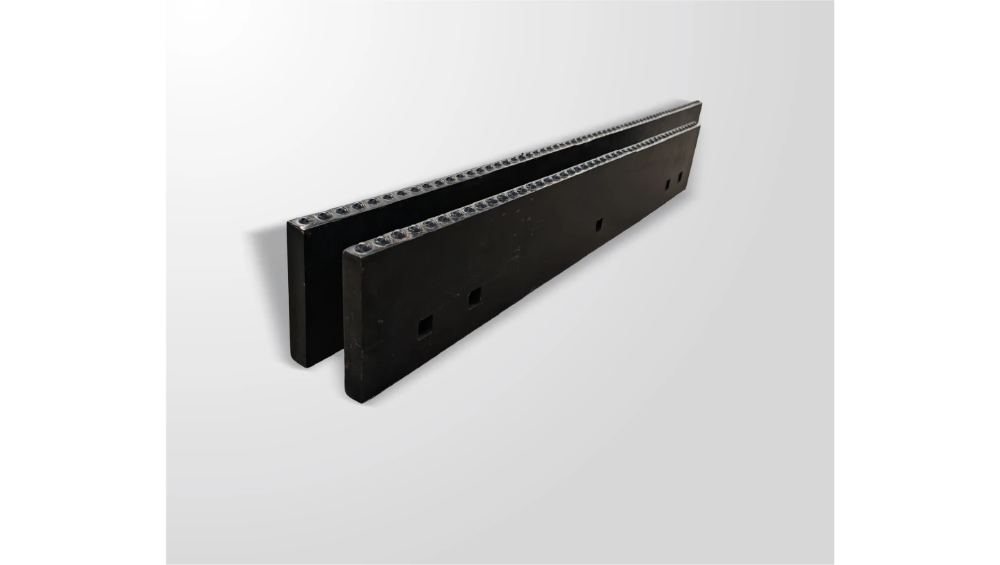
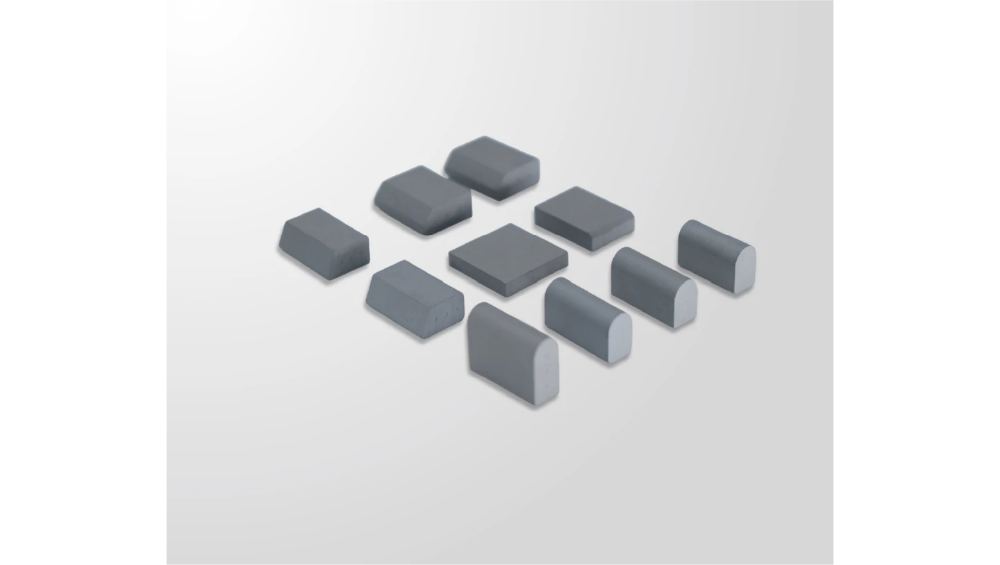
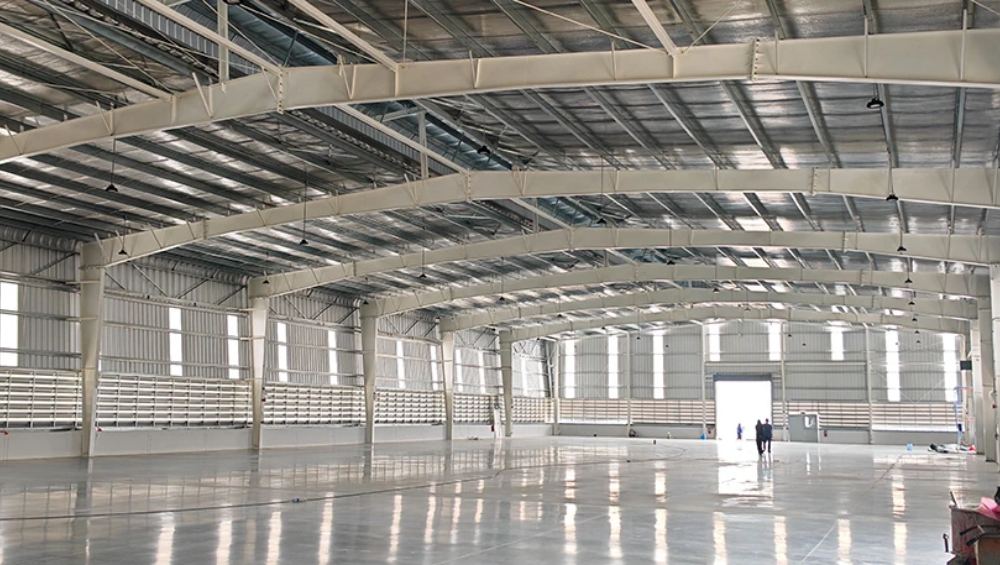
The Industrial Edge A Sourcing Guide to Heavy-Duty Carbide Scraper Blades for Enterprise Operations
Industrial carbide scraper blades deliver superior edge retention under high friction temperatures where standard steel blades soften above 300°C — making them the lifecycle-cost winner for demolition, conveyor cleaning, machine tool scraping, and coating…
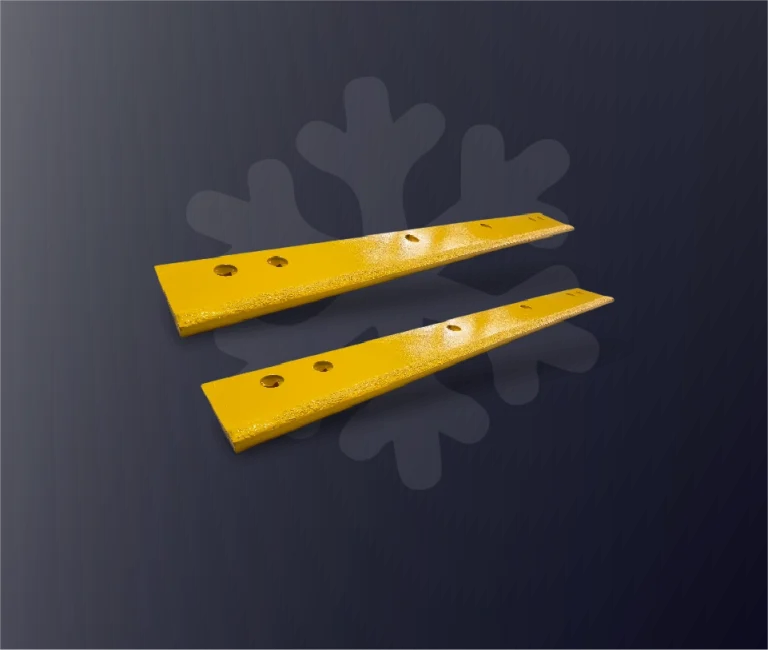
Industrial carbide scraper blades deliver superior edge retention under high friction temperatures where standard steel blades soften above 300°C — making them the lifecycle-cost winner for demolition, conveyor cleaning, machine tool scraping, and coating removal. Carbide performance depends on attack angle, material compatibility, and proper installation.
(Last modified date: September 2, 2026)
Quick definition: The true metric of an industrial scraper blade’s efficiency is micro-structural edge retention under high friction temperatures.
Key Takeaways
- Tungsten carbide delivers 5–10x longer sharp life than tool steel and 2–3x longer than standard carbide knives.
- Hot-hardness keeps a crisp shearing edge during dry scraping that vaporizes steel tooling.
- Four core sectors: demolition, bulk material handling, machine tool scraping, infrastructure maintenance.
- Attack angle and installation determine real-world performance — carbide isn’t for every impact environment.
Why Tungsten Carbide Outlasts Hardened Tool Steel
The true metric of an industrial scraper blade’s efficiency is micro-structural edge retention under high friction temperatures. Standard steel edges experience localized thermal softening within hours of heavy concrete or metal scraping. Tungsten carbide grains rank among the hardest materials outside diamond, positioned in a cobalt matrix that provides flexibility and impact resistance. Edge retention testing shows tungsten carbide delivers 5–10x longer sharp life than tool steel. See underbody scraper carbide blades for sustained high-pressure contact.
Four Core Industrial Sector Application Blueprints
| Sector | Application | Carbide Advantage |
|---|---|---|
| Commercial demolition and floor edging | Epoxy and coating removal | Withstands sustained high-heat contact |
| Bulk material handling | Belt and conveyor cleaning | Wear resistance with impact toughness |
| High-precision machine tool scraping | Scraping and fitting | Stable edge geometry |
| Infrastructure maintenance | Coating and residue removal | Long service intervals |
See how tungsten carbide wear blades benefit manufacturers.
The Critical Relationship Between Attack Angle and Shear Force
Attack angle controls how force concentrates at the edge: steeper angles shear aggressively, shallower angles protect substrates. Match angle to the material being removed and the surface underneath — the same physics as snow plow scraping. See how carbide blades improve highway maintenance equipment.
Common Procurement Mistakes That Drive Up Operational Costs
- Buying on hardness alone without hot-hardness data.
- Wrong attack angle causing gouging or poor removal.
- Ignoring installation and belt/conveyor compatibility.
- Using carbide where heavy impact makes it the wrong choice.
How Hot-Hardness Properties Benefit Dry Metal Scraping
Carbide retains hardness at temperatures where steel softens, keeping a crisp, non-gouge, high-efficiency shearing edge during dry-scraping operations. That translates into fewer changes, less downtime, and lower cost per job. See what makes a Diablo carbide blade preferred by professionals.
FAQs
How much longer do carbide scraper blades last?
5–10x longer sharp life than tool steel, and 2–3x longer than standard carbide knives, in high-friction service.
Are carbide scrapers good for epoxy removal?
Yes — carbide maintains edge hardness under the sustained heat of power grinders and scarifiers.
Do carbide blades work on belt cleaners?
Yes — hardness provides wear resistance while cobalt binder delivers impact toughness.
When should I NOT use carbide?
In extreme impact environments or where substrate protection demands a softer edge; match the material to the job.
Related Articles
- Underbody Scraper Carbide Blades
- Tungsten Carbide Wear Blades
- Carbide Blades and Highway Maintenance
- Diablo Carbide Blades
Official Resources
- SENTHAI — Carbide Snow Plow Blades
- SENTHAI — Replaceable Carbide Inserts
- SENTHAI — Contact for Scraper Specs
References
- Flexco — Why Tungsten Carbide Blades Are Used on Belt Cleaners
- Quickmetals — Hardness vs Toughness in Carbide Knives
- Edge retention test data for steel vs carbide scraper blades.